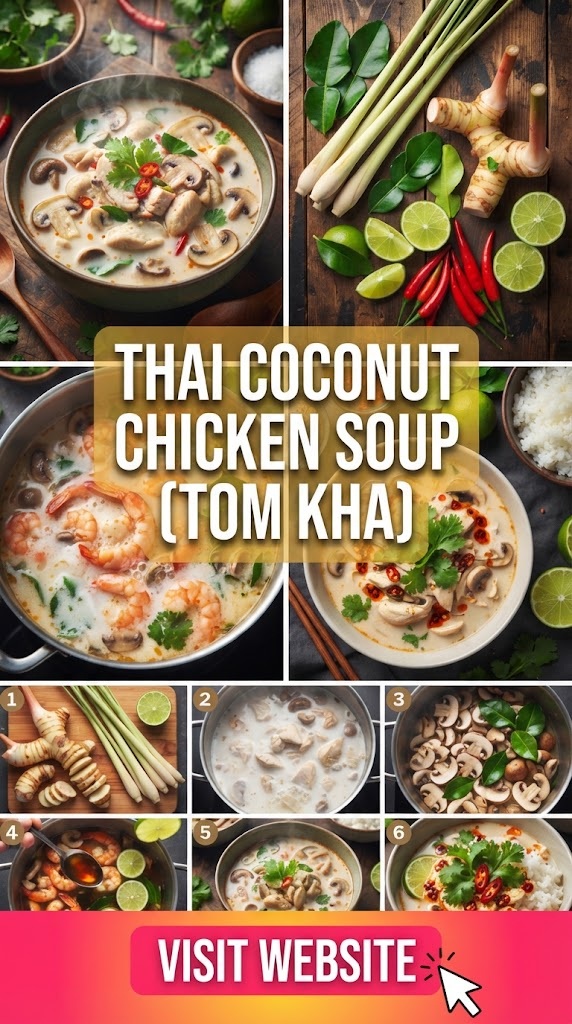
There is a specific kind of magic that happens when high-quality coconut milk meets the sharp, citrusy punch of lemongrass and the earthy, pine-like warmth of galangal. If you have ever sat in a dimly lit Thai restaurant, steam rising from a ceramic bowl, and felt your senses wake up with the first sip of Tom Kha Gai, you know exactly what I am talking about. Thai Coconut Chicken Soup is not merely a starter; it is a masterclass in culinary equilibrium. It manages to be rich and velvety while remaining light and refreshing—a paradox that few other dishes in the world can claim.
In the landscape of Southeast Asian cuisine, Tom Kha Gai stands as a pillar of comfort. While its cousin, Tom Yum, focuses on a clear, spicy, and sour profile, Tom Kha brings a luxurious silkiness to the table. This soup is designed to soothe the throat, warm the belly, and provide a complex layering of flavors that reveal themselves one by one: the initial creaminess, the following sour note of lime, the savory depth of fish sauce, and the subtle, lingering heat of bird’s eye chilies.
For the home cook, recreating this at an elite level requires more than just following a list of ingredients. It requires an understanding of the “aromatic trinity” of Thai cooking and the patience to let these woodier ingredients steep like tea. Today, we are going to dive deep into the mechanics of this soup, ensuring that your kitchen transforms into the best Thai bistro in town.
Decoding the Name: What is Tom Kha Gai?
To cook a dish well, you must first understand its DNA. The name “Tom Kha Gai” is quite literal. In Thai, Tom means “boiled” or refers to a soup. Kha refers to “galangal,” which is the undisputed star of this show. Gai means “chicken.”
While many people mistakenly assume this is just a “coconut soup,” the linguistic focus is actually on the galangal. Without galangal, you simply do not have Tom Kha. This rhizome is what provides that signature medicinal, floral, and citrusy backbone that distinguishes it from any other coconut-based curry or broth. Historically, this dish has evolved from a simple pottage to the refined, cream-topped delicacy we see today, largely influenced by the availability of high-fat coconut creams in central Thailand.
The Aromatic Trinity: The Soul of the Soup
Before you even turn on your stove, you must respect the three ingredients that define the fragrance of Thai Coconut Chicken Soup. These are often referred to as the “aromatics,” and in most traditional preparations, they are not actually meant to be eaten—they are there to infuse the liquid.
1. Galangal (The “Kha”)
Galangal looks like ginger’s tougher, paler cousin, but do not be fooled into thinking they are interchangeable. While ginger is pungent and spicy, galangal is citrusy, earthy, and has a distinct pine-like aroma. It is much harder than ginger, almost woody in texture. To get the most out of it, it must be sliced into thin rounds. If you absolutely cannot find it fresh or frozen, dried galangal is an option, but fresh is the gold standard for that “zing” that cuts through the coconut fat.
2. Lemongrass
Lemongrass provides the high notes of the soup. It brings a bright, lemony fragrance without the sharp acidity of citrus juice. When preparing lemongrass for Tom Kha, you use the bottom six inches of the stalk. You must “bruise” it—hitting it with the back of a knife or a meat mallet—to rupture the cells and release the essential oils before dropping it into the pot.
3. Makrut Lime Leaves (Kaffir Lime)
These double-lobed leaves are the secret weapon of Thai cuisine. They smell like the most intense lime perfume you can imagine. To use them, you tear them away from their central rib, which helps release their fragrance immediately upon hitting the hot broth. They provide a dark, floral citrus undertone that balances the sweetness of the coconut milk.
Essential Ingredients for an Authentic Result
To achieve a restaurant-quality Thai Coconut Chicken Soup, your grocery list needs to be specific. Here is what you will need to gather:
- Coconut Milk: This is not the time for the “light” version. You want full-fat, unsweetened coconut milk. If you can find a brand that comes in a paper carton (like Aroy-D or Chaokoh), these often have a higher fat content and fewer stabilizers than canned versions, leading to a smoother mouthfeel.
- Chicken Broth: Use a low-sodium, high-quality chicken stock as your base. This allows you to control the saltiness later when you add the fish sauce.
- Chicken: Boneless, skinless chicken thighs are the preferred choice here. They remain tender and juicy even if the soup simmers a bit longer. Chicken breast works too, but it can dry out quickly if you aren’t careful.
- Mushrooms: Traditionally, straw mushrooms are used, but they can be hard to find fresh in the U.S. Oyster mushrooms or sliced cremini (baby bellas) are excellent substitutes because they soak up the broth beautifully.
- Fish Sauce: This provides the “umami” and salt. A good quality fish sauce (like Red Boat or Three Crabs) is essential. It might smell strong on its own, but in the soup, it transforms into a savory backbone.
- Lime Juice: Always use fresh limes. Bottled lime juice has a metallic aftertaste that will ruin the delicate balance of the coconut.
- Thai Bird’s Eye Chilies: These provide the heat. If you like it mild, leave them whole and just “bruise” them. If you like it spicy, slice them thinly.
- Palm Sugar: This is a soft, caramel-like sugar that rounds out the flavors. If you can’t find it, light brown sugar is a suitable backup.
- Cilantro and Scallions: These are your fresh finishes, adding a pop of green and a fresh herbal note at the very end.
The Master Recipe: Step-by-Step Instructions
Step 1: Infusing the Base
In a large pot, combine 2 cups of chicken broth with your prepared aromatics: 2 stalks of bruised lemongrass (cut into 2-inch pieces), a 2-inch knob of galangal (sliced into thin rounds), and 4-5 torn makrut lime leaves. Bring this to a gentle simmer.
Pro Tip: Do not let the broth reach a rolling boil. A gentle simmer for about 5 to 7 minutes is all you need to extract the flavors. If you boil it too hard, the aromatics can become bitter.
Step 2: The Coconut Integration
Once the broth is fragrant, pour in 2 cans (about 28-30 oz) of full-fat coconut milk. Stir gently to combine. At this point, the kitchen should start smelling like a tropical paradise. Again, keep the heat at medium-low. If coconut milk boils too vigorously, it can “split,” meaning the oil separates from the solids. While this is actually desired in some Thai curries, for Tom Kha, we want a smooth, emulsified, creamy texture.
Step 3: Poaching the Chicken
Add your bite-sized pieces of chicken thigh to the simmering liquid. Because the pieces are small, they will cook quickly—usually within 5 to 8 minutes. By poaching the chicken directly in the coconut broth, the meat stays incredibly moist and absorbs the flavors of the galangal and lemongrass.
Step 4: Adding the Vegetables
Once the chicken is nearly opaque, add your mushrooms. If using oyster mushrooms, tear them into bite-sized strips. If using cremini, slice them thinly. Mushrooms act like little sponges, drinking up the aromatic broth. Let them cook for about 2-3 minutes until they are tender.
Step 5: The Balancing Act (Seasoning)
This is the most critical part of the process. Thai cooking is about the balance of four flavors: Salty, Sour, Sweet, and Spicy.
- Add 3 tablespoons of fish sauce (Salty/Umami).
- Add 1 tablespoon of palm sugar (Sweet).
- Add 2-3 bruised bird’s eye chilies (Spicy).
Stir these in and let them meld for a minute.
Step 6: The Final Touch
Turn off the heat entirely. Only after the heat is off should you add the lime juice (about 3-4 tablespoons, depending on your preference). Adding lime juice to a boiling pot can cause it to lose its brightness and turn slightly bitter. Stir in the lime juice, then taste.
How to Taste and Adjust Like a Professional Chef
When you taste your Tom Kha Gai, don’t just look for “good.” Look for the balance.
- Is it too rich? Add a splash more lime juice. The acid cuts through the coconut fat.
- Is it too sour? Add a pinch more palm sugar to mellow it out.
- Is it too bland? You likely need more fish sauce. Saltiness in Thai food often comes from fish sauce, which brings a depth that table salt cannot match.
- Is it too spicy? Add a bit more coconut milk or a touch more sugar to coat the tongue and dampen the heat.
The Science of Texture: Why Full-Fat Matters
In the world of modern dieting, it is tempting to reach for the “light” coconut milk. In the context of Tom Kha Gai, this is a mistake. The mouthfeel of this soup is one of its primary draws. Full-fat coconut milk contains natural emulsifiers and fats that carry the flavor of the aromatics to your taste buds.
When you use light coconut milk, the soup becomes watery, and the spices tend to feel “sharp” rather than integrated. If you are concerned about calories, it is better to eat a smaller portion of the authentic version than a large bowl of a thin, unsatisfying imitation. The fat also helps to encapsulate the capsaicin from the chilies, making the heat a pleasant “slow burn” rather than a stinging bite.
Kitchen Equipment Essentials
You don’t need a wok to make a world-class soup, but a few tools will make the process easier:
- A Heavy-Bottomed Pot: A Dutch oven or a heavy stainless steel pot distributes heat evenly, preventing the coconut milk from scorching at the bottom.
- A Sharp Chef’s Knife: Necessary for slicing through the very dense galangal and finely mincing the garnishes.
- A Meat Mallet or Heavy Object: To properly bruise the lemongrass. If you don’t have a mallet, the side of a heavy cleaver or even a rolling pin works perfectly.
- A Fine-Mesh Strainer (Optional): Some people prefer to strain out the lemongrass, galangal, and lime leaves before serving so their guests don’t have to navigate around them. However, in a traditional setting, they are left in the bowl as a sign of freshness and authenticity—just remind your diners not to eat the woody bits!
Common Mistakes to Avoid
- Substituting Ginger for Galangal: As mentioned, they are different species. If you can’t find galangal, you’re better off making a different soup or using a pre-made Tom Kha paste as a base. Ginger will make the soup taste “Chinese-style” rather than Thai.
- Overcooking the Chicken: Because the chicken is cut small, it cooks in minutes. If you leave it simmering for thirty minutes, it will become rubbery.
- Boiling the Lime Juice: We’ve said it once, but it bears repeating. Heat is the enemy of fresh lime flavor. Always add it at the very end with the heat off.
- Using Dried Herbs: While dried lime leaves are okay in a pinch, dried lemongrass is often flavorless. If you can’t find fresh, look for the frozen section of your local Asian grocer. Frozen aromatics retain about 90% of their original potency.
Dietary Variations and Substitutions
One of the reasons Thai Coconut Chicken Soup is so popular globally is its inherent adaptability to various dietary needs.
Vegan Tom Kha
To make this vegan, replace the chicken with extra-firm tofu or a mix of hearty vegetables like cauliflower and broccoli. The biggest challenge is the fish sauce. You can use a “vegan fish sauce” (usually made from fermented pineapple or soy) or simply use a high-quality light soy sauce combined with a little extra salt.
Keto and Paleo Friendly
This soup is naturally very low in carbohydrates, making it a dream for Keto practitioners. Simply omit the palm sugar or replace it with a keto-friendly sweetener like monk fruit. The healthy fats from the coconut milk make it incredibly satiating.
Seafood Version (Tom Kha Thale)
If you aren’t a fan of chicken, you can easily swap it for shrimp, scallops, or a firm white fish like halibut. Seafood cooks even faster than chicken, so add it at the very last minute—just long enough for the shrimp to turn pink and the fish to flake.
Serving Suggestions: Completing the Experience
Tom Kha Gai can be a standalone light lunch, but if you’re serving it for dinner, you might want to round it out.
- With Rice: In Thailand, it is common to serve the soup with a side of fragrant Jasmine rice. You can either spoon the soup over the rice or take a bite of rice and then a spoonful of broth. The rice acts as a neutral canvas for the intense flavors of the soup.
- As Part of a Multi-Course Meal: This soup pairs beautifully with a crunchy, acidic salad like Som Tum (Green Papaya Salad) or a savory stir-fry like Pad Krapow (Basil Chicken).
- Garnishing: Don’t skimp on the fresh herbs. A handful of cilantro, some sliced green onions, and a drizzle of chili oil (Nam Prik Pao) not only make the bowl look beautiful but add layers of freshness and toasted depth.
Storage and Reheating Tips
Can you save Tom Kha Gai for the next day? Absolutely. In fact, many people find that the flavors develop even further after a night in the fridge.
- Fridge: Store in an airtight container for up to 3 days.
- Reheating: Reheat gently over medium-low heat on the stove. Avoid the microwave if possible, as it can heat unevenly and cause the coconut milk to separate. Do not let it come to a violent boil while reheating.
- Freezing: This is a bit tricky. Coconut milk can change texture when frozen and thawed, sometimes becoming grainy. If you must freeze it, do so without the chicken and mushrooms. When you’re ready to eat, thaw the broth, whisk it vigorously while heating to re-emulsify the fats, and then add fresh chicken and veggies.
The Cultural Significance of the Dish
In Thai culture, food is a communal experience. A bowl of Tom Kha is rarely eaten alone; it sits in the center of the table, shared by family members. It represents the “Jai” or heart of Thai hospitality—warm, nourishing, and balanced. By making this at home, you aren’t just following a recipe; you’re participating in a culinary tradition that prizes harmony over everything else. The balance of the “Kha” (galangal) is a metaphor for life: it’s about finding the right proportions of sweet, sour, salty, and spicy to create something beautiful.
Troubleshooting Your Soup
“My soup looks curdled!” This usually happens if the coconut milk was boiled too hard or if the lime juice was added while the pot was still on high heat. It’s still perfectly safe to eat, but the texture will be less “velvet” and more “broken.” To fix it next time, keep the temperature lower.
“I can’t taste the lemongrass.” Make sure you are bruising the stalks thoroughly. You want to see the fibers breaking apart. If the stalks are very dry, you may need to use an extra one.
“The soup is too thin.” Did you use a lot of chicken broth? The ratio of coconut milk to broth should favor the coconut milk for a thick, rich soup. You can also simmer the broth and aromatics for a few extra minutes to reduce the liquid slightly before adding the coconut milk.
“It’s way too salty!” Fish sauce is potent. If you overdid it, add a little more water or broth and another squeeze of lime. A bit of extra sugar can also help mask the saltiness.
Advanced Flavor Profiles: Taking it to the Next Level
If you’ve mastered the basic recipe and want to add a “signature” twist, consider these additions:
- Roasted Chili Paste (Nam Prik Pao): Adding a tablespoon of this Thai staple into the broth gives it a beautiful orange hue and a smoky, sweet heat. It’s a common addition in many restaurants.
- Cherry Tomatoes: Some regions in Thailand add halved cherry tomatoes. They provide little bursts of acidity and a different textural element.
- Shallots: Slicing a few red shallots and letting them soften in the broth adds a subtle, savory sweetness that complements the palm sugar.
Frequently Asked Questions
Can I eat the lemongrass and galangal pieces? Technically, yes, but you won’t enjoy it. They are very fibrous and woody. Most people just push them to the side of the bowl. Think of them like bay leaves in a western stew—they are there for the flavor, not the consumption.
What is the best chicken to use? Chicken thighs are the most forgiving. If you use breast meat, make sure to slice it very thin against the grain and only cook it until it’s just done to keep it from getting “chalky.”
Can I use coconut cream instead of coconut milk? Coconut cream is much thicker and higher in fat. If you use it, you will likely need to increase the amount of chicken broth to ensure the soup isn’t too thick. It will produce an incredibly rich, dessert-like soup.
Where do I buy galangal and makrut lime leaves? Check your local Asian supermarket (H-Mart, 99 Ranch, or local Thai grocers). If you don’t have one nearby, many online retailers ship these fresh or frozen. They are worth the hunt!
Is Tom Kha Gai spicy? It is as spicy as you want it to be. The coconut milk naturally tempers the heat. If you remove the seeds from the chilies or leave them whole, the soup is very mild. If you chop them up, it can get quite fiery.
Can I use canned mushrooms? Canned straw mushrooms are a classic choice for this soup. Just be sure to drain and rinse them well before adding them to the pot to remove the “canned” taste.
How do I store leftover galangal? Galangal freezes beautifully. Wrap the unused portion tightly in plastic wrap and then put it in a freezer bag. You can slice it directly from frozen the next time you make the soup.
Why is my soup gray instead of white? This often happens if you use a dark chicken stock or a specific brand of fish sauce. To keep the soup a pristine, creamy white, use a light-colored chicken broth and a premium, light-colored fish sauce. Also, avoid using dark brown sugar; stick to palm sugar or white sugar.
Is this soup gluten-free? Naturally, yes! Just ensure that your fish sauce is certified gluten-free (most are, as they are just fish and salt, but some lower-quality brands may add wheat-based thickeners).
Can I make this in a Slow Cooker or Instant Pot? You can, but it’s not recommended. The beauty of Tom Kha is the freshness of the aromatics and the delicate nature of the coconut milk. Pressure cooking or slow cooking can cause the coconut milk to separate and the lime leaves to lose their bright fragrance. This soup is so fast to make on the stove (under 20 minutes) that the convenience of a slow cooker isn’t really necessary.
Conclusion
The journey to a perfect bowl of Thai Coconut Chicken Soup is one of the most rewarding endeavors a home cook can undertake. It is a dish that rewards your senses at every stage—from the fragrant steam rising from the pot to the complex, multi-layered finish on the palate. By focusing on the quality of your aromatics, respecting the delicate nature of coconut milk, and mastering the balance of the four pillars of Thai flavor, you can create a meal that rivals any restaurant.
This soup is more than just food; it’s a bowl of liquid sunshine. Whether you’re looking to cure a cold, impress dinner guests, or simply treat yourself to a luxurious night in, Tom Kha Gai is the answer. Grab your lemongrass, find your galangal, and get ready to experience one of the greatest flavor combinations in the culinary world. Enjoy every sip!
