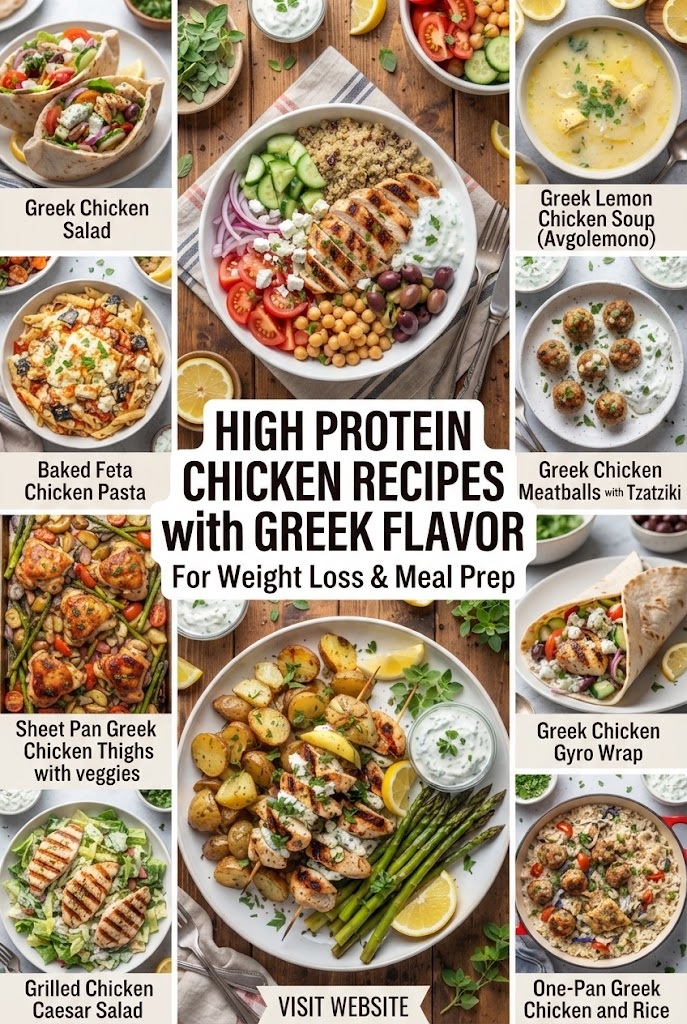
The Mediterranean diet has long been hailed as the gold standard of healthy eating. Among its many variations, Greek cuisine stands out for its bold flavors, fresh ingredients, and incredible balance of macronutrients. When you combine the lean, muscle-building power of chicken with the vibrant aromatics of Greece—lemon, oregano, garlic, and feta—you create a culinary powerhouse that makes weight loss feel like a luxury rather than a chore.
In this comprehensive guide, we will explore why Greek-flavored chicken is the ultimate tool for your fitness journey. We will provide five distinct, high-protein recipes, each broken down with structured ingredient lists and meticulous step-by-step instructions. Whether you are a seasoned meal prepper or a beginner looking to shed pounds without sacrificing flavor, this article is your roadmap to success.
The Science of Protein and Weight Loss: Why Greek Chicken?
Before diving into the recipes, it is essential to understand the “why” behind this dietary approach. High-protein diets are scientifically proven to aid in weight loss through several mechanisms:
- Satiety: Protein is the most satiating macronutrient. It reduces levels of the hunger hormone ghrelin while boosting levels of peptide YY, a hormone that makes you feel full.
- Thermic Effect of Food (TEF): Your body uses more energy to digest protein than it does to digest fats or carbohydrates. This means you are essentially burning more calories simply by eating protein.
- Muscle Preservation: When in a caloric deficit, the body tends to burn both fat and muscle. Consuming high amounts of protein helps preserve lean muscle mass, ensuring that the weight you lose is primarily fat.
Greek flavors enhance this process by using “high-impact, low-calorie” seasonings. Ingredients like lemon juice, red wine vinegar, and fresh herbs provide massive flavor profiles without the hidden sugars and fats found in many commercial sauces.
Recipe 1: Lemon-Garlic Roasted Chicken & Mediterranean Veggie Tray
This “one-pan wonder” is the backbone of efficient meal prep. By roasting everything together, the juices from the chicken infuse the vegetables with savory Greek goodness.
Ingredient Details (Form Shape)
| Ingredient | Quantity | Form / Preparation Shape |
|---|---|---|
| Chicken Breasts | 2 lbs | Large Cubes (1.5 inch) |
| Zucchini | 2 Medium | Half-moons |
| Red Bell Pepper | 2 Large | 1-inch Squares |
| Red Onion | 1 Large | Thick Wedges |
| Cherry Tomatoes | 1 Cup | Whole |
| Extra Virgin Olive Oil | 3 tbsp | Liquid (for drizzling) |
| Lemon Juice | 1/4 Cup | Freshly Squeezed |
| Garlic | 6 Cloves | Minced/Paste |
| Dried Oregano | 2 tbsp | Dried Flakes |
| Sea Salt | 1 tsp | Fine Grain |
| Black Pepper | 1 tsp | Cracked |
| Feta Cheese (Reduced Fat) | 1/2 Cup | Crumbled |
Step-by-Step Instructions
- Prepare the Marinade: In a large mixing bowl, whisk together the olive oil, lemon juice, minced garlic, oregano, salt, and pepper. This creates a potent Greek emulsion that will serve as both a marinade and a dressing for the vegetables.
- Marinate the Chicken: Toss the cubed chicken breasts into the bowl. Ensure every piece is thoroughly coated. For maximum flavor, let this sit in the refrigerator for at least 30 minutes, though 2 hours is ideal.
- Preheat and Prep the Tray: Preheat your oven to 400°F (200°C). Line a large sheet pan with parchment paper to prevent sticking and make cleanup easier.
- Combine Vegetables: Place the zucchini, bell peppers, red onion, and cherry tomatoes in a separate bowl. Drizzle with a small amount of olive oil and a pinch of oregano.
- Assemble the Pan: Spread the vegetables across the sheet pan in a single layer. Nestle the marinated chicken cubes in between the vegetable pieces. Do not crowd the pan; use two pans if necessary to ensure everything roasts rather than steams.
- The Roasting Process: Bake for 20-25 minutes. At the halfway mark, use a spatula to toss the ingredients gently.
- Final Touch: Once the chicken reaches an internal temperature of 165°F (74°C) and the vegetables are tender with charred edges, remove from the oven. Immediately sprinkle the crumbled feta over the hot tray so it softens slightly.
- Meal Prep Storage: Divide the mixture into four airtight containers. This meal stays fresh for up to 4 days in the refrigerator.
Recipe 2: Greek Souvlaki Chicken Skewers with High-Protein Tzatziki
Souvlaki is perhaps the most iconic Greek street food. Traditionally made with pork, our high-protein version uses chicken breast paired with a Greek yogurt-based tzatziki that adds extra protein without the calories of mayo-based sauces.
Ingredient Details (Form Shape)
| Ingredient | Quantity | Form / Preparation Shape |
|---|---|---|
| Chicken Breast | 1.5 lbs | Bite-sized Cubes |
| Lemon Zest | 1 tbsp | Fine Grate |
| Red Wine Vinegar | 2 tbsp | Liquid |
| Fresh Parsley | 1/4 Cup | Finely Chopped |
| Non-Fat Greek Yogurt | 2 Cups | Creamy Base (for Tzatziki) |
| Cucumber | 1 Large | Grated and Squeezed Dry |
| Fresh Dill | 2 tbsp | Minced |
| Wooden Skewers | 8-10 | Soaked in water |
| Garlic Powder | 1 tsp | Powder |
| Smoked Paprika | 1/2 tsp | Powder |
Step-by-Step Instructions
- The Souvlaki Marinade: In a zip-top bag, combine the chicken cubes with lemon zest, red wine vinegar, 1 tablespoon of olive oil, 1 tablespoon of oregano, and the smoked paprika. Seal and massage the bag to coat. Let it marinate for 1-4 hours.
- Prepare the High-Protein Tzatziki: This is the star of the dish. Take your grated cucumber and place it in a clean kitchen towel. Squeeze as much water out as possible. In a bowl, mix the dry cucumber with the Greek yogurt, minced dill, one clove of minced garlic, and a splash of lemon juice. Season with salt.
- Thread the Skewers: Take your soaked wooden skewers and thread 5-6 pieces of chicken onto each. Leave a little space between pieces to ensure even cooking.
- Grilling (or Pan-Searing): Heat a grill pan or outdoor grill to medium-high heat. Lightly oil the grates. Grill the skewers for 3-4 minutes per side (roughly 12 minutes total). You are looking for those beautiful dark grill marks and a juicy interior.
- Assembly: Serve two skewers with a generous dollop of the protein-packed tzatziki.
- Weight Loss Tip: Instead of serving with heavy pita bread, serve these skewers over a bed of shredded romaine lettuce or “cauliflower rice” to keep the carbohydrate count low while maximizing volume.
Recipe 3: Spinach and Feta Stuffed Greek Chicken Breasts
If you want a meal that looks like it came from a high-end bistro but fits perfectly into your macros, this is it. Stuffing the chicken ensures it stays moist even when reheated for meal prep.
Ingredient Details (Form Shape)
| Ingredient | Quantity | Form / Preparation Shape |
|---|---|---|
| Large Chicken Breasts | 4 Pieces | “Butterfly” cut or Pocket cut |
| Fresh Baby Spinach | 4 Cups | Wilted and Chopped |
| Feta Cheese | 1/2 Cup | Crumbled |
| Sun-dried Tomatoes | 1/4 Cup | Finely Chopped (No oil) |
| Garlic | 3 Cloves | Minced |
| Nutmeg | 1 Pinch | Ground |
| Toothpicks | 8-12 | For securing |
| Avocado Oil | 1 tbsp | High-heat cooking liquid |
Step-by-Step Instructions
- Prepare the Filling: In a non-stick skillet, sauté the spinach and minced garlic until the spinach is fully wilted. Transfer to a bowl and let it cool. Squeeze out any excess moisture. Mix in the crumbled feta, chopped sun-dried tomatoes, and a pinch of nutmeg.
- Prepare the Chicken: Lay the chicken breasts flat. Using a sharp knife, cut a pocket into the thickest part of the breast, being careful not to cut all the way through.
- The Stuffing Process: Evenly divide the spinach-feta mixture into the four chicken pockets. Use 2-3 toothpicks per breast to “sew” the opening shut, ensuring the filling stays inside during cooking.
- Seasoning: Rub the outside of the chicken with salt, pepper, and a bit of dried oregano.
- Searing: Heat avocado oil in an oven-safe skillet over medium-high heat. Sear the chicken for 3 minutes per side until golden brown.
- Baking: Transfer the entire skillet into a preheated oven at 375°F (190°C). Bake for 12-15 minutes.
- Resting: This is crucial. Let the chicken rest for 5 minutes before removing the toothpicks and slicing. This allows the juices to redistribute, ensuring every bite is succulent.
- Meal Prep: Slice the breasts into medallions and divide into containers with a side of steamed green beans or asparagus.
Recipe 4: Slow-Cooker Greek Pulled Chicken (For Salads and Bowls)
For the busy individual, the slow cooker is a lifesaver. This recipe creates “pulled” Greek chicken that is incredibly versatile and perfect for bulk meal prepping.
Ingredient Details (Form Shape)
| Ingredient | Quantity | Form / Preparation Shape |
|---|---|---|
| Chicken Thighs (Boneless) | 3 lbs | Whole |
| Chicken Broth (Low Sodium) | 1/2 Cup | Liquid |
| Red Wine Vinegar | 3 tbsp | Liquid |
| Dried Oregano | 2 tbsp | Dried |
| Garlic | 8 Cloves | Smashed |
| Kalamata Olives | 1/2 Cup | Sliced |
| Pepperoncini Peppers | 1/4 Cup | Sliced (Optional for kick) |
| Red Onion | 1 Medium | Thinly Sliced |
Step-by-Step Instructions
- Layering the Pot: Place the sliced red onions and smashed garlic at the bottom of the slow cooker. This creates a “rack” for the chicken and flavors the juices.
- Add Chicken: Place the chicken thighs on top of the onions. Thighs are used here because they remain tender during long cooking times, though you can use breasts if you prefer leaner meat.
- Liquid and Spice: Pour in the chicken broth and red wine vinegar. Sprinkle the oregano, salt, and pepper over the chicken. Scatter the olives and pepperoncini on top.
- The Slow Cook: Set the slow cooker to “Low” for 6-7 hours or “High” for 3-4 hours.
- Shredding: Once the chicken is falling apart, remove it from the pot and place it in a large bowl. Use two forks to shred the meat.
- The “Flavor Soak”: Pour about 1/2 cup of the cooking liquid from the slow cooker back over the shredded chicken. This ensures the meat remains flavorful and moist during storage.
- Usage: Use this chicken throughout the week in Greek salads, over quinoa, or even in low-carb lettuce wraps.
Recipe 5: Mediterranean Quinoa and Chicken Power Bowls
This is the ultimate meal prep assembly. It combines the protein of chicken with the plant-based protein and fiber of quinoa, keeping you full for hours.
Ingredient Details (Form Shape)
| Ingredient | Quantity | Form / Preparation Shape |
|---|---|---|
| Cooked Chicken Breast | 1.5 lbs | Shredded or Cubed |
| Cooked Quinoa | 3 Cups | Fluffed |
| Cucumber | 1 Large | Diced |
| Chickpeas (Canned) | 1 Can | Drained and Rinsed |
| Kalamata Olives | 1/4 Cup | Halved |
| Red Onion | 1/4 Cup | Finely Diced |
| Fresh Mint | 2 tbsp | Finely Chopped |
| Lemon Vinaigrette | 1/4 Cup | (Lemon juice, Olive oil, Dijon) |
Step-by-Step Instructions
- Grains First: Cook your quinoa according to package instructions (usually 1 part quinoa to 2 parts water). Let it cool completely. Cooling the grain prevents the vegetables from wilting when you assemble the bowls.
- The Chickpea Boost: To add texture and extra protein, you can roast the chickpeas in an air fryer for 10 minutes at 400°F with a dash of cumin, or simply use them plain for a softer texture.
- Assembly Line: Line up four large meal prep containers.
- Base Layer: Divide the quinoa evenly among the containers (about 3/4 cup per bowl).
- Protein Layer: Add 5-6 ounces of cooked Greek chicken to each bowl.
- Vegetable Medley: Add the diced cucumber, red onion, olives, and chickpeas in neat sections.
- The Dressing Secret: Do not pour the vinaigrette over the bowls if you aren’t eating them immediately. Instead, use small 1-ounce condiment cups to store the dressing separately. This prevents the salad from becoming soggy.
- Garnish: Top with fresh mint and a lemon wedge.
Mastering the Greek Meal Prep: Tips for Success
To successfully lose weight and maintain a meal prep routine, consistency and strategy are key. Here is how to maximize the efficiency of these Greek recipes:
1. The Art of the Marinade
Greek flavors rely heavily on acidity (lemon and vinegar). Acid not only adds flavor but also tenderizes the chicken. However, don’t leave chicken in a highly acidic marinade for more than 24 hours, or the texture can become “mushy.” The sweet spot is 2 to 6 hours.
2. Ingredient Swaps for Weight Loss
While feta cheese and olives are staples of Greek cuisine, they are calorie-dense.
- Feta: Use a “Fat-Free” or “Reduced-Fat” version to save 50-70 calories per serving.
- Olives: Stick to 5-6 olives per meal. They provide healthy fats, but they add up quickly.
- Grains: If you are on a very low-carb diet, swap the quinoa or rice for cauliflower rice sautéed with garlic and lemon.
3. Storage and Reheating
Chicken breast can dry out quickly when reheated in a microwave. To prevent this:
- Add a teaspoon of water or chicken broth to the container before microwaving.
- Cover the container with a damp paper towel.
- Reheat at 70% power rather than 100% to gently warm the meat.
4. Bulk Prepping Aromatics
Save time by prepping your “Greek Base” once a week. Mince a whole head of garlic, chop a large bunch of parsley and dill, and zest several lemons. Store these in small jars in the fridge. Having these ready to go reduces the “friction” of starting a recipe.
The Nutritional Profile: A Deep Dive
Let’s look at why these recipes are superior for weight loss. A typical serving of the Greek Lemon-Garlic Chicken with Veggies (Recipe 1) contains approximately:
- Calories: 350-400
- Protein: 45g
- Carbohydrates: 12g (mostly from fibrous vegetables)
- Fats: 14g (mostly heart-healthy monounsaturated fats from olive oil)
Compare this to a standard takeout “Greek Gyro” which can easily top 800 calories with 50g of carbohydrates from the pita and high-fat sauces. By controlling the ingredients and focusing on lean protein, you are cutting the calories in half while keeping the protein high.
Flavor Variations to Keep it Interesting
Eating the same thing every day is the fastest way to fail a diet. Use these “Greek-adjacent” tweaks to change the flavor profile of your meal prep chicken:
- The “Cyprus” Twist: Add a pinch of ground cinnamon and allspice to your chicken marinade. This adds a warm, earthy depth common in Eastern Mediterranean cooking.
- The “Spicy Spartan”: Add crushed red pepper flakes or chopped fresh chilies to the garlic and lemon marinade.
- The “Creamy Herb”: Mix your tzatziki with a bit of mashed avocado. It creates a “Greek Guacamole” that is rich in potassium and healthy fats.
Why “Form Shape” Matters in Cooking
In the ingredient tables above, I specified the “shape” of the ingredients (e.g., “half-moons,” “1-inch squares”). This is not just for aesthetics.
- Uniformity: Cutting chicken and vegetables into uniform shapes ensures they cook at the same rate. Nothing is worse than a tray of roasted veggies where the peppers are burnt and the onions are raw.
- Surface Area: Cubing chicken (as in the Souvlaki recipe) increases the surface area. More surface area means more room for the marinade to penetrate, resulting in a more flavorful bite every time.
- Texture: Grating the cucumber for the tzatziki creates a different mouthfeel than dicing it. The “shape” of your ingredients dictates the final texture of the dish.
Overcoming the “Weight Loss Plateau” with High-Protein Greek Eating
If you have been dieting for a while and your weight loss has stalled, these recipes can help “reset” your progress. Often, plateaus happen because of “hidden calories” or a decrease in metabolic rate.
- High Protein Leverage: By increasing your protein intake through these recipes (aiming for 1.2g to 1.5g of protein per pound of body weight), you can trigger “diet-induced thermogenesis.”
- Fiber and Volume: Greek cooking relies on high-volume, low-calorie vegetables. Filling your plate with zucchini, peppers, and cucumbers allows you to eat a large volume of food, tricking your brain into feeling satisfied while staying under your calorie goal.
- Micronutrient Density: Weight loss is easier when your body isn’t starving for nutrients. The vitamins in lemon (Vitamin C), spinach (Iron/Folate), and garlic (Allicin) support metabolic health and energy levels.
Conclusion: Embracing the Greek Lifestyle
Weight loss and meal prep should not be a punishment. By embracing the flavors of Greece—the zing of citrus, the pungency of garlic, and the freshness of herbs—you transform your “diet food” into a culinary experience.
The five recipes provided here offer variety, convenience, and a powerful nutritional profile. By focusing on high-protein chicken as your foundation and using smart meal prep techniques, you are setting yourself up for long-term success. Remember, the best diet is the one you can stick to, and it is very easy to stick to a diet that tastes this good.
Start your journey today. Pick one recipe, prep it for the next three days, and feel the difference that high-quality, Greek-inspired protein can make in your life. To your health and your palate—Opa!
