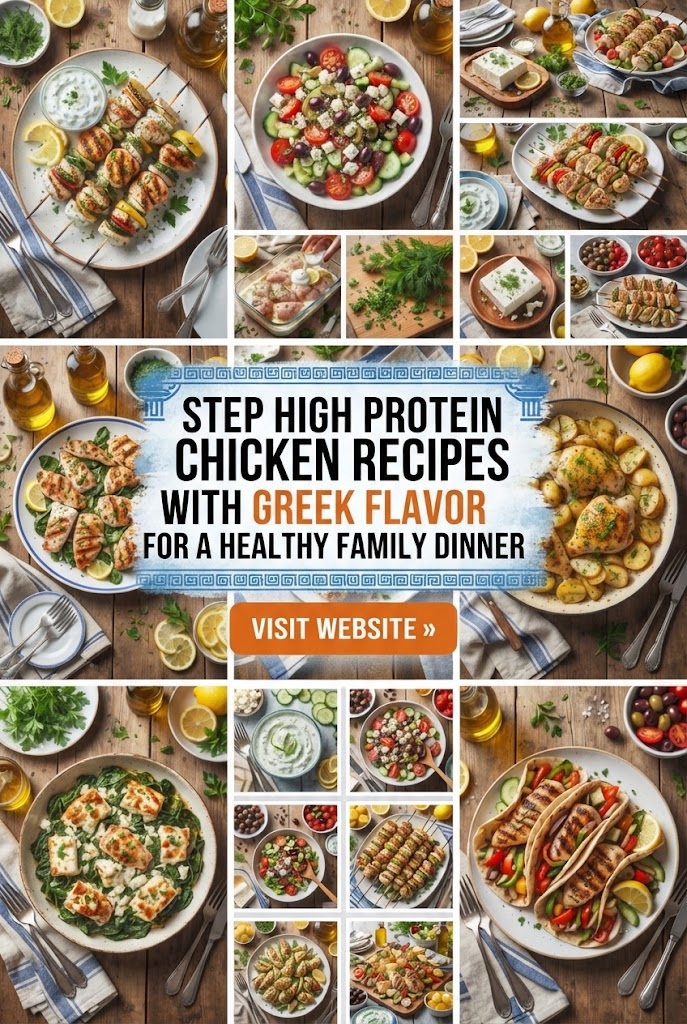
The Mediterranean diet has long been hailed as the gold standard for longevity and heart health. At the heart of this culinary tradition lies Greek cuisine—a vibrant tapestry of fresh herbs, acidic citrus, rich olive oils, and lean proteins. For the modern family, finding a balance between “nutritious” and “delicious” can be a daily struggle. However, high-protein Greek chicken recipes offer a solution that satisfies the palate while fueling the body.
In this comprehensive guide, we will explore the science of Greek flavors, the nutritional benefits of high-protein meals, and provide a collection of master-class recipes designed for the busy home cook. Each recipe is structured to ensure maximum protein intake with minimal processed ingredients.
Why Greek Flavors and High Protein Go Hand-in-Hand
Greek cooking relies on the “Holy Trinity” of the Mediterranean: lemon, garlic, and oregano. When these are paired with chicken breast or thighs, magic happens. Chicken is an incredibly efficient protein source, providing roughly 31 grams of protein per 100 grams. By utilizing Greek techniques like yogurt-based marination, the meat becomes exceptionally tender, making it easier for children to eat and more satisfying for adults.
High-protein diets are essential for:
- Muscle Repair and Growth: Crucial for growing children and active adults.
- Satiety: Protein triggers the release of hormones that tell your brain you are full, preventing late-night snacking.
- Metabolic Health: Protein has a higher thermic effect than fats or carbs, meaning your body burns more calories just digesting it.
The Master Greek Marinade: The Foundation of Every Dish
Before diving into specific recipes, one must understand the marinade. In Greek cooking, the marinade isn’t just for flavor; it’s a chemical process that tenderizes the chicken fibers.
Ingredient Details in Form Shape
| Ingredient | Quantity | Purpose |
|---|---|---|
| Extra Virgin Olive Oil | 1/2 Cup | Provides healthy fats and carries fat-soluble flavors. |
| Fresh Lemon Juice | 1/4 Cup | Acids break down tough proteins and brighten the dish. |
| Dried Oregano | 2 tbsp | The quintessential Greek herb; provides earthy notes. |
| Fresh Garlic | 5 Cloves (minced) | Adds depth and pungent aromatic qualities. |
| Greek Yogurt (Full Fat) | 1/2 Cup | Lactic acid tenderizes meat while creating a crust. |
| Sea Salt | 1 tsp | Enhances all other flavors. |
| Black Pepper | 1/2 tsp | Adds a subtle heat. |
Recipe 1: The Ultimate Greek Chicken Souvlaki with Homemade Tzatziki
Souvlaki is the quintessential Greek street food. Traditionally served on skewers, this high-protein version focuses on lean chicken breast and a protein-packed yogurt dip.
Ingredient Details in Form Shape (Souvlaki & Tzatziki)
| Category | Ingredient | Amount |
|---|---|---|
| Protein | Boneless, Skinless Chicken Breast | 2 lbs (cut into 1-inch cubes) |
| Marinade | Red Wine Vinegar | 2 tbsp |
| Marinade | Dried Thyme | 1 tsp |
| Marinade | Smoked Paprika | 1/2 tsp |
| Tzatziki | Greek Yogurt (Plain/Unsweetened) | 2 Cups |
| Tzatziki | English Cucumber | 1 Large (grated and squeezed dry) |
| Tzatziki | Fresh Dill | 3 tbsp (chopped) |
| Tzatziki | Lemon Zest | 1 tbsp |
Recipe Detail Step-by-Step
Step 1: The Marination Process In a large glass bowl, whisk together the olive oil, lemon juice, red wine vinegar, garlic, oregano, thyme, and paprika. Add the cubed chicken breast. Ensure every piece is thoroughly coated. Cover and refrigerate for at least 2 hours, though 6 hours is ideal for maximum protein tenderization.
Step 2: Preparing the Tzatziki While the chicken marinates, prepare the sauce. Grate the cucumber and place it in a cheesecloth or a fine-mesh strainer. Squeeze out as much liquid as possible—this is the secret to a thick, creamy sauce. Mix the cucumber with the Greek yogurt, dill, garlic, and lemon zest. Season with salt and let it sit in the fridge to allow flavors to meld.
Step 3: Skewering If using wooden skewers, soak them in water for 30 minutes to prevent burning. Thread the marinated chicken onto the skewers, leaving a tiny bit of space between pieces to ensure even cooking.
Step 4: The Grilling Heat a grill or a cast-iron griddle pan to medium-high heat. Lightly oil the grates. Grill the skewers for 3-4 minutes per side, or until the internal temperature reaches 165°F (74°C). The yogurt in the marinade will create a beautiful, charred crust.
Step 5: Serving Serve the skewers over a bed of spinach or with toasted whole-wheat pita bread. Top generously with the Tzatziki sauce for an extra protein boost.
Recipe 2: Sheet-Pan Mediterranean Chicken & Roasted Vegetables
For the busy family, the “Sheet-Pan” method is a lifesaver. It minimizes cleanup while maximizing the infusion of flavors between the meat and the vegetables.
Ingredient Details in Form Shape
| Component | Ingredient | Quantity |
|---|---|---|
| Protein | Chicken Thighs (Bone-in, Skin-on) | 6-8 pieces |
| Vegetables | Red Bell Peppers | 2 (sliced) |
| Vegetables | Zucchini | 2 Large (thick rounds) |
| Vegetables | Red Onion | 1 Large (wedges) |
| Flavor | Kalamata Olives | 1/2 Cup (pitted) |
| Flavor | Feta Cheese | 1/2 Cup (crumbled) |
| Aromatics | Fresh Rosemary | 3 sprigs |
| Fat | Avocado Oil or Olive Oil | 3 tbsp |
Recipe Detail Step-by-Step
Step 1: Oven Preparation Preheat your oven to 425°F (220°C). High heat is necessary to crisp the chicken skin while keeping the meat juicy.
Step 2: Seasoning the Chicken Pat the chicken thighs bone-dry with paper towels. Rub them with olive oil, salt, pepper, and dried oregano. Placing the seasoning under the skin is a professional tip that ensures the meat itself is flavored.
Step 3: Preparing the Veggie Bed On a large rimmed baking sheet, toss the peppers, zucchini, and red onion with oil and a pinch of salt. Spread them out in a single layer.
Step 4: The Roast Nestle the chicken thighs among the vegetables. Place the rosemary sprigs on top. Roast for 25-30 minutes.
Step 5: The Final Touch Remove the pan from the oven. Sprinkle the Kalamata olives and the crumbled Feta cheese over the hot chicken and vegetables. Return to the oven for another 5 minutes. The feta will soften but not melt completely, creating a creamy, salty contrast to the roasted veg.
Step 6: Resting Let the chicken rest for 5 minutes before serving. This allows the juices to redistribute, ensuring a high-protein meal that isn’t dry.
Recipe 3: Creamy Greek Yogurt Garlic Chicken (One-Pot)
This recipe is a high-protein alternative to traditional “Creamy Garlic Chicken.” By using Greek yogurt instead of heavy cream, you slash the fat content and double the protein.
Ingredient Details in Form Shape
| Ingredient | Amount | Function |
|---|---|---|
| Chicken Breast Cutlets | 1.5 lbs | Lean protein base. |
| Non-Fat Greek Yogurt | 1.5 Cups | High-protein “cream” substitute. |
| Chicken Bone Broth | 1/2 Cup | Adds collagen and depth. |
| Fresh Spinach | 3 Cups (packed) | Micronutrient boost (Iron/Vitamin K). |
| Garlic Powder | 1 tbsp | Consistent garlic flavor throughout sauce. |
| Sun-dried Tomatoes | 1/4 Cup (chopped) | Intense sweet-tart flavor profile. |
| Parmesan Cheese | 1/4 Cup (grated) | Umami and binding agent. |
Recipe Detail Step-by-Step
Step 1: Searing the Protein Season the chicken cutlets with salt and pepper. In a large skillet over medium heat, brown the chicken for 3-4 minutes per side. Remove the chicken from the pan and set aside.
Step 2: Deglazing Pour the chicken bone broth into the hot skillet, scraping the bottom to release the “fond” (the brown bits). This is where the flavor lives.
Step 3: Creating the High-Protein Sauce Lower the heat to low. This is crucial: Greek yogurt will curdle if boiled. Whisk the Greek yogurt, garlic powder, and Parmesan cheese into the broth until smooth.
Step 4: Combining Add the sun-dried tomatoes and fresh spinach to the sauce. Stir until the spinach begins to wilt.
Step 5: Finishing Place the chicken cutlets back into the skillet. Spoon the sauce over the meat. Cover and simmer on low for 5-7 minutes until the chicken is cooked through and the sauce has thickened slightly.
Recipe 4: Greek Chicken Lemonato with Orzo
A comforting, one-pot meal that mimics the flavors of traditional Greek Avgolemono soup but in a more substantial dinner format.
Ingredient Details in Form Shape
| Ingredient | Quantity | Note |
|---|---|---|
| Diced Chicken Breast | 1.5 lbs | High-protein, quick-cooking. |
| Whole Wheat Orzo | 1.5 Cups | Complex carb for energy. |
| Chicken Stock | 3 Cups | Use low-sodium to control salt. |
| Fresh Lemon Juice | 3 tbsp | High acidity for balance. |
| Egg Yolks | 2 Large | For richness and extra protein. |
| Fresh Parsley | 1/2 Cup | Chopped for garnish and freshness. |
| Frozen Peas | 1/2 Cup | For color and fiber. |
Recipe Detail Step-by-Step
Step 1: Sautéing In a heavy-bottomed pot (like a Dutch oven), sauté the chicken pieces in olive oil until golden. Remove and set aside.
Step 2: Toasting the Orzo In the same pot, add the dry orzo. Stir it for 2 minutes until it smells slightly nutty and turns golden brown.
Step 3: Simmering Add the chicken stock and bring to a boil. Reduce heat, return the chicken to the pot, and cover. Simmer for 10-12 minutes until the orzo has absorbed most of the liquid.
Step 4: The Tempering (The Secret Step) In a small bowl, whisk the lemon juice and egg yolks together. Slowly add a ladle of the hot liquid from the pot into the egg mixture while whisking constantly. This “tempers” the eggs so they don’t scramble.
Step 5: Finishing the Lemonato Pour the tempered egg mixture back into the pot. Stir in the peas. The sauce will instantly turn creamy and velvet-like. Garnish with plenty of fresh parsley.
The Nutritional Science of Greek Ingredients
To truly appreciate these recipes, one must understand why these specific ingredients are chosen for a healthy family dinner.
1. The Power of Greek Yogurt
Unlike regular yogurt, Greek yogurt is strained to remove the liquid whey. This results in a thicker consistency and significantly higher protein content. It is also rich in probiotics, which support gut health—a vital component of a family’s overall wellness. In these recipes, it serves as a marinade, a sauce base, and a dip.
2. Extra Virgin Olive Oil (EVOO)
EVOO is rich in monounsaturated fatty acids, particularly oleic acid. It provides the “healthy fats” that help the body absorb the vitamins found in the vegetables (like the Vitamin K in spinach or the Lycopene in tomatoes).
3. Allium Family: Garlic and Onions
Garlic contains allicin, a compound known for its immune-boosting properties. In Greek cooking, garlic is used liberally, providing a robust flavor profile that reduces the need for excessive salt.
4. Feta Cheese: The Healthy Cheese
Feta is often lower in calories and fat than many other cheeses. It is also a good source of B vitamins, phosphorus, and calcium. Because it has such a strong flavor, you can use less of it while still achieving a satisfying taste.
Meal Prepping Greek Chicken for the Week
Efficiency is key for family dinners. These high-protein Greek recipes are perfect for meal prepping.
The “Batch-Cook” Strategy
- Marinade Monday: Make a triple batch of the Master Greek Marinade. It keeps in the fridge for 5 days.
- The Big Roast: Cook 4 lbs of chicken at once. Half can be used for the Sheet-Pan dinner, and the other half can be sliced for cold “Greek Power Bowls” later in the week.
- Veggie Prep: Slice all your peppers, onions, and zucchinis on Sunday. Store them in airtight containers.
Storage and Reheating
Chicken can become rubbery if reheated improperly. The best way to reheat these Greek dishes is in a covered skillet with a splash of water or broth. This creates steam that keeps the protein tender.
Customizing Recipes for Selective Eaters (The “Kids” Factor)
While Greek flavors are generally kid-friendly, some children might be wary of “green bits” (herbs) or “tangy sauces.”
- For the Herb-Wary: Use garlic powder and onion powder instead of fresh herbs in the marinade to keep the texture smooth.
- Deconstructed Bowls: For kids who don’t like their food touching, serve the Greek Chicken Power Bowl components (chicken, rice/quinoa, cucumber, feta) in separate sections of a plate.
- Dip It: Kids love dipping. Serve the chicken with a side of hummus or a milder version of Tzatziki (less garlic, more yogurt).
Advanced Cooking Techniques: Mastering the Char
To get that restaurant-quality Greek chicken at home, you need to master the “Maillard Reaction.” This is the chemical reaction between amino acids and reducing sugars that gives browned food its distinctive flavor.
- Dry the Meat: Before marinating (if not using a yogurt base), pat the chicken dry. Moisture is the enemy of a good sear.
- Don’t Overcrowd: Whether in a pan or on a sheet, give the chicken space. Overcrowding causes the meat to steam in its own juices rather than sear.
- High Heat, Short Time: Chicken breast cooks quickly. Use high heat to get the color on the outside while the inside remains moist.
Recipe 5: Greek Chicken Power Bowls (The Ultimate Lunch/Dinner Hybrid)
This recipe focuses on balance: high protein, healthy fats, and slow-digesting carbohydrates.
Ingredient Details in Form Shape
| Component | Ingredient | Quantity |
|---|---|---|
| Base | Cooked Quinoa or Farro | 3 Cups |
| Protein | Lemon-Oregano Grilled Chicken Breast | 1.5 lbs |
| Crunch | Pickled Red Onions | 1/2 Cup |
| Fat | Sliced Avocado | 1 Large |
| Vegetable | Cherry Tomatoes (halved) | 1 Cup |
| Dressing | Tahini-Lemon Drizzle | 1/4 Cup |
| Extra Protein | Hard-Boiled Eggs (Optional) | 4 Eggs |
Recipe Detail Step-by-Step
Step 1: Grains Preparation Cook the quinoa or farro in chicken broth rather than water. This adds an extra 2-3 grams of protein per serving and significantly more flavor.
Step 2: The Chicken Use the grilled chicken from the Souvlaki recipe or the pan-seared cutlets. Slice them into thin strips.
Step 3: The Tahini Drizzle In a small jar, shake together 2 tbsp tahini, the juice of half a lemon, a teaspoon of honey, and enough warm water to reach a drizzling consistency. Tahini is a great source of plant-based protein and healthy fats.
Step 4: Assembly Divide the grains among four large bowls. Arrange the chicken, tomatoes, pickled onions, and avocado in sections on top of the grains.
Step 5: The Garnish Drizzle the tahini sauce over everything. Sprinkle with hemp seeds or sesame seeds for an additional protein and omega-3 boost.
The Role of Fiber in a High-Protein Meal
A common mistake in high-protein diets is neglecting fiber. Greek cuisine naturally solves this. By incorporating chickpeas, lentils, and a variety of fibrous vegetables (like artichokes and eggplants), these recipes ensure digestive health.
Fiber-Rich Additions to Greek Chicken:
- Chickpeas: Add a can of rinsed chickpeas to the Sheet-Pan recipe. They get crispy and provide both protein and fiber.
- Artichoke Hearts: These are packed with antioxidants and fiber. Toss them into the Creamy Garlic Chicken recipe.
- Whole Grains: Swap white rice for Bulgur or Barley. These ancient grains are staples in the Mediterranean and have a much lower glycemic index.
Conclusion: Embracing the Greek Way of Life
Healthy family dinners shouldn’t be a chore, nor should they be bland. By utilizing high-protein chicken as a canvas and the vibrant flavors of Greece as your palette, you can create meals that nourish the soul and the body. These recipes—from the charred skewers of Souvlaki to the comforting, creamy Lemonato—provide a roadmap to a healthier lifestyle.
The key to success lies in the quality of ingredients: the zing of a fresh lemon, the richness of cold-pressed olive oil, and the high-quality protein of well-prepared chicken. When you sit down with your family to share these dishes, you aren’t just eating; you are participating in a millennia-old tradition of health, flavor, and community.
Final Quick-Reference Cooking Table
| Dish | Primary Protein | Cook Time | Key Flavor |
|---|---|---|---|
| Souvlaki | Chicken Breast | 10 mins | Charred Oregano & Lemon |
| Sheet-Pan | Chicken Thighs | 35 mins | Roasted Feta & Olives |
| Creamy Garlic | Chicken Cutlets | 20 mins | Garlic Yogurt & Spinach |
| Lemonato | Diced Chicken | 25 mins | Velvet Lemon & Egg |
| Power Bowls | Sliced Chicken | 15 mins | Fresh Veg & Tahini |
By implementing these recipes into your weekly rotation, you ensure that your family receives the protein they need to thrive, wrapped in the irresistible flavors of the Mediterranean. Happy cooking, and as the Greeks say, Kali Orexi! (Enjoy your meal!)
