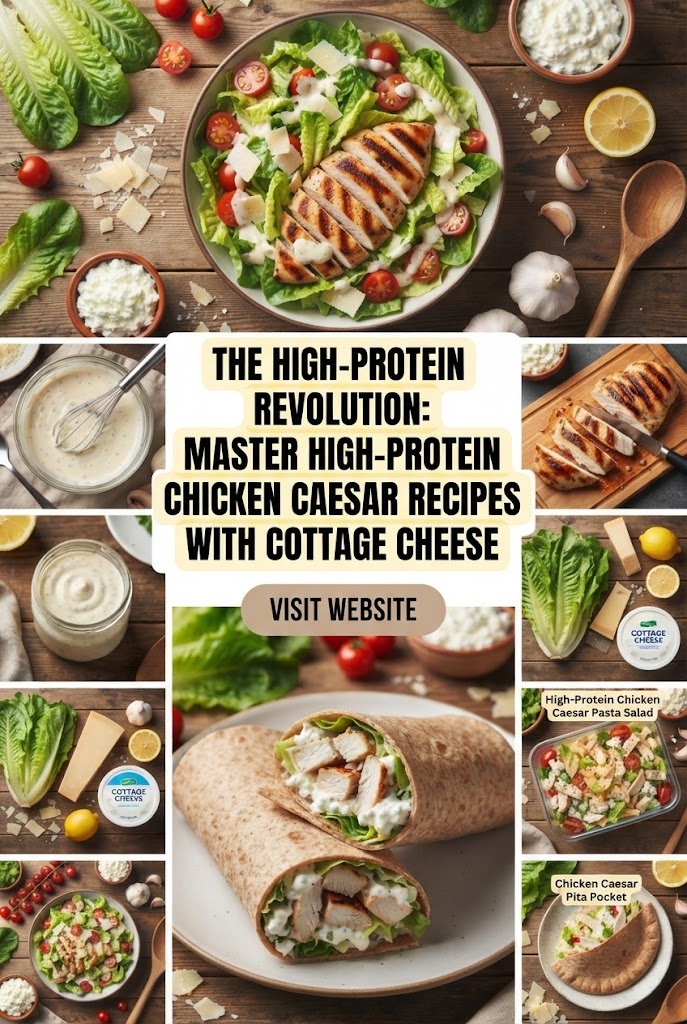
The fitness world and the culinary world have recently collided in a spectacular fashion, leading to the rise of “super-ingredients.” Among these, cottage cheese has emerged as the undisputed champion of versatile, high-protein cooking. Traditionally relegated to the side of a fruit plate, cottage cheese is now the secret weapon for creating creamy, decadent sauces without the caloric burden of heavy cream or mayonnaise. When you combine this protein powerhouse with the classic, savory profile of a Caesar dressing and lean chicken breast, you create a nutritional masterpiece.
This comprehensive guide explores the science, the flavor profiles, and the step-by-step instructions for creating the ultimate high-protein Caesar chicken dishes using cottage cheese. Whether you are a bodybuilder looking for muscle fuel or a busy parent seeking a healthy family dinner, these recipes offer the perfect balance of indulgence and health.
Why Cottage Cheese is the Ultimate Caesar Hack
Traditional Caesar dressing is a caloric minefield. Made with egg yolks, copious amounts of oil, and parmesan, it can easily add 300-400 calories to a simple salad. By replacing the oil and egg base with blended cottage cheese, you achieve several goals:
- Massive Protein Boost: Cottage cheese is rich in casein protein, which provides a slow release of amino acids.
- Lower Fat Content: Even full-fat cottage cheese has significantly less fat than vegetable oil or mayonnaise.
- Probiotics and Calcium: You add essential minerals and gut-friendly bacteria to your meal.
- Creamy Texture: When blended, cottage cheese becomes silky smooth, mimicking the mouthfeel of high-fat dressings perfectly.
The Foundation: The Master “Cottage Caesar” Sauce
Before we dive into the chicken recipes, you must master the sauce. This sauce serves as a marinade, a dressing, and a dipping sauce.
Ingredient Details (Form & Shape)
| Ingredient | Quantity | Form/Preparation |
|---|---|---|
| Cottage Cheese | 1.5 Cups | Low-fat or Full-cream, Small curd |
| Parmesan Cheese | 1/2 Cup | Finely grated (Real Parmigiano-Reggiano preferred) |
| Lemon Juice | 2 Tbsp | Freshly squeezed |
| Dijon Mustard | 1 Tbsp | Smooth texture |
| Garlic | 3 Cloves | Minced or roasted for sweetness |
| Anchovy Paste | 1 Tsp | Optional (but recommended for depth) |
| Worcestershire Sauce | 1 Tsp | Liquid |
| Black Pepper | 1 Tsp | Coarsely cracked |
| Water/Milk | 1-3 Tbsp | To adjust consistency |
Step-by-Step Preparation
- Combine Ingredients: In a high-speed blender or food processor, add the cottage cheese, parmesan, lemon juice, mustard, garlic, anchovy paste, and Worcestershire sauce.
- Blend Until Smooth: Pulse the mixture until the curds of the cottage cheese have completely disappeared. The mixture should look like a thick, glossy cream.
- Adjust Thickness: If the sauce is too thick (like a dip), add water or milk one tablespoon at a time until it reaches a pourable “dressing” consistency.
- Seasoning: Taste the sauce. Because cottage cheese and parmesan are naturally salty, you likely won’t need extra salt. Add the cracked black pepper and pulse once more.
- Chill: Transfer to a glass jar and let it sit in the fridge for at least 30 minutes. This allows the garlic and anchovy flavors to meld with the creaminess.
Recipe 1: The Ultimate Baked Caesar Chicken Breast
This is the flagship recipe. The cottage cheese sauce acts as a protective blanket, keeping the chicken incredibly moist while it bakes, resulting in a tender, flavorful protein source that defies the “dry chicken” stereotype.
Ingredient Details (Form & Shape)
- Protein Base: 4 Large Chicken Breasts (Approx. 1.5 lbs), trimmed of excess fat.
- The Coating: 1 Cup Master Cottage Caesar Sauce (see above).
- The Crunch: 1/2 Cup Panko Breadcrumbs or Crushed Pork Rinds (for low carb).
- Extra Topping: 1/4 Cup Grated Parmesan Cheese.
- Garnish: Fresh Parsley, chopped.
- Seasoning: Paprika, Garlic Powder, and Salt (for the chicken pre-seasoning).
Step-by-Step Instructions
- Preheat and Prep: Preheat your oven to 400°F (200°C). Lightly grease a baking dish with olive oil spray.
- Prepare the Chicken: Pat the chicken breasts dry with paper towels. This is crucial for ensuring the sauce sticks. Season both sides lightly with salt, garlic powder, and a hint of paprika.
- The Slather: Place the chicken breasts in the baking dish. Generously spoon the Master Cottage Caesar Sauce over each breast, using the back of the spoon to ensure the tops and sides are completely coated.
- The Crust: In a small bowl, mix the breadcrumbs (or pork rinds) with the 1/4 cup of grated parmesan. Sprinkle this mixture evenly over the sauced chicken.
- Baking: Place the dish in the center rack of the oven. Bake for 22-25 minutes. The internal temperature should reach 165°F (74°C).
- Broil for Color: For a golden-brown finish, turn the broiler on for the last 2 minutes of cooking. Watch closely to prevent burning.
- Resting: Remove from the oven and let the chicken rest for 5 minutes. This allows the juices to redistribute and the cottage cheese sauce to set into a thick, savory glaze.
- Serve: Garnish with fresh parsley and serve alongside roasted asparagus or a light green salad.
Recipe 2: Crispy Air-Fried Caesar Chicken Tenders
If you love the crunch of fried chicken but want to stay on track with your fitness goals, this recipe is a game-changer. The cottage cheese replaces the traditional egg wash, providing more protein and a better “glue” for the crust.
Ingredient Details (Form & Shape)
- Chicken: 1 lb Chicken Tenderloins or Chicken Breast cut into strips.
- Wet Mix: 3/4 Cup Blended Cottage Cheese, 1 Tbsp Dijon Mustard, 1 Tsp Lemon Zest.
- Dry Mix: 1 Cup Almond Flour (for high protein/low carb) or Flour/Breadcrumb mix.
- Spices: 1 Tsp Onion Powder, 1 Tsp Dried Oregano, 1/2 Tsp Cayenne Pepper (optional).
- Spray: Avocado oil spray or Olive oil spray.
Step-by-Step Instructions
- Set Up Stations: Prepare two shallow bowls. In the first, whisk together the blended cottage cheese, mustard, and lemon zest. In the second, combine the almond flour with the onion powder, oregano, and cayenne.
- Dredging Process: Take a chicken strip and dip it into the cottage cheese mixture, ensuring it is fully submerged. Lift it out and let the excess drip off.
- The Coating: Press the chicken strip into the dry mix, coating all sides thoroughly. Press firmly so the almond flour adheres to the creamy base.
- Arrange: Place the coated strips in the air fryer basket in a single layer. Do not overcrowd, as air needs to circulate to create crispiness.
- Spritz: Lightly spray the tops of the chicken with oil. This helps the coating brown and crisp up.
- Air Fry: Cook at 375°F (190°C) for 12-14 minutes, flipping halfway through. Spray the other side after flipping.
- Final Result: The tenders should be golden brown and crispy. The cottage cheese inside creates a juicy barrier that prevents the lean chicken from drying out in the high heat of the air fryer.
- Dipping: Serve with a side of the Master Cottage Caesar Sauce for double the protein.
Recipe 3: High-Protein Caesar Chicken Pasta Bake
Sometimes you need comfort food that doesn’t ruin your macros. This pasta bake uses high-protein pasta (like chickpea or lentil pasta) and a massive amount of cottage cheese to create a “Cheesy Caesar” sauce that is incredibly satisfying.
Ingredient Details (Form & Shape)
- Pasta: 8 oz Chickpea or Lentil Penne (High protein/fiber).
- Chicken: 2 Cups Cooked Chicken Breast, shredded or cubed.
- Sauce Base: 2 Cups Blended Cottage Cheese.
- Flavorings: 1/2 Cup Chicken Broth (to thin the sauce), 2 Tbsp Nutritional Yeast (for cheesy flavor), 3 Cloves Minced Garlic.
- Vegetables: 3 Cups Fresh Baby Spinach, 1 Cup Frozen Peas.
- Topping: 1/2 Cup Shredded Mozzarella, 1/4 Cup Grated Parmesan.
Step-by-Step Instructions
- Boil Pasta: Cook the high-protein pasta in salted water for 2 minutes less than the package instructions (it will finish cooking in the oven). Drain and set aside.
- Create the Sauce: In a large mixing bowl, whisk the blended cottage cheese with the chicken broth, nutritional yeast, garlic, and a splash of lemon juice.
- The Mix: Add the undercooked pasta, cooked chicken, fresh spinach, and peas to the bowl with the sauce. Fold everything together until the pasta is well-coated. The heat from the pasta will start to wilt the spinach.
- Transfer: Pour the mixture into a 9×13 inch baking dish.
- Cheese Layer: Evenly sprinkle the mozzarella and parmesan over the top.
- Bake: Bake at 375°F (190°C) for 20 minutes, or until the sauce is bubbling and the cheese on top has melted and started to brown.
- Serve: Let it cool for a few minutes before serving. This pasta dish provides a massive dose of protein from three sources: the chicken, the cottage cheese, and the legume-based pasta.
Recipe 4: Caesar Stuffed Chicken Breasts
For a gourmet presentation that packs a protein punch, stuffing the chicken is the way to go. This recipe uses the cottage cheese as a filling that becomes warm and gooey, much like a ricotta filling but with a distinct Caesar flair.
Ingredient Details (Form & Shape)
- Chicken: 4 Extra-thick Chicken Breasts.
- Filling: 1 Cup Cottage Cheese (Non-blended works here for texture), 1/4 Cup Chopped Sun-dried Tomatoes, 1/2 Cup Chopped Fresh Spinach.
- Seasoning for Filling: 1 Tsp Garlic Powder, 1 Tsp Italian Seasoning, 2 Tbsp Grated Parmesan.
- Outer Glaze: 1/4 Cup Master Cottage Caesar Sauce.
Step-by-Step Instructions
- The Pocket: Using a sharp knife, cut a horizontal slit into the thickest part of each chicken breast to create a pocket. Be careful not to cut all the way through.
- The Stuffing: In a small bowl, mix the cottage cheese, sun-dried tomatoes, spinach, garlic powder, Italian seasoning, and parmesan.
- Fill: Carefully spoon 2-3 tablespoons of the mixture into each chicken pocket. Secure the opening with wooden toothpicks.
- Sear: Heat an oven-safe skillet over medium-high heat with a teaspoon of olive oil. Sear the chicken breasts for 3 minutes per side until golden brown.
- Glaze and Finish: Brush the tops of the seared chicken with the Master Cottage Caesar Sauce.
- Oven Finish: Place the skillet into a preheated oven at 375°F (190°C) for 10-12 minutes until the chicken is cooked through.
- Result: When you cut into the chicken, the warm cottage cheese filling creates a creamy contrast to the savory exterior.
The Science of Satiety: Why This Works for Weight Loss
The combination of chicken and cottage cheese is scientifically ideal for weight management.
- Thermogenic Effect of Food (TEF): Protein has a higher TEF than fats or carbohydrates. This means your body burns more calories simply digesting protein than it does other macronutrients. By centering your Caesar meal around chicken and cottage cheese, you are literally boosting your metabolism.
- Volume Eating: Blended cottage cheese allows you to use a large volume of sauce for very few calories. You can “drown” your salad or chicken in this dressing without the guilt associated with traditional high-fat dressings.
- Casein vs. Whey: Chicken provides fast-digesting protein, while cottage cheese is rich in casein, which is slow-digesting. This dual-action protein delivery keeps you full for hours, preventing late-night snacking.
Maximizing Flavor: The “Secret” Caesar Additions
To make your cottage cheese Caesar taste exactly like a five-star restaurant version, consider these flavor enhancers:
- Nutritional Yeast: This provides a “nutty” and “cheesy” profile that complements the cottage cheese, especially if you are using a lower-fat version.
- Liquid Smoke: A tiny drop (less than 1/4 tsp) can add a grilled flavor to the sauce even if you are cooking the chicken in the oven.
- Capers: If you don’t like anchovies, chopped capers provide that essential salty, briny punch that defines a Caesar profile.
- White Miso Paste: An unconventional choice, but a teaspoon of white miso adds an incredible umami depth to the cottage cheese base.
Meal Prep Tips: Keeping it Fresh
One of the challenges with cottage cheese-based recipes is maintaining the texture during storage.
- Separation: Blended cottage cheese may separate slightly in the fridge. Simply give your dressing a quick stir before using.
- Chicken Texture: If meal prepping the Baked Caesar Chicken, store the sauce separately if possible and apply it before reheating. If already cooked together, reheat in an air fryer or oven rather than a microwave to maintain the crust’s integrity.
- Salad Prep: If making a Caesar salad, keep the chicken and dressing separate from the lettuce. Only toss them together right before eating to avoid soggy leaves.
Comprehensive Nutritional Breakdown (Per Serving)
Based on Recipe 1: Ultimate Baked Caesar Chicken
| Macronutrient | Amount |
|---|---|
| Calories | 320 kcal |
| Protein | 48g |
| Total Fat | 8g |
| Saturated Fat | 3g |
| Carbohydrates | 12g |
| Fiber | 1g |
| Sugar | 4g |
| Calcium | 20% DV |
Note: Traditional Caesar Chicken with similar proportions would typically range from 550-700 calories with 40+ grams of fat.
Frequently Asked Questions
Can I use fat-free cottage cheese?
Yes, you can. However, fat-free cottage cheese tends to be more watery and has a slightly tangier (more acidic) taste. If using fat-free, you may need to add an extra tablespoon of parmesan or a teaspoon of honey/maple syrup to balance the acidity.
How long does the Cottage Caesar Sauce last?
Since it contains dairy and fresh garlic, the sauce is best consumed within 5 to 7 days. Store it in an airtight glass container in the coldest part of your refrigerator.
Can I freeze these meals?
The Baked Caesar Chicken (Recipe 1) and the Pasta Bake (Recipe 3) freeze reasonably well. However, the sauce may change texture slightly upon thawing (becoming a bit more grainy). To fix this, stir in a splash of fresh milk or water after reheating.
I hate the texture of cottage cheese. Will I like this?
Absolutely. The “curd” texture is the main reason people dislike cottage cheese. When blended, it becomes completely smooth, indistinguishable from a mixture of Greek yogurt and mayo. It loses its “lumpy” identity and becomes a luxurious cream.
Is this recipe keto-friendly?
Most of these recipes are naturally low-carb. To make them strictly keto, ensure you use pork rinds instead of breadcrumbs for the topping and stick to full-fat cottage cheese to meet your fat macros.
Elevating the Experience: Serving Suggestions
To turn these high-protein recipes into a full dining experience, consider these pairings:
- The Classic Side: Lightly charred Romaine hearts. Slice a Romaine head in half, brush with a tiny bit of oil, and sear on a hot pan for 60 seconds. Drizzle with extra Cottage Caesar sauce.
- The Wine Pairing: A crisp, high-acidity white wine like a Sauvignon Blanc or a dry Pinot Grigio cuts through the creaminess of the cottage cheese and complements the lemon-garlic notes.
- The “Crunch” Factor: Instead of high-carb croutons, try roasting chickpeas until they are crunchy. Season them with garlic salt and toss them into your Caesar salad for extra fiber and protein.
Deep Dive: The Role of Anchovies in Caesar Flavor
Many people are hesitant to use anchovies or anchovy paste. However, in a Caesar dressing, they do not taste “fishy.” Instead, they provide Umami—the fifth taste sense that signals “savory” to the brain. In the context of cottage cheese, which can be somewhat “flat” or “mild,” the anchovy paste is what transforms the sauce from a healthy substitute into a culinary delight. If you are strictly vegetarian, you can substitute the anchovy paste with a mixture of soy sauce and seaweed flakes (Kelp powder) to achieve a similar depth.
The Final Word on High-Protein Cooking
The transition to a high-protein lifestyle doesn’t mean sacrificing the flavors you love. By reimagining the Caesar dressing through the lens of cottage cheese, we bridge the gap between “diet food” and “delicious food.” This collection of recipes proves that with a little creativity and a blender, you can enjoy creamy, savory, and satisfying meals that support your muscle-building and fat-loss goals.
Chicken is the canvas, and the cottage cheese Caesar sauce is the masterpiece. Whether you’re baking it, air-frying it, or stuffing it, the result is always the same: a high-protein, low-calorie meal that feels like a cheat meal. Dive into these recipes today and experience the magic of the cottage
