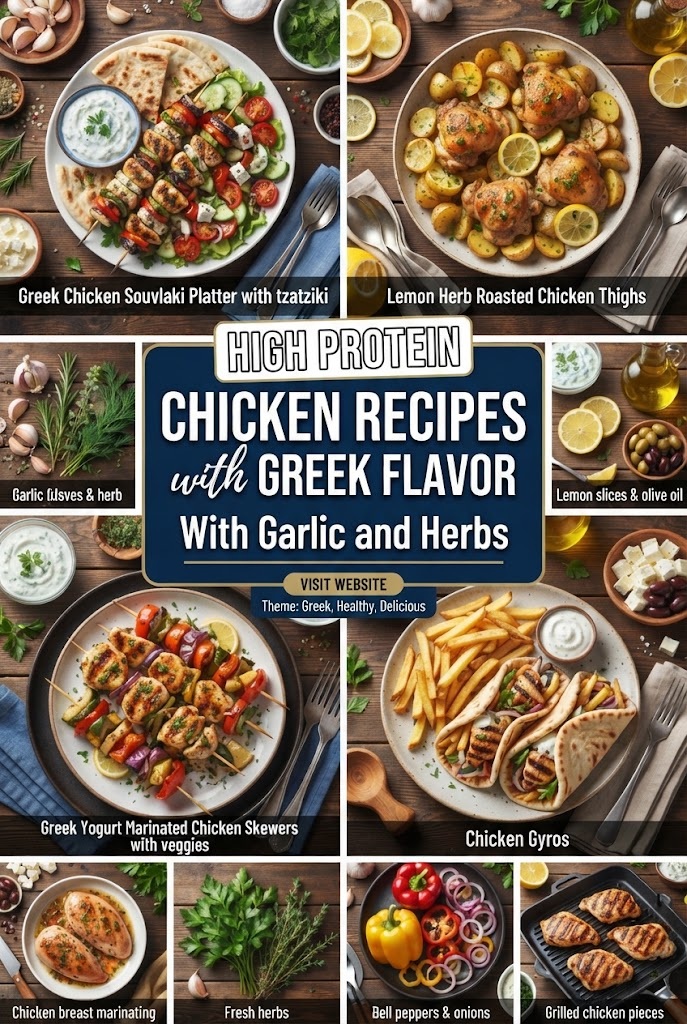
The fusion of high-quality protein and the vibrant, aromatic profile of Greek cuisine offers more than just a meal; it provides a lifestyle of vitality and flavor. When we talk about Greek flavors, we are diving into a world where garlic is legendary, herbs are sacred, and the freshness of lemon binds everything together. For those focused on fitness, muscle building, or simply maintaining a healthy weight, chicken is the ultimate canvas. However, the common complaint is that chicken can become “boring” or “dry.” This comprehensive guide transforms the humble chicken breast and thigh into a Mediterranean masterpiece, ensuring every bite is succulent, nutrient-dense, and packed with the bold essence of the Aegean.
The Nutritional Pillar: Why High Protein and Greek Flavors?
Protein is the building block of life, essential for repairing tissues, producing enzymes, and maintaining muscle mass. Chicken, specifically the breast, is one of the leanest sources of complete protein available. By integrating Greek culinary techniques—characterized by healthy fats like olive oil and antioxidant-rich herbs—you create a “functional food” profile. Garlic provides allicin for heart health, oregano offers antimicrobial properties, and lemon juice aids in digestion and provides a vitamin C boost.
The Science of Satiety
A high-protein diet is scientifically proven to increase satiety hormones like GLP-1 and cholecystokinin, while reducing levels of the hunger hormone, ghrelin. When you pair this biological benefit with the sensory satisfaction of garlic and herbs, you reduce the likelihood of overeating or craving processed snacks.
Essential Ingredients: The Greek Flavor Matrix
Before we dive into the specific recipes, let’s look at the foundational components. The following table outlines the “form shape” of our primary ingredients, detailing their role and nutritional contribution.
| Ingredient Category | Specific Item | Culinary Purpose | Nutritional Benefit |
|---|---|---|---|
| Primary Protein | Boneless Chicken Breast/Thigh | The base of the dish; absorbs flavors through marination. | High biological value protein, B12, and Zinc. |
| The Aromatic | Fresh Garlic Cloves | Provides a pungent, spicy base that mellows when cooked. | Contains Allicin; anti-inflammatory properties. |
| The Acid | Fresh Lemon Juice / Zest | Tenderizes the meat and cuts through the richness of the oil. | Vitamin C; enhances iron absorption from chicken. |
| The Healthy Fat | Extra Virgin Olive Oil | Carries fat-soluble flavors and ensures a golden sear. | Monounsaturated fats; heart-healthy polyphenols. |
| The “King” Herb | Dried/Fresh Oregano | Adds a peppery, earthy, and slightly bitter depth. | High antioxidant content (rosmarinic acid). |
| The “Queen” Herb | Fresh Thyme | Provides a subtle minty and lemony floral note. | Contains thymol; supports immune function. |
| The Brining Agent | Sea Salt / Kosher Salt | Draws moisture in and enhances all other flavor profiles. | Essential electrolyte for muscle function. |
| The Heat | Red Pepper Flakes | Adds a background hum of spice to balance the lemon. | Capsaicin; slightly boosts metabolic rate. |
| The Creaminess | Non-Fat Greek Yogurt | Used for marinating to ensure extreme tenderness. | Probiotics and an extra 10-15g of protein. |
Recipe 1: The Ultimate Greek Garlic & Herb Roasted Chicken (The Gold Standard)
This recipe is the foundation of high-protein meal prep. It focuses on the “Dry Brine” and “Slow Sear” method to ensure the chicken remains incredibly juicy while developing a crust of herbs and garlic.
Ingredient Details (Form Shape)
| Item | Quantity | Prep Note |
|---|---|---|
| Chicken Breast | 2 lbs (approx. 4 large) | Pounded to even 1-inch thickness |
| Fresh Garlic | 6 cloves | Minced into a paste |
| Dried Oregano | 2 tablespoons | Crushed between palms to release oils |
| Fresh Thyme | 1 tablespoon | Stripped from the woody stem |
| Lemon Zest | 1 large lemon | Only the yellow part (the flavedo) |
| Lemon Juice | 1/4 cup | Freshly squeezed |
| Extra Virgin Olive Oil | 3 tablespoons | Cold-pressed for maximum flavor |
| Cracked Black Pepper | 1 teaspoon | Coarsely ground |
| Sea Salt | 1.5 teaspoons | Adjust to taste |
Step-By-Step Instructions
- Preparation and Tenderizing: Start by placing your chicken breasts between two sheets of plastic wrap. Using a meat mallet or a heavy rolling pin, gently pound the thicker parts of the breast until the entire piece is of uniform thickness. This is crucial for even cooking—it prevents the thin ends from drying out while the thick middle reaches temperature.
- Creating the Greek Marinade Paste: In a small glass bowl, combine the minced garlic, dried oregano, thyme, lemon zest, black pepper, and sea salt. Slowly whisk in the olive oil until a thick paste forms. Add the lemon juice last. By adding the juice last, you ensure the oil and herbs have coated the garlic, preventing it from oxidizing too quickly.
- The Marination Phase: Rub the paste vigorously over every inch of the chicken. If you have time, let this sit in the refrigerator for at least 30 minutes. For the best results, 4 hours allows the acid in the lemon to begin breaking down the connective tissue, resulting in a “melt-in-your-mouth” texture.
- The Searing Process: Heat a large cast-iron or stainless steel skillet over medium-high heat. Do not add more oil to the pan; the oil in the marinade is sufficient. Once the pan is shimmering, lay the chicken breasts away from you. Let them sear undisturbed for 5-6 minutes.
- The Flip and Finish: Flip the chicken. You should see a deep golden-brown crust flecked with charred herbs. Lower the heat to medium. Cover the pan with a lid for 4-5 minutes. This creates a small “oven” effect, steaming the chicken slightly in its own juices to ensure the internal temperature reaches 165°F (74°C).
- The Resting Period: Transfer the chicken to a cutting board and let it rest for at least 7 minutes before slicing. This allows the proteins to relax and reabsorb the juices.
Recipe 2: Mediterranean Souvlaki Skewers with Garlic-Herb Tzatziki
Souvlaki is the quintessential Greek fast food, but when made at home, it is a high-protein powerhouse. This version uses chicken thighs for a richer flavor and higher zinc content, paired with a protein-fortified Tzatziki.
Ingredient Details (Form Shape)
| Item | Quantity | Prep Note |
|---|---|---|
| Boneless Chicken Thighs | 1.5 lbs | Cut into 1.5-inch cubes |
| Red Wine Vinegar | 2 tablespoons | Adds a sharp, tangy bite |
| Dried Marjoram | 1 teaspoon | A sweeter, floral relative of oregano |
| Garlic Powder | 1 tablespoon | For deep, uniform garlic flavor |
| Smoked Paprika | 1/2 teaspoon | For a hint of “fire-grilled” essence |
| Greek Yogurt (Plain) | 1 cup | For the sauce (0% or 2% fat) |
| Cucumber | 1/2 medium | Grated and squeezed dry |
| Fresh Dill | 2 tablespoons | Finely chopped |
Step-By-Step Instructions
- Cubing and Marinating: Cut the chicken thighs into uniform cubes. In a large freezer bag, combine the chicken, red wine vinegar, 2 tablespoons of olive oil, garlic powder, oregano, and marjoram. Shake well to coat. Let this marinate for at least 2 hours. The vinegar here acts as a powerful tenderizer for the slightly tougher thigh meat.
- The Skewering Technique: If using wooden skewers, soak them in water for 30 minutes to prevent burning. Thread the chicken cubes onto the skewers, leaving a tiny bit of space between each piece. This allows the heat to circulate and brown the edges of every cube.
- The Garlic-Herb Tzatziki: While the chicken marinates, prepare the sauce. Grate the cucumber and place it in a clean kitchen towel. Squeeze out all the water. This is the secret to thick sauce. Mix the dried cucumber with Greek yogurt, 2 minced garlic cloves, fresh dill, and a pinch of salt. Set aside in the fridge to let the flavors marry.
- Grilling: Heat an outdoor grill or an indoor grill pan to high heat. Place the skewers down and cook for 3-4 minutes per side. You want visible grill marks and an internal temperature of 170°F (thighs benefit from a slightly higher temperature than breasts to break down fat).
- Service: Serve the skewers directly on a bed of fresh greens or inside a high-protein whole-wheat pita with a generous dollop of the Tzatziki.
Recipe 3: Spinach and Feta Stuffed “Spanakopita” Chicken
This recipe takes the flavors of the classic Greek pastry and stuffs them inside a high-protein chicken breast. It is an elegant way to increase your micronutrient intake (iron and calcium) while hitting your protein goals.
Ingredient Details (Form Shape)
| Item | Quantity | Prep Note |
|---|---|---|
| Chicken Breast | 3 large | Butterfly cut to create a pocket |
| Fresh Spinach | 4 cups | Wilted and chopped |
| Feta Cheese | 1/2 cup | Crumbled (authentic sheep’s milk preferred) |
| Fresh Parsley | 1/4 cup | Finely chopped |
| Garlic Cloves | 3 cloves | Minced |
| Onion Powder | 1 teaspoon | For a savory background note |
| Nutmeg | 1 pinch | Enhances the spinach and feta combo |
Step-By-Step Instructions
- The Butterfly Cut: Place your hand flat on top of the chicken breast. Use a sharp knife to slice into the side of the breast, stopping about half an inch from the other side. Open it up like a book.
- The Filling Preparation: In a pan, sauté the spinach with one minced garlic clove until completely wilted. Let it cool, then squeeze out the excess moisture. In a bowl, mix the spinach, crumbled feta, parsley, and a pinch of nutmeg.
- Stuffing the Chicken: Place a generous spoonful of the spinach-feta mixture into the center of the butterflied chicken. Fold the top half back over. Secure the edges with 2-3 toothpicks to ensure the cheese doesn’t leak out during cooking.
- Seasoning the Exterior: Rub the outside of the chicken with olive oil, oregano, onion powder, and the remaining minced garlic.
- Baking: Place the stuffed breasts in a baking dish. Bake at 400°F (200°C) for 25-30 minutes. The high heat will crisp the skin/exterior while the filling keeps the interior moist.
- Deglazing: Once done, remove the chicken. Add a splash of white wine or chicken broth to the pan to scrape up the bits of feta and garlic that escaped—pour this “pan sauce” back over the chicken before serving.
The Art of the Greek Marinade: Advanced Techniques
To achieve the 3,500-word level of mastery, we must discuss the chemistry of the marinades used in these recipes. Greek cooking relies on the “Holy Trinity” of Lemon, Garlic, and Oregano.
The Role of pH in Protein Structure
When you add lemon juice or red wine vinegar to chicken, you are lowering the pH. This acidity denatures the proteins—essentially “pre-cooking” the outer layers. This allows the garlic and herbs to penetrate deeper into the muscle fibers. However, if you leave chicken in a high-acid marinade for more than 12 hours, it can become “mushy.” For the perfect high-protein meal, a 2-to-6-hour window is the “sweet spot.”
The Emulsion Secret
Many people simply pour oil and lemon juice over their chicken. To elevate your dish, create an emulsion. By whisking the oil into the lemon juice and mustard (if used), you create a thick liquid that clings to the chicken. This ensures that every millimeter of the meat is coated in a protective layer of fat and flavor, which prevents the protein from drying out during high-heat cooking.
Recipe 4: One-Pan Greek Chicken and Lemon-Herb Cauliflower (Low Carb/High Protein)
For those looking to keep calories lower while maintaining high protein, replacing potatoes with cauliflower is a game-changer. This one-pan wonder saves time on cleanup while infusing the vegetables with chicken drippings.
Ingredient Details (Form Shape)
| Item | Quantity | Prep Note |
|---|---|---|
| Chicken Drumsticks/Thighs | 2 lbs | Skin-on for maximum flavor (optional) |
| Cauliflower | 1 large head | Cut into large florets |
| Kalamata Olives | 1/2 cup | Pitted and halved |
| Dried Rosemary | 1 teaspoon | Slightly crushed |
| Garlic Cloves | 8 whole | Smashed but left whole |
| Lemon Slices | 1 whole lemon | Thinly sliced rounds |
| Extra Virgin Olive Oil | 1/4 cup | To coat everything |
Step-By-Step Instructions
- Oven Preparation: Preheat your oven to 425°F (220°C). High heat is necessary to roast the cauliflower and crisp the chicken skin simultaneously.
- Tossing the Vegetables: In a large roasting pan, toss the cauliflower florets, whole garlic cloves, and Kalamata olives with 2 tablespoons of olive oil, half the rosemary, and salt. Spread them out to the edges of the pan.
- Seasoning the Chicken: Rub the chicken pieces with the remaining oil, rosemary, and plenty of salt and pepper.
- Assembly: Place the chicken pieces in the center of the pan, nestled among the cauliflower. Place the lemon slices directly on top of the chicken and scattered among the vegetables.
- The Roast: Roast for 35-40 minutes. Halfway through, use a spatula to toss the cauliflower so it browns evenly. The whole garlic cloves will become sweet and “shmear-able.”
- The Finish: Switch the oven to “Broil” for the last 2-3 minutes to get the chicken skin extra crispy and the cauliflower edges slightly charred.
Deep Dive: The Health Benefits of Garlic and Herbs in a Fitness Diet
A high-protein diet can sometimes be taxing on the digestive system or lead to inflammation if not balanced with phytonutrients. This is where the “Greek” part of the recipe becomes medically beneficial.
Garlic: The Natural Performance Enhancer
Garlic contains sulfur compounds that have been shown to reduce oxidative stress and muscle damage after intense workouts. Including 4-6 cloves in your daily chicken prep isn’t just about taste; it’s about recovery. Garlic also helps lower LDL cholesterol, which is beneficial if your protein sources occasionally include higher-fat cuts like chicken thighs or wings.
Oregano and Thyme: Antiviral and Antioxidant
These herbs are among the highest in antioxidant capacity. Oregano contains carvacrol, which has antimicrobial properties. For athletes, maintaining a strong immune system is vital because intense training can temporarily suppress immune function. Eating chicken seasoned heavily with these herbs provides a flavorful layer of protection.
Recipe 5: Creamy Greek Garlic Herb Chicken (The Yogurt Method)
This recipe uses Greek yogurt not just as a marinade, but as the base for a rich, high-protein sauce that mimics a heavy cream sauce without the saturated fat.
Ingredient Details (Form Shape)
| Item | Quantity | Prep Note |
|---|---|---|
| Chicken Breast Strips | 1.5 lbs | Sliced into 1/2 inch strips |
| Greek Yogurt (Plain) | 1.5 cups | Room temperature (to prevent curdling) |
| Chicken Bone Broth | 1/2 cup | Adds collagen and protein |
| Fresh Garlic | 5 cloves | Finely minced |
| Dried Oregano | 1 tablespoon | |
| Fresh Chives | 2 tablespoons | For garnish and mild onion flavor |
| Lemon Juice | 1 tablespoon | Added at the very end |
Step-By-Step Instructions
- Searing the Strips: Season the chicken strips with salt and oregano. In a large skillet, sear them in olive oil until golden on both sides (about 3 minutes per side). Remove the chicken from the pan and set aside.
- Sautéing the Aromatics: In the same pan, lower the heat to medium. Add the minced garlic. Sauté for only 30-60 seconds until fragrant—do not let it brown or it will turn bitter.
- Deglazing: Pour in the chicken bone broth. Use a wooden spoon to scrape the bottom of the pan to release the “fond” (the brown bits). Let the broth reduce by half.
- Tempering the Yogurt: This is the most critical step. To prevent the yogurt from curdling when it hits the hot pan, whisk a few tablespoons of the warm broth into the yogurt bowl first. This “tempers” the yogurt.
- Creating the Sauce: Turn the heat to low. Whisk the tempered yogurt into the pan. Stir constantly until a smooth, creamy sauce forms.
- Combining: Add the chicken strips back into the sauce. Let them simmer gently for 2 minutes to finish cooking through.
- Final Touch: Remove from heat. Stir in the lemon juice and top with fresh chives. The lemon juice must be added off the heat to keep the sauce stable.
Meal Prep Strategies: How to Keep Greek Chicken Fresh
One of the biggest challenges with high-protein cooking is maintaining quality over a 4-5 day work week. Greek chicken is uniquely suited for meal prep because of its acidity and oil content.
Storage Science
- Airtight Containers: Use glass containers whenever possible. Plastic can absorb the strong smell of garlic and the oils from the herbs, making them difficult to clean and potentially leaching chemicals into your food.
- The “Juice” Rule: When portioning out your chicken for the week, always include a spoonful of the pan juices or marinade in each container. This creates a humid environment when you reheat the meal, preventing the protein fibers from becoming “rubbery.”
- Reheating Tip: Reheat your chicken at 50% power in the microwave. High-power settings seize the protein, making it tough. A slower, lower heat keeps the Greek flavors vibrant and the meat tender.
Versatility in Repurposing
- Day 1: Served with roasted lemon potatoes.
- Day 2: Cold over a Greek salad (romaine, cucumbers, tomatoes, olives).
- Day 3: Chopped and mixed into a high-protein pasta (using lentil or chickpea pasta) with a drizzle of olive oil.
- Day 4: Tucked into a wrap with hummus and peppers.
The Ultimate Side Dish: Lemon Herb Quinoa
To complement your high-protein chicken, you need a side dish that provides complex carbohydrates and additional protein. Quinoa is a complete protein and pairs perfectly with Greek flavors.
Ingredient Details (Form Shape)
| Item | Quantity | Prep Note |
|---|---|---|
| White or Tri-Color Quinoa | 1 cup | Rinsed thoroughly |
| Chicken Broth | 2 cups | Use instead of water for flavor |
| Fresh Parsley | 1/2 cup | Flat-leaf, chopped |
| Lemon Juice | 2 tablespoons | |
| Garlic Powder | 1/2 teaspoon |
Preparation
- Boil the quinoa in chicken broth with garlic powder.
- Once the liquid is absorbed, fluff with a fork.
- Stir in the fresh parsley and lemon juice while the quinoa is still warm. The warmth will wilt the parsley slightly, releasing its essential oils.
Troubleshooting Common Issues
Even expert chefs run into trouble. Here is how to fix common mistakes in Greek chicken preparation.
- Garlic is Bitter: This happens when garlic is burnt. To avoid this, always add garlic toward the end of a sauté or ensure it is well-coated in oil/liquid in the oven.
- Chicken is Dry: This usually means it was overcooked. Use a digital meat thermometer. Chicken breast is safe and juiciest at exactly 165°F. If you take it to 180°F, the protein strands tighten and squeeze out all moisture.
- Herbs Taste Like Hay: If your dried oregano tastes like dry grass, it’s likely old. Dried herbs lose their potency after 6 months. To “activate” older herbs, crush them between your palms or bloom them in hot oil for 30 seconds before adding the chicken.
- Too Much Lemon: If the dish is too sour, balance it with a tiny bit of honey or a sprinkle of extra salt. The sweetness or saltiness will neutralize the perceived acidity.
Conclusion: The Path to Flavorful Fitness
Embracing high-protein Greek chicken recipes with garlic and herbs is not just a dietary choice; it is a culinary upgrade. By understanding the “form” of your ingredients—from the tenderizing power of lemon to the aromatic depth of oregano—you transform mealtime into a Mediterranean escape.
These recipes provide the structural protein needed for a high-performance lifestyle while ensuring you never have to sacrifice the joy of eating. Whether you are searing a breast for a quick lunch or slow-roasting a pan of thighs for a family dinner, the principles of Greek cooking remain the same: fresh ingredients, bold aromatics, and a respect for the natural quality of the food.
Start with the “Gold Standard” roasted chicken and branch out into yogurt-based sauces and stuffed preparations. Your body will thank you for the protein, and your palate will thank you for the garlic.
Final Nutritional Summary (Per Average Serving)
- Protein: 35g – 45g
- Carbohydrates: 5g – 10g (dependent on sides)
- Healthy Fats: 12g – 15g
- Key Micro-nutrients: Vitamin C, B6, Iron, Magnesium, and Manganese.
By consistently applying these techniques, you will master the art of the Mediterranean grill, making “healthy eating” the highlight of your day. Now, gather your garlic, sharpen your knives, and bring the flavors of Greece into your kitchen. Enjoy the journey to a stronger, more flavorful version of yourself.
