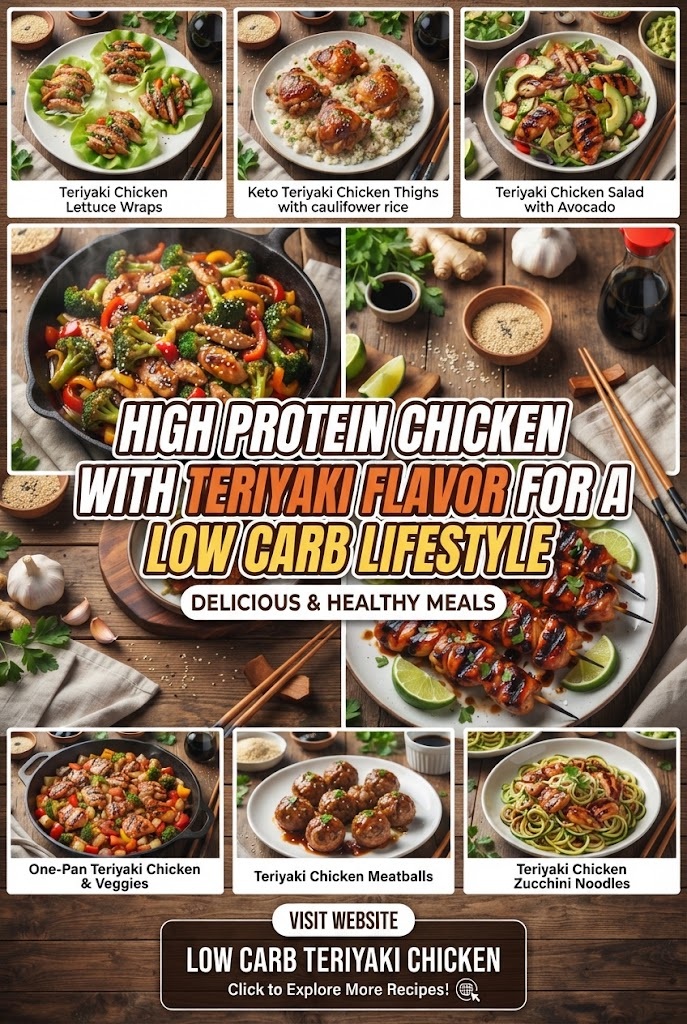
The allure of Teriyaki is undeniable. That perfect balance of salty, sweet, and savory—known as umami—has made it a staple in kitchens worldwide. However, for those committed to a high-protein, low-carb, or ketogenic lifestyle, traditional Teriyaki is often off the menu. Standard recipes are loaded with brown sugar, honey, and cornstarch, turning a healthy protein source into a high-glycemic meal that can spike blood sugar and stall weight loss.
But what if you could have that glossy, sticky, deeply flavorful sauce without the carbohydrate overload? This comprehensive guide explores the art of crafting high-protein Teriyaki chicken specifically designed for the low-carb enthusiast. We will dive deep into the science of ingredient substitutions, cooking techniques that maximize flavor without fat, and a variety of recipes that will keep your meal prep exciting and your muscles fueled.
The Science of the Low-Carb Teriyaki Transformation
Before we jump into the recipes, we must understand the “why” and “how” of making Teriyaki low-carb. Traditional Teriyaki sauce relies on three pillars: Soy Sauce, Mirin (sweet rice wine), and Sugar. To make this keto-friendly and high-protein, we must reinvent these pillars.
1. The Salty Base: Soy Sauce vs. Alternatives
While soy sauce is generally low in carbs, many people in the low-carb community prefer Coconut Aminos or Liquid Aminos.
- Coconut Aminos: Naturally sweeter and lower in sodium, but slightly higher in carbs than soy sauce.
- Liquid Aminos: A gluten-free alternative that tastes very similar to soy sauce with zero carbs.
- Tamari: A gluten-free soy sauce that provides a richer, deeper flavor.
2. The Sweetener: Replacing the Sugar
The “gloss” and “stickiness” of Teriyaki come from sugar caramelizing. To replicate this without the insulin spike, we use:
- Erythritol or Monk Fruit: These are the gold standards. Brown erythritol blends are particularly effective as they mimic the molasses flavor of brown sugar.
- Allulose: This is a “rare sugar” that actually caramelizes and thickens similarly to real sugar, making it the best choice for a sticky glaze.
3. The Thickener: Avoiding Cornstarch
Cornstarch is pure carbohydrate. To achieve that signature thick sauce that clings to the chicken, we utilize:
- Xanthan Gum: A tiny amount (1/4 teaspoon) can thicken a whole batch of sauce.
- Reduction: Simply simmering the sauce longer allows the water to evaporate, concentrating the flavors and thickening the liquid naturally.
Recipe 1: The Signature High-Protein Teriyaki Stir-Fry
This is your “go-to” weeknight dinner. It focuses on lean chicken breast to maximize protein while keeping the fats moderate.
Ingredient Details (Form Shape)
| Category | Ingredient | Quantity | Purpose |
|---|---|---|---|
| Protein | Boneless, Skinless Chicken Breast | 1.5 lbs | Lean protein base, cut into 1-inch cubes |
| The Base | Soy Sauce or Liquid Aminos | 1/2 Cup | Umami and saltiness |
| Sweetener | Brown Monk Fruit Blend | 3 Tbsp | Replaces brown sugar for sweetness |
| Aromatics | Fresh Ginger (grated) | 1 Tbsp | Provides zing and heat |
| Aromatics | Fresh Garlic (minced) | 3 Cloves | Depth of flavor |
| Acid | Rice Vinegar (unseasoned) | 1 Tbsp | Balances the sweetness |
| Thickener | Xanthan Gum | 1/4 tsp | Provides the “clingy” texture |
| Vegetables | Broccoli Florets & Bell Peppers | 2 Cups | Fiber and micronutrients |
| Fat | Sesame Oil | 1 Tbsp | For searing and nutty aroma |
Step-by-Step Cooking Instructions
- Prepare the Chicken: Pat the chicken breasts dry with paper towels. This is crucial for achieving a good sear. Season lightly with salt and pepper (remembering that the sauce is already salty).
- Whisk the Sauce: In a medium bowl, combine the liquid aminos, monk fruit sweetener, grated ginger, minced garlic, rice vinegar, and xanthan gum. Whisk vigorously until the sweetener is dissolved and the xanthan gum is evenly distributed.
- The Sear: Heat a large wok or skillet over high heat. Add the sesame oil. Once the oil is shimmering, add the chicken in a single layer. Let it cook undisturbed for 2-3 minutes to develop a golden-brown crust.
- Add Vegetables: Toss the chicken and add your chopped broccoli and bell peppers. Stir-fry for another 3-4 minutes until the vegetables are crisp-tender and the chicken is nearly cooked through.
- The Glaze: Pour the prepared sauce over the chicken and vegetables. Reduce the heat to medium-high.
- Thicken and Coat: Stir constantly as the sauce begins to bubble. Within 1-2 minutes, the xanthan gum will activate, and the sauce will transform into a thick, glossy glaze that coats every piece of chicken.
- Serve: Remove from heat immediately. Garnish with sesame seeds and sliced green onions.
Recipe 2: Baked Teriyaki Chicken Thighs with Asparagus
For those who prefer a juicier, more forgiving cut of meat, chicken thighs are the answer. This sheet-pan meal is perfect for meal prepping.
Ingredient Details (Form Shape)
| Category | Ingredient | Quantity | Purpose |
|---|---|---|---|
| Protein | Boneless, Skinless Chicken Thighs | 2 lbs | Higher fat content for moisture |
| Liquid | Coconut Aminos | 1/2 Cup | Lower sodium, natural sweetness |
| Sweetener | Allulose (Liquid or Granulated) | 1/4 Cup | Best for caramelization in the oven |
| Spice | Red Pepper Flakes | 1/2 tsp | Adds a subtle kick |
| Aromatic | Garlic Powder | 1 tsp | Even coating for roasting |
| Aromatic | Onion Powder | 1 tsp | Savory background note |
| Vegetable | Fresh Asparagus Spears | 1 Bunch | Low-carb side, woody ends trimmed |
| Garnish | Sliced Green Onions | 2 Tbsp | Freshness and color |
Step-by-Step Cooking Instructions
- Preheat and Prep: Preheat your oven to 400°F (200°C). Line a large baking sheet with parchment paper or a silicone mat for easy cleanup.
- The Marinade: In a small saucepan, combine the coconut aminos, allulose, garlic powder, onion powder, and red pepper flakes. Bring to a simmer over medium heat for 5 minutes. This “pre-reduction” ensures the sauce doesn’t just run off the chicken in the oven.
- Arrange: Place the chicken thighs on one side of the baking sheet. Arrange the asparagus on the other side.
- Brush: Using a pastry brush, generously coat the chicken thighs with about half of the reduced sauce. Drizzle the remaining sauce (or a little olive oil/salt/pepper) over the asparagus.
- Roast: Place the tray in the oven. Roast for 15 minutes.
- The Second Coat: Remove the tray. Brush the remaining Teriyaki sauce onto the chicken thighs. This layering creates a thick, lacquer-like finish.
- Broil: Turn the oven to “Broil” for the last 3-4 minutes. Watch closely! The allulose will caramelize quickly, giving you those charred, crispy edges that define great Teriyaki.
- Rest: Let the chicken rest for 5 minutes before serving to ensure the juices redistribute.
Recipe 3: Slow-Cooker Teriyaki Shredded Chicken
This recipe is designed for the busy professional. It creates a “pulled” chicken texture that is incredibly versatile for salads, wraps (using lettuce), or bowls.
Ingredient Details (Form Shape)
| Category | Ingredient | Quantity | Purpose |
|---|---|---|---|
| Protein | Chicken Breast or Thigh Mix | 2.5 lbs | High volume for weekly meal prep |
| Liquid | Soy Sauce | 3/4 Cup | Deep umami base |
| Sweetener | Stevia Drops or Erythritol | To taste | Zero-calorie sweetness |
| Acid | Apple Cider Vinegar | 2 Tbsp | Tanginess to cut through the salt |
| Aromatic | Fresh Garlic (Smashed) | 4 Cloves | Infuses flavor during slow cook |
| Aromatic | Whole Ginger Slices | 3-4 Slices | Easy to remove after cooking |
| Oil | Toasted Sesame Oil | 1 Tbsp | Added at the end for flavor |
| Thickener | Xanthan Gum (Optional) | 1/2 tsp | To thicken the juices post-cook |
Step-by-Step Cooking Instructions
- Layer the Cooker: Place the chicken breasts/thighs in the bottom of the slow cooker.
- Mix the Liquid: In a jar, shake together the soy sauce, sweetener, apple cider vinegar, and sesame oil.
- Add Aromatics: Drop the smashed garlic cloves and ginger slices directly onto the chicken, then pour the liquid mixture over the top.
- Slow Cook: Set the slow cooker to “Low” for 6 hours or “High” for 3 hours. Avoid overcooking, as chicken breast can become dry even in a slow cooker.
- Shred: Once the chicken is tender, remove it from the slow cooker and place it in a large bowl. Use two forks to shred the meat into bite-sized pieces.
- Reduce the Sauce: Strain the liquid remaining in the slow cooker into a saucepan. Bring to a boil on the stove. If you want it thicker, whisk in the xanthan gum. Let it boil for 3-5 minutes until reduced by half.
- Combine: Toss the shredded chicken with the reduced sauce.
- Usage: This is perfect for “Teriyaki Tacos” using Romaine lettuce leaves as the shell.
Recipe 4: Air Fryer Teriyaki Chicken Wings
Wings are the ultimate high-protein snack. Making them in the air fryer ensures a crispy skin without the need for deep frying in inflammatory seed oils.
Ingredient Details (Form Shape)
| Category | Ingredient | Quantity | Purpose |
|---|---|---|---|
| Protein | Chicken Wings (Flats and Drums) | 2 lbs | High-protein finger food |
| Dry Rub | Salt, Pepper, Garlic Powder | 1 tsp each | Base seasoning |
| Glaze | Low-Carb Teriyaki Sauce | 1/2 Cup | (See Signature Sauce recipe) |
| Crunch | Toasted Sesame Seeds | 1 Tbsp | Texture and garnish |
| Heat | Sriracha (Sugar-Free) | 1 Tbsp | Optional spicy kick |
Step-by-Step Cooking Instructions
- Dry the Wings: The secret to crispy air fryer wings is removing moisture. Pat the wings extremely dry with paper towels.
- Season: Toss the wings in a bowl with salt, pepper, and garlic powder. Do not add the sauce yet!
- Air Fry Phase 1: Arrange the wings in the air fryer basket in a single layer. Cook at 380°F (190°C) for 15 minutes.
- The Flip: Flip the wings over and cook for another 10 minutes.
- The Crisp: Increase the temperature to 400°F (200°C) and cook for a final 5 minutes until the skin is golden and bubbling.
- The Toss: While the wings are hot, transfer them to a large bowl. Pour the low-carb Teriyaki sauce (and optional Sriracha) over them. Toss until every wing is thoroughly coated.
- Flash Sear (Optional): Put the coated wings back in the air fryer for 2 minutes. This “sets” the sauce so it becomes sticky rather than runny.
- Serve: Garnish with sesame seeds and serve with celery sticks.
Advanced Techniques for the Perfect Low-Carb Teriyaki
To elevate your cooking from “good” to “restaurant quality,” consider these professional tips that specifically cater to the low-carb framework.
The Art of the Sear
In traditional cooking, sugar helps meat brown via the Maillard reaction. Since we are using sugar substitutes, we have to work harder for that color.
- Cast Iron is King: Use a cast-iron skillet. It retains heat better than stainless steel or non-stick, providing the high heat necessary to sear chicken quickly without overcooking the center.
- Don’t Crowd the Pan: If you put too much chicken in the pan at once, the temperature drops, and the chicken will steam in its own juices instead of searing. Cook in batches.
Managing Xanthan Gum
Xanthan gum is a powerful tool, but it can be tricky. If you use too much, the sauce becomes “slimy” or “goopy.”
- The Dispersion Method: Never dump xanthan gum directly into a hot liquid. Mix it with a tiny bit of oil or whisk it into your cold sauce ingredients first.
- The “Wait and See” Rule: Xanthan gum takes a minute or two to reach its full thickening potential. Wait before adding more.
Enhancing the Umami Profile
Since we are cutting out the sugar that often masks the nuances of Teriyaki, we can enhance the savory side:
- Shiitake Mushrooms: Add sliced shiitakes to your stir-fry. They contain natural glutamates that explode with savory flavor.
- Fish Sauce: A single teaspoon of high-quality fish sauce (check labels for sugar!) won’t make the dish taste like fish, but it will add an incredible depth of saltiness and complexity.
Nutritional Breakdown and Benefits
Why is this “High Protein Teriyaki” approach so effective for a low-carb lifestyle?
Protein-to-Energy Ratio
Chicken breast is nearly pure protein. By using a sugar-free Teriyaki sauce, you are maintaining a high Protein-to-Energy (P:E) ratio. This is the secret to satiety. When you eat high protein without the accompanying carbs and fats, your body is more likely to tap into its own fat stores for energy while preserving muscle mass.
Metabolic Health
Standard Teriyaki sauce can contain up to 15 grams of sugar per serving. In a meal with rice, you could easily consume 100g of fast-acting carbohydrates. This leads to a massive insulin spike. Our low-carb version keeps insulin levels stable, preventing the “food coma” and sugar cravings that typically follow a heavy Chinese or Japanese takeout meal.
Micronutrient Density
By replacing rice with cauliflower rice or stir-fried greens, you increase the volume of food you can eat while significantly boosting your intake of:
- Vitamin C: From bell peppers and broccoli.
- Potassium: Essential for those on a low-carb diet to prevent the “keto flu.”
- Gingerol: The active compound in ginger, which has potent anti-inflammatory and antioxidant effects.
Low-Carb Side Dishes to Pair with Teriyaki Chicken
A high-protein main dish needs the right supporting cast. Here are the best low-carb pairings for your Teriyaki chicken:
- Garlic-Ginger Cauliflower Rice: Sauté riced cauliflower with a bit of sesame oil, ginger, and garlic. It soaks up the extra Teriyaki sauce perfectly.
- Zucchini Noodles (Zoodles): Flash-fry zucchini ribbons for 2 minutes. They provide a “noodle” experience that pairs beautifully with the Teriyaki glaze.
- Smashed Cucumber Salad: A classic Asian side. Toss sliced cucumbers with rice vinegar, sesame oil, and red pepper flakes for a cooling contrast to the savory chicken.
- Roasted Bok Choy: Halve baby bok choy, brush with a little soy sauce and oil, and roast until the leaves are crispy and the bulbs are tender.
- Shredded Cabbage Slaw: A crunchy mix of purple and green cabbage with a vinegar-based dressing provides a bright acidity that cuts through the richness of the chicken thighs.
Common Mistakes to Avoid
- Using Seasoned Rice Vinegar: Most rice vinegar in the grocery store is “seasoned,” meaning it has added sugar. Always look for “unseasoned” rice vinegar.
- Overcooking the Chicken: Because Teriyaki involves a sauce, people often boil the chicken in the sauce until it becomes rubbery. Always sear the chicken first, remove it, thicken the sauce, and then toss it back in.
- Not Grating the Ginger: Chopped ginger can be woody and unpleasant to bite into. Grating it (using a microplane) allows the juices and flavor to meld into the sauce.
- Ignoring the Label on Soy Sauce: Some brands of soy sauce actually use wheat and corn syrup as fillers. If you are strictly low-carb or gluten-free, stick to Tamari or Liquid Aminos.
Storage and Meal Prep Tips
High-protein Teriyaki chicken is a meal prep superstar. Here is how to handle leftovers:
- Refrigeration: Store in airtight containers for up to 4 days. The flavors actually deepen overnight.
- Freezing: You can freeze the cooked Teriyaki chicken. However, do not freeze the vegetables (like broccoli) as they will become mushy upon thawing. Freeze the chicken in its sauce, then add fresh steamed vegetables when you reheat.
- Reheating: The best way to reheat is in a skillet over medium heat with a splash of water or broth to loosen the sauce. Avoid the microwave if possible, as it can make the chicken breast tough.
Frequently Asked Questions (FAQ)
Can I use honey if I’m not doing strict Keto?
If you are simply “lower carb” and not in ketosis, you can use a small amount of raw honey. However, keep in mind that honey is still pure sugar and will impact your blood glucose. For a similar flavor profile without the carbs, “Keto Honey” (made from fiber and monk fruit) is available.
Is Teriyaki chicken healthy for weight loss?
When made using the recipes above, yes! It is high in protein, which is the most satiating macronutrient, and low in the refined sugars and flours that contribute to fat storage.
How do I make the sauce thicker without Xanthan Gum?
If you don’t have xanthan gum, you can use Glucomannan (Konjac powder) or simply let the sauce simmer on low heat for a long time. The reduction method takes longer but results in a very deep, concentrated flavor.
Can I use this sauce for other proteins?
Absolutely. This low-carb Teriyaki glaze works perfectly on:
- Salmon: Brush it on before baking.
- Beef Strips: Ideal for a quick steak stir-fry.
- Tofu: Extra-firm tofu pressed and seared is a great vegetarian high-protein option.
- Shrimp: They cook in minutes and pair beautifully with the ginger notes.
Conclusion: The Joy of Guilt-Free Umami
Embracing a low-carb or high-protein lifestyle doesn’t mean you have to bid farewell to your favorite flavors. By understanding the chemistry of your ingredients—replacing sugar with allulose, cornstarch with xanthan gum, and rice with nutrient-dense vegetables—you can recreate the Teriyaki experience in a way that supports your health goals.
These recipes offer more than just a meal; they provide a blueprint for culinary creativity. Whether you’re searing a quick breast for a post-workout meal, slow-cooking a batch of shredded chicken for the week ahead, or air-frying wings for game day, you now have the tools to master the art of sugar-free Teriyaki.
The key to success is in the details: the sear on the meat, the freshness of the ginger, and the glossy finish of a well-reduced sauce. With these recipes in your arsenal, you’ll find that eating for fat loss and muscle gain can be just as delicious as any takeout order—if not more so. Grab your wok, prep your aromatics, and enjoy the perfect balance of health and flavor.
