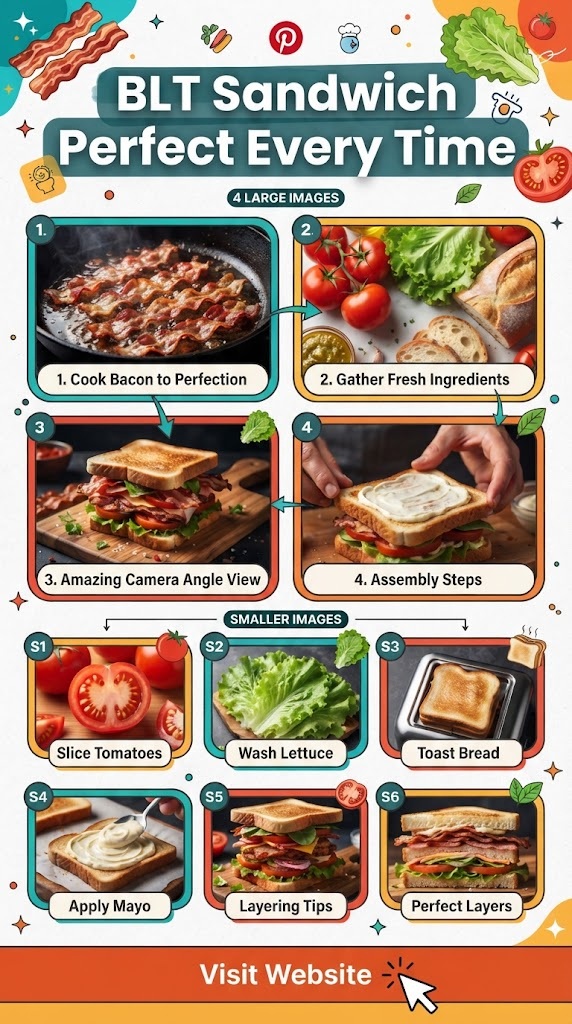
To build the perfect BLT, one must transition from a “maker of sandwiches” to an “architect of flavor.” This isn’t just about throwing components together before a lunch shift; it’s about understanding the specific role each element plays and how to coax the maximum potential out of every bite. When executed with precision, a BLT isn’t just a quick meal; it’s a seasonal celebration of peak produce and artisanal curing.
The Philosophy of the Seasonal Sandwich
The most important rule I teach my students is that a BLT is a seasonal dish. While you can find the ingredients year-round in any supermarket, a true, world-class BLT belongs to the summer. Why? Because the tomato is the soul of this sandwich. A mealy, out-of-season, hothouse tomato will doom the sandwich to mediocrity regardless of how high-quality your bacon is. We wait for those heavy, sun-drenched heirlooms that smell like the vine. Only then does the BLT reach its full potential.
The Foundation: Selecting the Ideal Bread
In sandwich architecture, the bread is the structural foundation. For a BLT, you need a vessel that offers a crisp exterior to withstand the juices of the tomato, but a soft enough interior that it doesn’t scrape the roof of your mouth.
- Sourdough: My personal preference. A naturally leavened sourdough provides a slight tang that cuts through the richness of the bacon and mayo. It also boasts a sturdy crumb that holds up under pressure.
- Pullman Loaf (Pain de Mie): If you prefer a more nostalgic, classic American experience, a high-quality white pullman loaf is the way to go. It toasts evenly to a beautiful golden brown and offers a buttery finish.
- Brioche: Use this sparingly. While delicious, the high fat and sugar content of brioche can sometimes overwhelm the delicate acidity of the tomatoes. If you choose brioche, ensure it is toasted heavily to provide structural integrity.
The Toasting Technique: Don’t just pop it in a toaster. To achieve a chef-level finish, I recommend pan-searing your bread in a cast-iron skillet with a small amount of unsalted butter or, better yet, a smear of the rendered bacon fat. This creates a “fat-fried” crust that is far more flavorful and provides a moisture barrier against the tomato juices.
The Bacon: Rendering Perfection
Bacon provides the salt and the “crunch” factor. However, “crispy” is a misunderstood term. We aren’t looking for shattered carbon; we want “snappy” bacon that has been properly rendered of its subcutaneous fat.
- The Cut: Look for thick-cut, center-cut bacon. Thinly sliced bacon often disappears into the sandwich or becomes too brittle. Thick-cut allows for a meaty chew in the center with crispy edges.
- The Cure: Applewood or Hickory smoked bacon adds a layer of depth that unsmoked “salt pork” styles lack. The smoke acts as a seasoning in itself.
- The Method: Forget the frying pan. For the most consistent results, use the oven. Lay the bacon strips on a wire rack set over a rimmed baking sheet. This allows the hot air to circulate around the meat, ensuring even cooking and allowing the fat to drip away. Bake at 375°F (190°C) for 15-20 minutes. The rack prevents the bacon from sitting in its own grease, which can lead to “soggy” spots.
The Tomato: The Soul of the Sandwich
If the bacon is the muscle, the tomato is the heart. This is where most people fail. A professional-grade BLT requires specific tomato preparation.
- Variety: Seek out Beefsteak or large Heirlooms (like Brandywine or Cherokee Purple). These varieties have a high flesh-to-seed ratio, which means more flavor and less watery mess.
- The Thickness: Slice your tomatoes at least 1/4 inch thick. You want the tomato to have a presence, not just be a thin red layer.
- The “Sweat” (Crucial Step): This is the secret step that separates home cooks from chefs. Place your tomato slices on a paper towel and sprinkle them lightly with Kosher salt and a crack of black pepper. Let them sit for 5 to 10 minutes. The salt draws out excess moisture (preventing a soggy sandwich) and intensifies the tomato’s natural sugars. This is non-negotiable.
The Lettuce: The Element of Crunch
Lettuce is often treated as an afterthought—a garnish. In a perfect BLT, it provides the essential “snap” and a cooling contrast to the warm bacon and toasted bread.
- Iceberg: The traditionalist’s choice. It offers the most significant “crunch” and has a high water content that cleanses the palate between bites of salty bacon.
- Romaine Hearts: A great middle ground. Use only the inner, pale green leaves for maximum crispness.
- Bibb or Butter Lettuce: These offer a sophisticated, silky texture, though they lack the aggressive crunch of iceberg. If you use Bibb, I suggest stacking multiple layers to create volume.
Pro-Tip: Always wash your lettuce in ice-cold water and spin it completely dry. Wet lettuce is the enemy of a good sandwich; it will cause the mayonnaise to slide off and make the bread limp.
The Spread: More Than Just Mayo
Mayonnaise is the “glue” of the sandwich. It provides the necessary fat to carry the flavors across your tongue.
- The Quality: Use a high-quality, egg-heavy mayonnaise (like Duke’s or Hellmann’s/Best Foods). Or, if you really want to elevate the dish, make a quick immersion blender hollandaise or aioli.
- The Customization: While a classic BLT uses plain mayo, a “Chef’s BLT” might incorporate a touch of lemon juice, a micro-planed clove of garlic, or a dash of hot sauce into the spread to provide a high note of acidity.
Detailed Assembly: The Architecture of Layers
The order in which you stack a sandwich determines how the flavors hit your palate and how well the sandwich stays together.
- Bottom Bread: Generously spread mayo from edge to edge. This acts as a sealant.
- The Lettuce: Place the lettuce directly on the mayo. The mayo helps hold the leaves in place.
- The Tomato: Place the seasoned tomato slices on top of the lettuce. The lettuce acts as a barrier, preventing the tomato juice from soaking directly into the bottom slice of bread.
- The Bacon: Layer the bacon over the tomatoes. I recommend a “criss-cross” pattern to ensure bacon in every bite. Placing the bacon on the tomatoes allows the salt from the bacon to season the tomato further.
- The Top Spread: Apply another layer of mayo to the top slice of bread.
- The Closure: Press down firmly but gently. This integrates the layers.
Essential Kitchen Equipment
To execute this at a professional level, you’ll need:
- A Serrated Knife: Essential for slicing the bread and the tomatoes without crushing them.
- Cast Iron Skillet: For toasting the bread to golden perfection.
- Baking Sheet with Wire Rack: For the ultimate oven-rendered bacon.
- Mandoline (Optional): If you prefer perfectly uniform, thin slices of tomato or onion.
Step-by-Step Execution Guide
Step 1: Prep the Bacon Preheat your oven to 375°F. Arrange 6-8 slices of thick-cut bacon on a wire rack over a baking sheet. Bake until the fat has rendered and the bacon is a deep mahogany brown (usually 18 minutes). Transfer to a paper-towel-lined plate to drain and firm up.
Step 2: Prepare the Vegetables While the bacon is cooking, slice your heirloom tomato into thick rounds. Place them on a cooling rack or paper towels and season with Kosher salt. Let them sit. Wash your Iceberg or Romaine lettuce in ice water, dry it thoroughly in a spinner, and tear it into pieces that match the size of your bread.
Step 3: The Bread Prep Slice two pieces of sourdough or Pullman loaf. Heat a skillet over medium heat with a tablespoon of butter. Toast one side of each slice until it is deeply golden. Remove and set aside.
Step 4: The Spread In a small bowl, whisk together 1/2 cup of mayonnaise with a teaspoon of lemon juice and a pinch of cracked black pepper.
Step 5: Construction Lay the bread slices out, toasted side facing “in” (this is a chef’s secret—toasting the inside keeps the sandwich structural while the outside remains soft, or you can toast both sides for maximum crunch). Apply the mayo. Layer: Lettuce, Tomato, Bacon.
Step 6: The Diagonal Cut Always cut a BLT on the diagonal. It creates more surface area for the first bite and, frankly, it just looks better. Use your serrated knife in a sawing motion to prevent squishing the ingredients.
Common Pitfalls and How to Avoid Them
- The “Sliding” Sandwich: This happens when there is too much moisture between layers. Ensure your lettuce is bone-dry and your tomatoes have been salted and drained.
- Tough Bacon: If your bacon is too thick or undercooked, you’ll end up pulling the entire strip out of the sandwich in one bite. Ensure a proper render so the bacon “snaps” when you bite through it.
- The Bread Roof Injury: Toasting bread until it’s as hard as a rock will hurt the diner. Aim for a “crispy-soft” balance. If your sourdough crust is too hard, trim it slightly before serving.
- Under-seasoning: Remember, tomatoes need salt. Bacon is salty, but the tomato is a large, water-heavy fruit that requires its own seasoning to shine.
Variations: Elevating the Classic
While the traditional BLT is a masterpiece, there are times when we want to experiment with the flavor profile.
- The BALT (Avocado): Adding ripe slices of Hass avocado adds a creamy, buttery texture that complements the acidity of the tomato.
- The BELT (Egg): A fried egg with a runny yolk turns a BLT into a decadent breakfast sandwich. The yolk acts as an additional sauce.
- The Spicy BLT: Incorporate sriracha or chipotle peppers into your mayonnaise for a smoky, spicy kick.
- The Seafood BLT: Add seared scallops or a piece of grilled salmon to create a “Club-style” luxury sandwich.
- The Herbaceous BLT: Add fresh basil leaves between the tomato and the bacon. It mimics a Caprese salad and adds a floral note to the sandwich.
Storage and Portability Tips
A BLT is best enjoyed within minutes of assembly. However, if you are packing one for a lunch or picnic:
- Deconstruct it: Pack the toasted bread, bacon, and lettuce in one container, and the sliced tomatoes in another. Assemble right before eating to prevent the bread from becoming a soggy mess.
- Mayo Barrier: If you must pre-assemble, use a very heavy hand with the mayo on both slices of bread. The fat in the mayo acts as a waterproof barrier against the tomato juice.
Sourcing Your Ingredients Like a Pro
To get that “restaurant quality” taste, you have to source like a chef.
- The Farmers Market: During July and August, this is the only place to buy tomatoes. Look for “ugly” tomatoes—scars and weird shapes usually indicate a heritage variety with incredible flavor.
- The Butcher Shop: Avoid the pre-packaged plastic bacon in the supermarket aisle. Go to a butcher and ask for slab bacon, then have them thick-slice it for you. The difference in smoke quality and meat-to-fat ratio is staggering.
- The Bakery: Buy a whole, unsliced loaf of bread. This allows you to control the thickness of the slices. For a BLT, a slightly thicker slice (about 3/4 inch) is ideal.
Best Side Dishes to Accompany a BLT
A sandwich this good deserves a worthy companion.
- Hand-Cut Fries: The salt and starch of a good fry are the natural partners to a BLT.
- Creamy Coleslaw: A vinegar-based slaw provides a sharp contrast to the rich bacon fat.
- Tomato Bisque: If it’s a cooler day, a small cup of tomato soup allows you to double down on that tomato flavor.
- Kettle Chips: For a quick lunch, the aggressive crunch of a kettle-cooked chip mirrors the crunch of the bacon.
Nutritional Perspective
While the BLT isn’t typically categorized as “health food,” it does offer a balanced profile of macronutrients. You have complex carbohydrates from the sourdough, high-quality protein from the bacon, and a wealth of Vitamin C and Lycopene from the tomatoes. To make it lighter, you can use turkey bacon and a light Greek yogurt-based spread, though the flavor profile will significantly shift.
The Physics of the First Bite
There is a specific sensory experience associated with a perfect BLT. It starts with the sound—the audible crunch of the toasted bread and the snap of the bacon. This is followed by the immediate cooling sensation of the lettuce and the burst of warm, acidic juice from the tomato. Finally, the creamy mayonnaise ties it all together, coating the palate and mellowing out the salt. If your sandwich doesn’t hit all these marks, go back to the drawing board and check your “sweat” time on the tomatoes or your render on the bacon.
Frequently Asked Questions
Q: Can I use a microwave to cook the bacon? A: As a chef, I would advise against it. Microwaving bacon tends to make it tough and rubbery rather than crispy and rendered. If you are in a rush, the stovetop is better, but the oven remains the gold standard for texture.
Q: What is the best way to keep the sandwich from falling apart while eating? A: Use a toothpick or a bamboo skewer in each half. Also, ensure your “glue” (the mayo) is spread all the way to the edges. The way you layer the lettuce—tearing it into flat pieces rather than using one big, curly leaf—also helps with stability.
Q: Can I make a vegetarian version that is just as good? A: You can certainly make a delicious vegetarian sandwich, though it won’t be a “BLT” in the traditional sense. Smoked tempeh or “facon” made from king oyster mushrooms can mimic the smoky, salty element. The key is to ensure whatever substitute you use has enough fat and salt to balance the tomato.
Q: Should the bacon be hot or cold when I put it on the sandwich? A: Ideally, the bacon should be warm but not piping hot. If it’s too hot, it will instantly wilt the lettuce and melt the mayo, causing the sandwich to slide. Let it rest for 2-3 minutes after it comes out of the oven.
Q: Why does my bread always get soggy? A: This usually comes down to two things: not drying the lettuce and not salting/draining the tomatoes. If you skip the “tomato sweat” step, the salt in the bacon will pull the water out of the tomato while it’s inside the sandwich, leading to instant sogginess.
Q: What’s the best tomato for a BLT if heirlooms aren’t available? A: Look for “Vine-Ripened” tomatoes or Roma tomatoes. If you use Romas, you’ll need more of them since they are smaller, but they tend to have a lower water content than standard round supermarket tomatoes.
The Chef’s Final Word on the BLT
Mastering the BLT is a rite of passage for any home cook who wants to elevate their game. It teaches you the importance of ingredient sourcing, the necessity of proper seasoning, and the mechanics of heat and texture. It is a sandwich that demands respect. When you sit down with a properly constructed BLT—one where the bacon is perfectly rendered, the tomatoes are salted and savory, and the bread has been toasted in a bit of fat—you realize that you don’t need a ten-course tasting menu to experience culinary bliss. You just need three perfect ingredients and the technique to let them shine.
Summary of Ingredients for the Perfect BLT
- Bread: 2 slices of thick-cut sourdough or Pullman loaf.
- Bacon: 4-6 strips of thick-cut, applewood-smoked bacon.
- Tomato: 1 large heirloom or beefsteak tomato, sliced thick.
- Lettuce: 2-3 leaves of fresh, cold Iceberg or Romaine heart.
- Mayonnaise: 2-3 tablespoons of high-quality, full-fat mayo.
- Seasoning: Kosher salt and freshly cracked black pepper.
- Fat: 1 tablespoon of unsalted butter or reserved bacon grease (for toasting).
Quick Reference Assembly Order (Bottom to Top)
- Toasted Bread (Internal side)
- Mayonnaise
- Crisp Lettuce (Dry)
- Salted/Seasoned Tomato Slices
- Rendered Bacon Strips
- Mayonnaise
- Toasted Bread (Internal side)
The beauty of the BLT lies in its lack of pretension. It is a meal for the people, perfected by the curious. Whether you are making this for a quick Tuesday lunch or a Sunday afternoon garden party, remember that the details are not just details—they are the sandwich. Pay attention to the snap of the bacon, the dryness of the lettuce, and the seasoning of the tomato. Your taste buds will thank you for the extra five minutes of effort.
Enjoy the process, and more importantly, enjoy the crunch. There is nothing quite like a perfect BLT to remind us why we love to cook in the first place.
Conclusion
The journey to the perfect BLT sandwich is one of culinary discipline. By treating each ingredient with the respect it deserves—properly rendering the bacon, carefully salting the tomatoes, and meticulously toasting the bread—you transform a simple lunch staple into a gourmet experience. This sandwich is a reminder that excellence doesn’t always require complexity; it requires focus, high-quality seasonal produce, and an understanding of how textures interact. Once you’ve tasted a BLT made with these professional techniques, there is no going back to the haphazard versions of the past. Grab the best tomatoes you can find, turn on your oven for that bacon, and enjoy the ultimate American classic.
