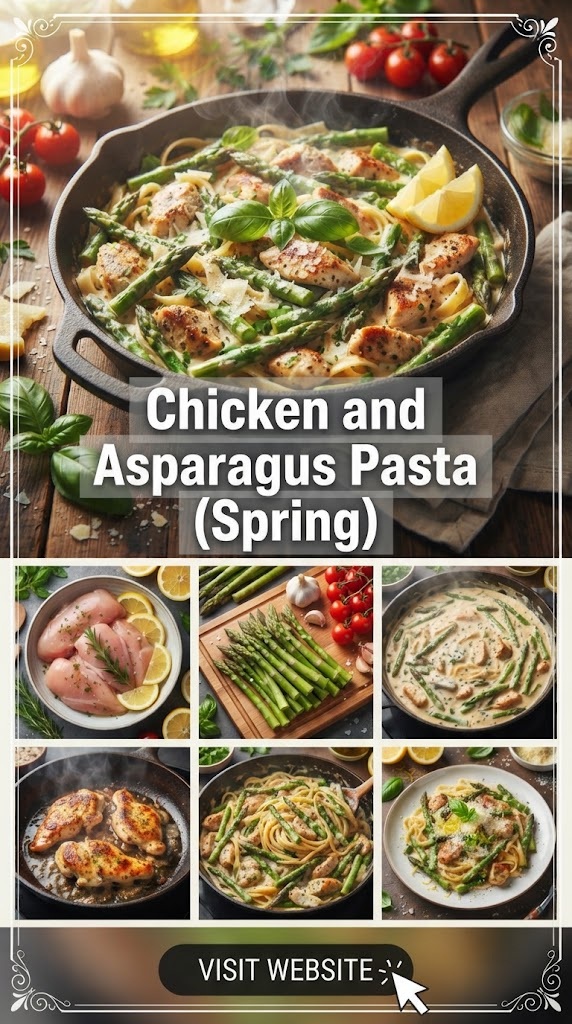
Chicken and Asparagus Pasta is a fresh, creamy, comforting dinner that brings together tender chicken, crisp-tender asparagus, garlic, Parmesan cheese, and perfectly cooked pasta in one delicious skillet. It is especially wonderful in spring, when asparagus is at its best, but the recipe is easy enough to enjoy throughout the year.
This recipe has everything you want in a satisfying weeknight meal: protein-rich chicken, colorful vegetables, carbohydrates from pasta, and a silky Parmesan sauce that brings every ingredient together. A little lemon juice and zest brighten the sauce, while garlic and Italian seasoning add savory depth.
The best part is that this pasta feels special enough for a weekend dinner but is simple enough for a busy weekday. Most of the preparation can be completed while the pasta water comes to a boil, and the entire meal can be on the table in about 40 minutes.
Why You’ll Love This Chicken and Asparagus Pasta
There are plenty of reasons to add this recipe to your regular dinner rotation.
First, it is incredibly flavorful without requiring complicated ingredients. Chicken, asparagus, garlic, Parmesan, lemon, and pasta create a combination that tastes much more sophisticated than the effort involved.
Second, it is a balanced meal. The chicken provides protein, asparagus adds vegetables and freshness, and pasta makes the dish hearty and satisfying.
Third, the recipe is flexible. You can use chicken breasts or boneless chicken thighs, penne or linguine, cream or milk, and even add other vegetables if you have them available.
Finally, it is beautiful. Bright green asparagus against golden chicken and creamy pasta makes an inviting dish that looks wonderful served family-style.
Complete Recipe
Recipe Information
Recipe Name: Chicken and Asparagus Pasta
Style: Creamy Spring Pasta
Cuisine: Italian-American Inspired
Prep Time: 15 minutes
Cook Time: 25 minutes
Total Time: About 40 minutes
Servings: 4–6
Difficulty: Easy to Moderate
Ingredients
For the Chicken
- 1 ½ pounds boneless, skinless chicken breasts
- 1 tablespoon olive oil
- 1 tablespoon butter
- 1 teaspoon Italian seasoning
- ½ teaspoon garlic powder
- ½ teaspoon paprika
- ½ teaspoon salt
- ¼ teaspoon freshly ground black pepper
For the Pasta
- 12 ounces pasta
- 1 teaspoon salt for the pasta water
- ½ cup reserved pasta water
Penne, linguine, fettuccine, spaghetti, rotini, or bow-tie pasta all work well.
For the Asparagus
- 1 pound fresh asparagus
- 1 tablespoon olive oil
- 2 cloves garlic, minced
- ¼ teaspoon salt
- ¼ teaspoon black pepper
For the Creamy Parmesan Sauce
- 2 tablespoons butter
- 3 cloves garlic, minced
- 1 cup heavy cream
- ¾ cup freshly grated Parmesan cheese
- ½ teaspoon Italian seasoning
- ¼ teaspoon black pepper
- ¼ teaspoon salt, or to taste
- 1 teaspoon lemon zest
- 1 tablespoon fresh lemon juice
Optional Garnishes
- Extra Parmesan cheese
- Fresh parsley, chopped
- Fresh basil
- Lemon wedges
- Cracked black pepper
- Red pepper flakes
Ingredient Notes
Chicken
Boneless, skinless chicken breasts are ideal because they cook quickly and slice neatly into bite-sized pieces. If you prefer darker meat, boneless, skinless chicken thighs are an excellent alternative.
Chicken thighs are naturally juicier and more forgiving if slightly overcooked.
If using very thick chicken breasts, slice them horizontally or pound them to an even thickness so they cook evenly.
Asparagus
Choose asparagus stalks that are firm and bright green. The tips should be compact rather than soft or wilted.
Medium-thickness asparagus works especially well because it becomes tender without falling apart.
Very thin asparagus can cook extremely quickly, while thick asparagus may need an extra minute or two.
Pasta
Short pasta shapes such as penne and rigatoni are excellent because the creamy sauce clings to them.
Long pasta such as linguine and fettuccine also works beautifully.
Whatever pasta you choose, avoid overcooking it. Slightly firm pasta is ideal because it will continue cooking briefly when combined with the sauce.
Parmesan
Freshly grated Parmesan melts much better than pre-shredded cheese.
For the smoothest sauce, grate the cheese yourself using the fine side of a box grater.
Pre-grated Parmesan can sometimes contain anti-caking ingredients that prevent the cheese from melting smoothly.
Lemon
Lemon is extremely important in this recipe.
The creamy sauce can be rich, and lemon cuts through that richness. Lemon zest provides concentrated citrus aroma, while lemon juice adds brightness.
How to Make Chicken and Asparagus Pasta
Step 1: Prepare the Chicken
Begin by preparing the chicken.
Pat the chicken breasts dry with paper towels. Removing excess moisture helps the chicken develop better browning in the skillet.
Cut the chicken into bite-sized pieces.
Place the chicken in a bowl and season with Italian seasoning, garlic powder, paprika, salt, and black pepper.
Toss well so every piece is evenly coated.
Set the seasoned chicken aside while you prepare the remaining ingredients.
Step 2: Prepare the Asparagus
Wash the asparagus thoroughly under cool running water.
The bottom portions of asparagus can be tough and woody, so remove them before cooking.
You can snap the asparagus stalks naturally with your hands or simply cut off approximately 1–2 inches from the bottom.
Cut the asparagus into pieces about 1½ inches long.
Keeping the pieces relatively similar in size helps them cook evenly.
Step 3: Boil the Pasta
Bring a large pot of water to a rolling boil.
Add salt to the water.
Once the water is boiling, add the pasta.
Cook according to the package instructions until al dente.
Al dente means the pasta should be tender but still have a slight firmness when bitten.
Before draining the pasta, reserve approximately ½ cup of the cooking water.
This starchy water is useful for adjusting the consistency of the sauce.
Drain the pasta and set it aside.
Do not rinse the pasta because the natural starch on the surface helps the sauce cling to it.
Step 4: Cook the Chicken
Place a large skillet over medium-high heat.
Add olive oil and butter.
Once the butter melts and begins to foam, add the seasoned chicken.
Arrange the chicken in a single layer as much as possible.
Allow it to cook without constantly moving it.
After approximately 3–4 minutes, turn the pieces and continue cooking.
Cook until the chicken is golden brown on the outside and cooked through.
The chicken should reach an internal temperature of 165°F (74°C) in the thickest pieces.
Remove the cooked chicken from the skillet and place it on a clean plate.
Do not worry if a few browned bits remain in the skillet. Those flavorful bits will become part of the sauce.
Step 5: Cook the Asparagus
Using the same skillet, add another tablespoon of olive oil if necessary.
Add the asparagus pieces.
Cook for approximately 3–5 minutes, stirring occasionally.
The asparagus should become bright green and tender-crisp.
You want it cooked enough to be pleasant to eat while still maintaining a little texture.
Add the minced garlic during the final minute of cooking.
Stir constantly enough to prevent the garlic from burning.
Once fragrant, transfer the asparagus to a plate or temporarily push it toward the side of the skillet.
Step 6: Build the Creamy Sauce
Reduce the heat to medium-low.
Add 2 tablespoons of butter to the skillet.
Once melted, add the minced garlic.
Cook for approximately 30–60 seconds.
Do not brown the garlic heavily because burnt garlic can make the entire sauce taste bitter.
Pour in the heavy cream.
Stir gently while scraping the bottom of the skillet with a wooden spoon or silicone spatula.
Those browned chicken pieces stuck to the skillet contain tremendous flavor.
Add Italian seasoning and black pepper.
Allow the cream to gently simmer for approximately 2–3 minutes.
Do not boil the cream aggressively.
Step 7: Add Parmesan
Reduce the heat to low.
Gradually add the freshly grated Parmesan cheese.
Stir continuously as the cheese melts.
The sauce should become smooth, creamy, and slightly thick.
If the sauce becomes too thick, add a splash of reserved pasta water.
Continue adding small amounts until the desired consistency is reached.
The sauce should coat the back of a spoon but still be loose enough to cover the pasta.
Step 8: Add Lemon
Add lemon zest and fresh lemon juice.
Stir well.
Taste the sauce.
If it tastes too rich, another small squeeze of lemon can help balance it.
Be careful not to add too much lemon at once.
You want a subtle citrus flavor rather than a strongly sour sauce.
Step 9: Combine Everything
Add the cooked pasta to the skillet.
Toss gently until the pasta is thoroughly coated in the Parmesan cream sauce.
Add the cooked chicken.
Then add the asparagus.
Continue tossing gently for 1–2 minutes.
If the sauce seems too thick, add reserved pasta water one tablespoon at a time.
The starch in the pasta water helps create a silky sauce that clings beautifully to the noodles.
Step 10: Final Seasoning
Taste the pasta carefully.
Add additional salt if needed.
Add freshly ground black pepper for extra flavor.
For a little heat, sprinkle in red pepper flakes.
You can also add additional lemon juice if you prefer a brighter flavor.
Once everything is hot and well combined, remove the skillet from the heat.
Step 11: Garnish and Serve
Transfer the Chicken and Asparagus Pasta to a large serving bowl or individual plates.
Sprinkle generously with freshly grated Parmesan.
Add chopped parsley or fresh basil.
Finish with cracked black pepper and a small amount of lemon zest if desired.
Serve immediately while the sauce is creamy and warm.
A lemon wedge on the side allows everyone to add extra citrus according to their taste.
What Makes the Sauce So Good?
The sauce is based on a simple combination of butter, cream, Parmesan, garlic, lemon, and pasta water.
Each ingredient has a specific role.
Butter provides richness.
Garlic adds savory aroma.
Heavy cream creates the creamy foundation.
Parmesan adds salty, nutty flavor and helps thicken the sauce.
Pasta water provides starch, helping emulsify the sauce.
Lemon balances the richness.
This combination creates a sauce that is creamy without needing a complicated roux.
How to Get Perfectly Cooked Chicken
Chicken is one of the easiest parts of this recipe to overcook.
The key is to cut the chicken into pieces of relatively equal size.
Small pieces cook quickly and develop plenty of browned edges.
Do not overcrowd the skillet.
If the pan is too crowded, the chicken releases moisture and begins steaming instead of browning.
If necessary, cook the chicken in two batches.
Also, avoid cutting into every piece repeatedly while it cooks.
Let the chicken develop a golden crust before turning it.
Most importantly, use an instant-read thermometer when possible.
Chicken should reach 165°F (74°C) internally.
How to Cook Asparagus Perfectly
Asparagus should be tender but not mushy.
The easiest way to achieve this is to avoid overcooking it.
Cook asparagus over medium-high heat for several minutes until it becomes bright green and slightly tender.
The center should still have a little bite.
Remember that asparagus will continue cooking slightly from residual heat after you remove it from the pan.
If your asparagus is particularly thick, cut it into smaller pieces or cook it for an additional minute or two.
Best Pasta Shapes for This Recipe
Different pasta shapes create slightly different results.
Penne
Penne is one of the best options because the creamy sauce enters the tubes.
Linguine
Linguine creates an elegant restaurant-style presentation.
Fettuccine
Fettuccine pairs exceptionally well with creamy Parmesan sauce.
Rotini
The spiral shape holds onto the sauce beautifully.
Bow-Tie Pasta
Farfalle makes this recipe visually attractive and is especially good for family dinners.
Spaghetti
Spaghetti works when you want a classic long-pasta presentation.
Variations
Chicken and Asparagus Pasta with Mushrooms
Add 8 ounces of sliced mushrooms.
Cook the mushrooms after the chicken and before the asparagus.
Allow them to brown until their moisture evaporates.
Then continue with the recipe.
Spicy Chicken and Asparagus Pasta
Add ½–1 teaspoon red pepper flakes.
You can also add a pinch of cayenne pepper to the chicken seasoning.
Garlic Parmesan Chicken Pasta
For stronger garlic flavor, increase the garlic to 5–6 cloves.
Use freshly grated Parmesan generously.
Chicken Asparagus Pasta with Cherry Tomatoes
Add 1 cup halved cherry tomatoes.
Cook them briefly with the asparagus.
The tomatoes add sweetness, acidity, and color.
Lighter Chicken and Asparagus Pasta
Use half-and-half instead of heavy cream.
You can also reduce the butter and Parmesan slightly.
The sauce will be lighter but still flavorful.
Creamy Pesto Chicken and Asparagus Pasta
Stir 2–3 tablespoons of basil pesto into the finished sauce.
The combination of pesto, asparagus, chicken, and Parmesan is excellent.
Chicken Asparagus Pasta with Bacon
Cook 4–6 strips of bacon until crisp.
Remove the bacon and reserve approximately 1 tablespoon of the rendered fat.
Cook the chicken in the bacon fat.
Crumble the bacon over the finished pasta.
Tips for the Best Results
Use fresh asparagus
Fresh asparagus provides the best texture and flavor.
Grate Parmesan yourself
Freshly grated cheese melts more smoothly.
Save pasta water
Never drain all the pasta water before reserving some.
It is one of the easiest ways to fix a sauce that is too thick.
Don’t boil the cream aggressively
Gentle heat produces a smoother sauce.
Add Parmesan over low heat
High heat can cause cheese sauces to become grainy.
Don’t overcook the pasta
Al dente pasta has better texture and holds sauce better.
Add lemon at the end
Adding lemon toward the end keeps its fresh flavor prominent.
Taste before serving
Parmesan is naturally salty, so always taste before adding additional salt.
Common Mistakes to Avoid
Overcooking the Chicken
Dry chicken can ruin an otherwise excellent pasta dish.
Cook it until it reaches 165°F internally and remove it from the skillet promptly.
Burning the Garlic
Garlic only needs a short cooking time.
Once it becomes fragrant, move quickly to the next step.
Using Too Much Heat for the Sauce
Very high heat can cause the cream to reduce too quickly and Parmesan to become grainy.
Use medium-low to low heat.
Skipping Pasta Water
Pasta water is useful for adjusting the sauce and creating a silky consistency.
Adding Cold Parmesan in One Large Pile
Add Parmesan gradually while stirring.
This encourages it to melt evenly.
Overcooking Asparagus
Mushy asparagus loses much of its appeal.
Aim for tender-crisp pieces.
Make-Ahead Instructions
You can prepare some components in advance.
Cook the chicken and asparagus earlier in the day and refrigerate them in separate airtight containers.
The sauce is best made fresh because creamy Parmesan sauces can thicken significantly when chilled.
Cook the pasta just before serving when possible.
If you need to make the entire recipe ahead of time, slightly undercook the pasta and keep a little extra cream or pasta water available when reheating.
Storage
Allow leftovers to cool before transferring them to an airtight container.
Refrigerate for up to approximately 3–4 days.
For best quality, store the pasta in individual portions.
How to Reheat
The microwave works well for individual servings.
Place the pasta in a microwave-safe bowl.
Add a small splash of milk, cream, or water.
Cover loosely and heat in short intervals, stirring between each interval.
For larger portions, reheat gently in a skillet over low heat.
Add a small splash of cream or milk and stir frequently.
Avoid very high heat because it can cause the creamy sauce to separate.
Can You Freeze Chicken and Asparagus Pasta?
Cream-based pasta can technically be frozen, but the texture may change after thawing.
The sauce may separate slightly.
For best results, freeze the cooked chicken and asparagus separately and prepare the creamy pasta sauce fresh.
If freezing the finished dish, cool it completely before transferring it to a freezer-safe container.
Use within approximately 1–2 months for best quality.
Thaw overnight in the refrigerator and reheat gently.
What to Serve with Chicken and Asparagus Pasta
This pasta is filling enough to serve as a complete meal, but a few sides can make dinner even better.
Garlic Bread
Warm garlic bread is perfect for soaking up the creamy Parmesan sauce.
Green Salad
A simple salad with lettuce, cucumber, tomatoes, and lemon vinaigrette provides freshness.
Roasted Vegetables
Roasted zucchini, broccoli, or carrots complement the creamy pasta.
Bruschetta
Tomato bruschetta provides acidity that balances the richness of the pasta.
Crusty Bread
A rustic loaf is another excellent choice for enjoying every drop of sauce.
Frequently Asked Questions
Can I use frozen asparagus?
Yes. Frozen asparagus can be used, although fresh asparagus generally provides better texture.
If using frozen asparagus, avoid overcooking it because it is usually partially cooked before freezing.
Can I use chicken thighs?
Absolutely.
Boneless, skinless chicken thighs are flavorful and juicy. Cook them to an internal temperature of 165°F.
Can I use milk instead of heavy cream?
Yes, but the sauce will be thinner.
For a richer result, half-and-half is a better substitute.
Can I use jarred Parmesan?
Freshly grated Parmesan is strongly recommended for the smoothest sauce, but jarred Parmesan can work in a pinch.
What if my sauce is too thick?
Add reserved pasta water one tablespoon at a time while stirring.
You can also add a small splash of cream or milk.
What if my sauce is too thin?
Allow it to simmer gently for another minute or two, then add a little more Parmesan.
Avoid adding a large amount of cheese at once.
Can I make this without dairy?
Use dairy-free butter and a suitable dairy-free cream alternative.
A dairy-free Parmesan substitute can also be added.
Can I make this recipe spicy?
Yes.
Add red pepper flakes, cayenne, or sliced fresh chili peppers.
Can I add more vegetables?
Definitely.
Broccoli, spinach, peas, mushrooms, zucchini, and cherry tomatoes all work well.
Nutrition Notes
The nutritional value will vary depending on the pasta, cream, Parmesan, chicken, and portion size used.
Chicken provides high-quality protein, while asparagus contributes fiber and several vitamins and minerals.
For a lighter meal, reduce the amount of cream and butter, increase the asparagus, and use a moderate portion of pasta.
Remember that Parmesan and salted pasta water can contribute significant sodium, so adjust added salt according to your dietary needs.
Perfect Spring Dinner
There is something especially appealing about combining asparagus with lemon, garlic, Parmesan, and tender chicken.
The asparagus provides a fresh spring-like character, while the creamy pasta makes the meal comforting and satisfying.
The lemon prevents the dish from becoming overly heavy, and the Parmesan creates the savory depth that makes you want another bite.
This is the kind of recipe that can become a family favorite because it feels familiar while still being fresh and interesting.
Complete Cooking Timeline
For an organized cooking process, follow this order:
0–5 minutes: Prepare chicken, asparagus, garlic, lemon, and Parmesan.
5–10 minutes: Bring pasta water to a boil and begin cooking pasta.
10–18 minutes: Cook chicken until golden and fully cooked.
18–23 minutes: Cook asparagus and garlic.
23–28 minutes: Prepare creamy Parmesan sauce.
28–32 minutes: Add pasta and reserved pasta water.
32–35 minutes: Add chicken, asparagus, and lemon.
35–40 minutes: Taste, garnish, and serve.
This streamlined approach helps keep all the components hot and prevents unnecessary waiting.
Chef’s Tips for Restaurant-Style Results
If you want this homemade pasta to taste like something from a restaurant, focus on a few details.
First, brown the chicken properly. Golden edges create much more flavor than pale, steamed chicken.
Second, use freshly grated Parmesan.
Third, don’t drown the pasta in sauce. The goal is for every strand or piece to be coated rather than swimming in cream.
Fourth, use lemon strategically. You don’t need a lot. A little zest and juice can transform the flavor.
Finally, garnish immediately before serving.
Fresh Parmesan, parsley, black pepper, and lemon zest provide a beautiful finishing touch.
Final Recipe Card
Chicken and Asparagus Pasta
Servings: 4–6
Prep: 15 minutes
Cook: 25 minutes
Total: 40 minutes
Ingredients
- 1 ½ pounds boneless, skinless chicken breasts
- 12 ounces pasta
- 1 pound asparagus
- 3 tablespoons butter
- 2 tablespoons olive oil
- 5 cloves garlic, minced
- 1 cup heavy cream
- ¾ cup freshly grated Parmesan
- 1 teaspoon Italian seasoning
- ½ teaspoon garlic powder
- ½ teaspoon paprika
- ½ teaspoon salt, plus more as needed
- ½ teaspoon black pepper
- 1 teaspoon lemon zest
- 1 tablespoon fresh lemon juice
- ½ cup reserved pasta water
- Fresh parsley or basil for garnish
- Red pepper flakes, optional
Directions
- Cut the chicken into bite-sized pieces and season with Italian seasoning, garlic powder, paprika, salt, and pepper.
- Trim the asparagus and cut it into 1½-inch pieces.
- Boil salted water and cook pasta until al dente. Reserve ½ cup pasta water before draining.
- Heat olive oil and butter in a large skillet over medium-high heat.
- Cook chicken until golden and fully cooked, reaching 165°F internally. Remove from the skillet.
- Cook asparagus for 3–5 minutes until tender-crisp.
- Add garlic and cook for about 30–60 seconds.
- Reduce heat and add butter and heavy cream.
- Stir in Italian seasoning and black pepper.
- Reduce heat to low and gradually add Parmesan.
- Add lemon zest and lemon juice.
- Add cooked pasta and toss to coat.
- Return chicken and asparagus to the skillet.
- Add reserved pasta water as needed to loosen the sauce.
- Taste and adjust seasoning.
- Garnish with Parmesan, parsley, black pepper, and optional red pepper flakes.
- Serve immediately.
Final Thoughts
Chicken and Asparagus Pasta (Spring) is a delicious combination of creamy comfort and fresh seasonal flavor. Tender chicken provides satisfying protein, asparagus adds color and texture, and the garlic-Parmesan cream sauce brings everything together.
The addition of lemon is the secret that keeps the dish bright rather than overly rich. With a few basic ingredients and straightforward cooking techniques, you can create a restaurant-quality dinner in your own kitchen.
Whether you’re looking for an easy weeknight dinner, a spring-inspired family meal, or a comforting pasta dish for guests, this recipe is an excellent choice.
Serve it hot with plenty of Parmesan, fresh herbs, and a squeeze of lemon—and don’t forget some crusty bread for the extra sauce.
