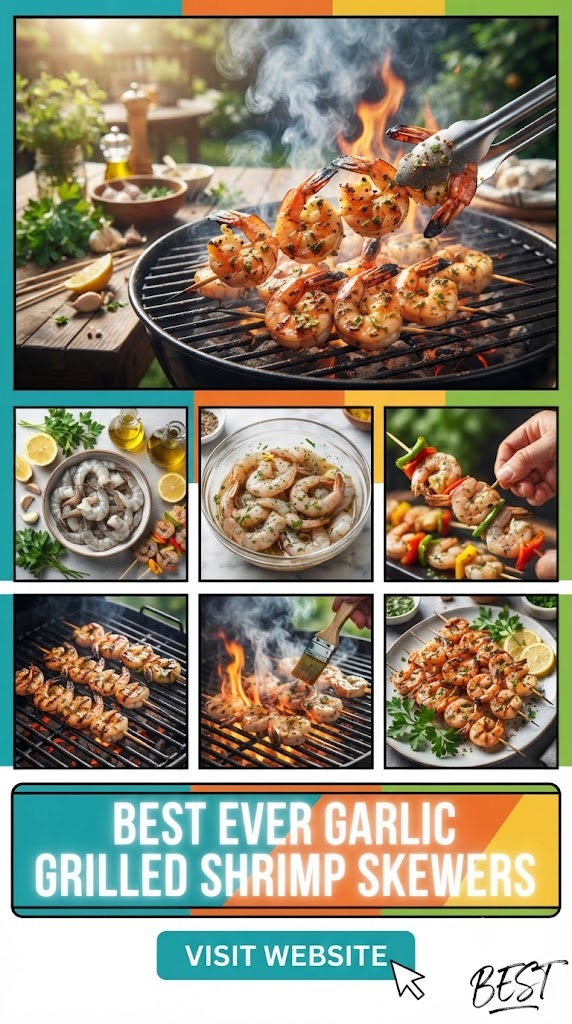
There is a specific kind of magic that happens when high heat meets succulent seafood. You know the sound—that aggressive sizzle the moment the protein touches the grate. You know the smell—the intoxicating aroma of caramelizing garlic and charred lemon zest wafting through the backyard. If there is one dish that defines the effortless elegance of outdoor cooking, it is the grilled shrimp skewer.
Shrimp is often referred to in the culinary world as the “fast food” of healthy proteins, but not because it’s processed. Rather, it is because of its incredible speed. In a world where we are all juggling hectic schedules, find me another protein that can go from raw to a five-star meal in under six minutes. It’s the ultimate weeknight “cheat code.” But don’t let that speed fool you; there is a craft to getting it right. We’ve all had those rubbery, overcooked, tasteless shrimp at a mediocre buffet. We aren’t making those today. Today, we are making the kind of shrimp that people talk about for weeks—plump, juicy, infused with bright citrus, and kissed by the flames of a charcoal grill.
Why This Method Wins Every Single Time
When you’re looking for an easy dinner, you want a recipe that minimizes dishes and maximizes impact. These skewers hit that sweet spot. The beauty of this recipe lies in its versatility. It works as a light main course over a bed of fluffy quinoa, a protein-packed topper for a Caesar salad, or even a sophisticated appetizer for a summer cocktail party.
Grilled Shrimp Skewers Easy Dinner
Looking for a quick, healthy, and incredibly delicious dinner? These Grilled Shrimp Skewers are packed with bold garlic, lemon, and herb flavors while staying juicy and tender. They take just 20 minutes from start to finish, making them perfect for busy weeknights, backyard BBQs, or summer gatherings.
Why You’ll Love This Recipe
- Ready in only 20 minutes
- High in protein
- Perfect for grilling or indoor grill pans
- Family-friendly
- Great for meal prep
- Naturally low-carb and gluten-free
Ingredients
For the Shrimp
- 1½ pounds large shrimp (peeled and deveined)
- 2 tablespoons olive oil
- 3 garlic cloves, minced
- 1 tablespoon lemon juice
- 1 teaspoon lemon zest
- 1 teaspoon paprika
- ½ teaspoon smoked paprika
- 1 teaspoon Italian seasoning
- ½ teaspoon onion powder
- ½ teaspoon salt
- ¼ teaspoon black pepper
- 1 tablespoon chopped fresh parsley
Optional Garnish
- Fresh parsley
- Lemon wedges
- Melted butter
- Red pepper flakes
Kitchen Equipment
- Grill or grill pan
- Wooden or metal skewers
- Mixing bowl
- Tongs
- Basting brush
Tip: If using wooden skewers, soak them in water for 30 minutes before grilling to prevent burning.
How to Prepare the Shrimp
Step 1: Clean the Shrimp
Peel and devein the shrimp if needed. Pat them dry using paper towels.
Step 2: Make the Marinade
In a large bowl, combine:
- Olive oil
- Garlic
- Lemon juice
- Lemon zest
- Paprika
- Smoked paprika
- Italian seasoning
- Onion powder
- Salt
- Black pepper
- Parsley
Mix well until fully combined.
Step 3: Marinate
Add the shrimp and toss until evenly coated.
Let marinate for:
- 15–20 minutes at room temperature
- Up to 30 minutes in the refrigerator
Avoid marinating too long, as the lemon juice can make the shrimp mushy.
How to Assemble the Skewers
Thread 4–6 shrimp onto each skewer, piercing each shrimp twice so they stay secure during grilling.
Leave a small gap between shrimp for even cooking.
How to Cook Grilled Shrimp Skewers
Step 1: Preheat the Grill
Heat the grill to medium-high heat (400–450°F / 205–230°C).
Clean and lightly oil the grill grates.
Step 2: Grill the Shrimp
Place the skewers directly on the hot grill.
Cook for:
- 2–3 minutes per side
Turn once using tongs.
Step 3: Check for Doneness
Shrimp are done when they:
- Turn pink
- Become opaque
- Curl into a loose “C” shape
Do not overcook, or they may become rubbery.
Step 4: Finish
Remove from the grill.
Brush with melted butter if desired.
Sprinkle with fresh parsley and serve with lemon wedges.
Cooking Time
| Step | Time |
|---|---|
| Prep Time | 10 minutes |
| Marinating | 15–20 minutes |
| Grill Time | 5–6 minutes |
| Total Time | 20–30 minutes |
Tips for Perfect Grilled Shrimp
- Use large or jumbo shrimp for the best texture.
- Pat shrimp dry before marinating.
- Don’t over-marinate.
- Grill over medium-high heat.
- Flip only once.
- Remove shrimp immediately after they turn pink.
Delicious Variations
Garlic Butter Shrimp
Brush with melted garlic butter immediately after grilling.
Cajun Shrimp Skewers
Add 2 teaspoons Cajun seasoning for extra spice.
Honey Garlic Shrimp
Mix 1 tablespoon honey into the marinade for a sweet and savory glaze.
Spicy Shrimp
Add ½ teaspoon cayenne pepper or crushed red pepper flakes.
Mediterranean Style
Add oregano, dill, and crumbled feta cheese before serving.
What to Serve with Grilled Shrimp Skewers
- Garlic butter rice
- Grilled vegetables
- Corn on the cob
- Caesar salad
- Roasted potatoes
- Quinoa salad
- Pasta salad
- Coleslaw
- Fresh garden salad
- Warm pita bread
Storage Instructions
Store leftover shrimp in an airtight container in the refrigerator for up to 3 days.
Reheating
Reheat gently in:
- A skillet over medium heat for 2–3 minutes
- Microwave in 30-second intervals
- Air fryer at 325°F for 2–3 minutes
Avoid overheating to keep the shrimp tender.
Nutrition (Per Serving)
- Calories: 240
- Protein: 28g
- Carbohydrates: 3g
- Fat: 12g
- Saturated Fat: 2g
- Fiber: 1g
- Sugar: 1g
- Sodium: 620mg
Nutrition values are estimates and may vary based on ingredients used.
Frequently Asked Questions
Can I use frozen shrimp?
Yes. Thaw completely and pat dry before marinating.
How do I know when shrimp are cooked?
They should be pink, opaque, and curled into a loose “C” shape.
Can I cook these without an outdoor grill?
Absolutely. A grill pan, cast-iron skillet, or broiler works well.
Can I make the marinade ahead of time?
Yes. Prepare the marinade up to 24 hours in advance and refrigerate until ready to use.
Can I bake shrimp skewers instead?
Yes. Bake at 425°F (220°C) for 8–10 minutes, turning halfway through.
Pro Tips
- Use fresh lemon juice for the brightest flavor.
- Metal skewers eliminate the need for soaking.
- Brush the grill with oil to prevent sticking.
- Serve immediately for the juiciest shrimp.
- Pair with grilled pineapple or mango salsa for a fresh summer meal.
Final Thoughts
These Grilled Shrimp Skewers are the perfect easy dinner when you want something fast, healthy, and full of flavor. With a simple marinade, quick cooking time, and endless serving options, this recipe is ideal for weeknight meals, cookouts, or entertaining guests. Once you try these juicy, perfectly grilled shrimp skewers, they’ll become a regular favorite in your dinner rotation.
Sourcing Your Star Ingredient: What to Look For
Before you even fire up the grill, the success of your dinner starts at the seafood counter. Not all shrimp are created equal, and choosing the right variety can make or break your skewers.
Size Matters
In the world of shrimp, size is designated by a number (like 16/20 or 21/25), which indicates how many shrimp make up a pound. For grilling, I always recommend the Jumbo (16/20) or Extra Large (21/25) varieties. Why? Because small shrimp cook too fast. By the time you get a nice char on a tiny shrimp, the inside is already tough and dry. Larger shrimp provide enough surface area to develop a crust while keeping the interior moist and tender.
Fresh vs. Frozen
Here is a professional secret: “fresh” shrimp at the grocery store counter is often just frozen shrimp that the butcher thawed for you. Unless you live right on the coast and are buying directly from a boat, high-quality frozen shrimp (Flash-Frozen at Sea) is actually your best bet. It’s frozen at the peak of freshness. Look for “IQF” (Individually Quick Frozen) bags so you can take out exactly what you need.
Wild-Caught vs. Farmed
If your budget allows, go for wild-caught American shrimp. They tend to have a cleaner, more “ocean-forward” flavor and a firmer texture than many imported farmed varieties. Plus, supporting domestic fisheries is a win for sustainability.
The Essential Components of the Marinade
A marinade isn’t just about flavor; it’s about chemistry. For shrimp, you want a marinade that works quickly. Because shrimp are relatively small and porous, they don’t need to sit in liquid for hours like a steak or a chicken breast. In fact, if you leave shrimp in a highly acidic marinade for too long, the acid will actually start to “cook” the proteins (like a ceviche), resulting in a mealy texture once they hit the grill.
The Oil Base
Use a high-quality extra virgin olive oil. It serves as the vehicle for all the other flavors. It also helps prevent the shrimp from sticking to the grill grates.
The Citrus Punch
Freshly squeezed lemon juice is non-negotiable. Avoid the green plastic bottle at all costs. The zest of the lemon is where the essential oils live, so I always grate the zest into the bowl before juicing. This doubles the citrus impact without making the marinade too watery.
The Garlic Factor
We use four cloves of garlic for a reason. Garlic and shrimp are one of the world’s greatest pairings. I prefer to grate the garlic using a microplane rather than mincing it. Grating creates a garlic paste that clings to the shrimp, ensuring no one gets a giant hunk of raw garlic, but everyone gets that pungent, savory kick.
The Herb Garden
Fresh flat-leaf parsley adds a grassy brightness, while a touch of dried oregano adds an earthy, Mediterranean backbone. If you want to get adventurous, swapping the parsley for cilantro and the lemon for lime takes this recipe in a totally different, equally delicious direction.
Tools of the Trade: Preparing Your Gear
You don’t need a professional kitchen to make world-class grilled shrimp, but a few specific tools will make your life much easier.
- Skewers: You have two choices here: bamboo or metal.
- Bamboo: They are cheap and disposable, but they must be soaked in water for at least 30 minutes before use to prevent them from turning into kindling on your grill.
- Metal: These are eco-friendly and reusable. They also conduct heat, which helps the shrimp cook from the inside out.
- The Double Skewer Trick: If you’ve ever tried to flip a skewer only to have the shrimp spin in circles while the stick turns, you know the frustration. The pro move is to use two skewers side-by-side for each row of shrimp. This creates a “ladder” effect that makes flipping effortless and keeps the shrimp perfectly flat.
- Long-Handled Tongs: Essential for reaching the back of the grill without losing your arm hair.
- A Clean Grill Brush: Shrimp are delicate. If your grill grates are covered in yesterday’s burger grease, the shrimp will stick and tear. Scrub those grates until they shine.
Step-by-Step Instructions for Grilled Perfection
1. Preparation and Cleaning
Start by peeling and deveining your shrimp. I personally like to leave the tails on. Not only does it provide a natural “handle” for eating, but the shells on the tail add a bit of extra flavor during the grilling process. To devein, use a small paring knife to make a shallow slit down the back of the shrimp and remove the dark intestinal tract. Rinse them under cold water and—this is crucial—pat them bone-dry with paper towels. If the shrimp are wet, they will steam instead of sear.
2. The Quick Soak
In a large glass bowl, whisk together your olive oil, lemon juice, lemon zest, grated garlic, herbs, salt, black pepper, and a pinch of red pepper flakes for heat. Toss the dried shrimp into the bowl and massage the marinade into every nook and cranny. Let them sit at room temperature for no more than 15 to 20 minutes.
3. Skewering with Precision
Thread the shrimp onto your skewers. I like to pierce them once through the thickest part of the “head” end and once through the tail end. This creates a “C” shape that stays secure on the grill. Don’t pack them too tightly; you want the heat to circulate around each individual shrimp.
4. Setting the Stage (The Heat)
Preheat your grill to medium-high heat (about 400°F to 450°F). If you are using a charcoal grill, wait until the coals are covered in a light gray ash. Right before you place the shrimp down, take a wadded-up paper towel dipped in oil and use your tongs to wipe the grates. This creates a non-stick surface.
5. The Sear
Place the skewers on the grill. Close the lid and resist the urge to peek for 2 to 3 minutes. You are looking for the shrimp to turn opaque and develop those beautiful charred marks. Flip them over—they should release easily from the grate if they are properly seared. Grill for another 2 minutes on the second side.
6. The “Done” Test
Shrimp tell you when they are finished by their shape. A perfectly cooked shrimp forms a “C” shape. If it has curled into a tight “O,” it is overcooked and will be tough. Remove them from the heat immediately.
Pro-Tips for Success
- Don’t Skimp on Salt: Seafood loves salt. It brings out the natural sweetness of the shrimp. Use a coarse Kosher salt or a flaky sea salt for the best results.
- The Butter Finish: For a restaurant-quality touch, melt a tablespoon of butter and brush it over the skewers the moment they come off the grill. The residual heat will melt the butter into the lemon-garlic crust, creating a luxurious glaze.
- Watch the Sugar: If you decide to add honey or sugar to your marinade, be careful. Sugar burns quickly. Keep a close eye on the grill to ensure the exterior doesn’t turn black before the inside is cooked.
- Uniformity is Key: Try to group shrimp of similar sizes on the same skewers. This ensures they all finish cooking at the same time.
Flavor Variations to Keep Things Fresh
Once you master the basic lemon-garlic technique, the world is your oyster (or shrimp). Here are a few ways to pivot the flavor profile:
1. The Spicy Chipotle Lime
Swap the lemon for lime and add two tablespoons of adobo sauce from a can of chipotle peppers. Finish with fresh cilantro and a drizzle of honey. This version is incredible inside warm corn tortillas with a bit of cabbage slaw.
2. Mediterranean Dream
Add some sun-dried tomato pesto and crumbled feta cheese to the marinade. Serve the finished skewers with a side of tzatziki sauce and warm pita bread.
3. Old Bay Classic
For a true East Coast vibe, go heavy on the Old Bay seasoning and nix the fresh herbs. Serve these with drawn butter and a side of grilled corn on the cob.
4. Asian-Inspired Ginger Soy
Mix soy sauce, toasted sesame oil, grated fresh ginger, and a splash of rice vinegar. These are fantastic served over a cold noodle salad with plenty of scallions and toasted sesame seeds.
What to Serve with Your Grilled Shrimp
Since shrimp skewers cook so quickly, you want side dishes that can either be prepared in advance or cooked right alongside the shrimp on the grill.
- Grilled Vegetables: Asparagus, zucchini ribbons, or bell pepper chunks are perfect companions. You can even thread the veggies directly onto the skewers with the shrimp, though keep in mind that most veggies take longer to cook than shrimp, so you might want to give the veggies a head start.
- Coconut Rice: The creamy, tropical sweetness of coconut rice provides a beautiful contrast to the zingy, charred shrimp.
- Orzo Salad: A cold orzo salad with cucumbers, tomatoes, and olives is a refreshing counterpoint to the hot-off-the-grill protein.
- Crusty Bread: You spent time making that delicious marinade—don’t let it go to waste! A grilled baguette is the perfect tool for mopping up any extra juices.
Storage and Reheating (If You Have Leftovers)
Shrimp is best enjoyed immediately, but if you find yourself with extras, they can be stored in an airtight container in the refrigerator for up to two days.
Pro Tip for Reheating: Never microwave leftover shrimp. It will turn them into rubber balls. Instead, gently warm them in a sauté pan over medium-low heat with a splash of water or a knob of butter just until they are heated through. Alternatively, eat them cold! Leftover grilled shrimp are fantastic chopped up in a wrap or tossed into a cold pasta salad the next day.
Common Pitfalls to Avoid
Even experienced cooks can trip up on shrimp. Here are the most common mistakes and how to avoid them:
- Marinating Too Long: As mentioned before, the acid in lemon juice will break down the delicate shrimp protein. 30 minutes is the absolute maximum. If you’re prepping ahead, keep the shrimp and the marinade separate until you’re ready to grill.
- Crowding the Grill: If you put too many skewers on at once, the temperature of the grill will drop. This leads to grey, sad-looking shrimp instead of charred, vibrant ones. Work in batches if necessary.
- Using a Cold Grill: Patience is a virtue. If the grill isn’t hot enough, the shrimp will stick and you won’t get that iconic smoky flavor.
- Neglecting the “Vein”: While not harmful to eat, the “vein” can be gritty and unsightly. Taking the extra five minutes to clean your shrimp properly makes for a much more professional dining experience.
The Nutritional Powerhouse
Beyond being delicious, grilled shrimp skewers are a nutritional win. They are incredibly low in calories but packed with high-quality protein. Shrimp are also a great source of selenium (a powerful antioxidant), vitamin B12, and phosphorus. When you grill them with heart-healthy olive oil and fresh herbs, you are creating a meal that nourishes the body just as much as it satisfies the palate.
Why Grilling is Better Than Sautéing for Shrimp
While a shrimp scampi in a pan is delicious, the grill offers something a skillet cannot: the Maillard reaction combined with smoke. The Maillard reaction is the chemical reaction between amino acids and reducing sugars that gives browned food its distinctive flavor. Because a grill can reach much higher temperatures than a standard home stovetop pan, you get a more intense browning. Furthermore, as the juices from the shrimp and the oil from the marinade drip onto the hot coals or flavorizer bars, they vaporize, sending “smoky” molecules back up into the meat. This creates a depth of flavor that is impossible to replicate in a kitchen.
Frequently Asked Questions
Can I use frozen shrimp?
Absolutely! In fact, most “fresh” shrimp in the U.S. is just previously frozen. Just make sure to thaw them completely in the refrigerator overnight or under cold running water before marinating. Always pat them dry before adding the marinade.
How do I know when the shrimp are done?
The best indicator is the color and shape. Shrimp turn from translucent grey to an opaque pink/white. When they form a “C” shape, they are perfect. If they curl into a tight “O,” they are overcooked.
Can I make these on an indoor grill pan?
Yes. Follow the same instructions, but ensure your grill pan is smoking hot before adding the skewers. You might not get the same smoky depth as an outdoor grill, but you will still get those beautiful char marks and great flavor.
Should I leave the shells on?
For skewers, it is generally easier to peel the shrimp first (leaving the tails on). This allows the marinade to fully coat the meat and makes them much easier for your guests to eat. However, grilling with the shells on does provide a bit more protection against overcooking and adds a deep, toasted-shell flavor. If you choose to leave the shells on, make sure to use a pair of kitchen shears to “butterfly” the back so you can still remove the vein.
What is the best wood for smoking shrimp?
If you’re using a smoker or adding wood chips to your grill, go with a mild fruitwood like apple or cherry. Shrimp is delicate, and heavy smoke from hickory or mesquite can easily overwhelm the flavor of the seafood.
Why do my shrimp always stick to the grill?
This usually happens for two reasons: the grill wasn’t hot enough, or the grates weren’t clean. Make sure to preheat the grill for at least 15 minutes and give the grates a good scrub with a wire brush. Oiling the grates right before cooking also creates a helpful barrier.
Can I use this recipe for other seafood?
Definitely. This lemon-garlic-herb marinade is fantastic on scallops, chunks of swordfish, or even salmon. Just keep in mind that different seafood has different cooking times.
Is it better to use wild or farmed shrimp?
Wild-caught shrimp (especially from the Gulf or Atlantic) generally have a superior flavor and texture. Some farmed shrimp can have a “chemical” aftertaste depending on how they were raised. If buying farmed, look for labels like “Best Aquaculture Practices” (BAP) to ensure they were raised sustainably and without harmful antibiotics.
How many shrimp should I plan per person?
For a main course, aim for about 1/3 to 1/2 pound of shrimp per person. For jumbo shrimp (16/20 count), this usually equates to about 6 to 8 shrimp per person.
Do I need to soak metal skewers?
No, metal skewers do not need to be soaked. However, be careful when handling them on the grill, as they will get extremely hot! Always use tongs or heat-resistant gloves.
The Philosophy of the Simple Meal
In our modern world, we often feel pressured to make every meal a complex production. We think that more ingredients and more steps equate to a better result. But the grilled shrimp skewer proves that theory wrong. It is a celebration of minimalism. When you have high-quality ingredients, you don’t need to hide them behind heavy sauces or complicated techniques. You simply need to treat them with respect—apply a little heat, a little acid, and a little salt—and let the natural flavors shine.
This recipe is more than just a set of instructions; it’s an invitation to slow down. It’s an excuse to stand outside on a Tuesday evening, drink in hand, and enjoy the ritual of the fire. Whether you’re cooking for a family of four or hosting a large gathering of friends, these shrimp will always be the star of the show.
Conclusion
The beauty of the grilled shrimp skewer lies in its effortless transition from a humble weeknight dinner to a sophisticated centerpiece. By focusing on the quality of your shrimp, the balance of your marinade, and the precision of your grill temp, you can elevate this simple protein into something truly extraordinary. There is no better way to welcome the warm weather than with a plate of these zesty, charred, and perfectly juicy skewers. They represent everything we love about summer cooking: speed, freshness, and bold, bright flavors that dance on the tongue. So, fire up the grill, grab your skewers, and get ready to enjoy a meal that is as rewarding to cook as it is to eat. Your new favorite summer tradition starts right here.
