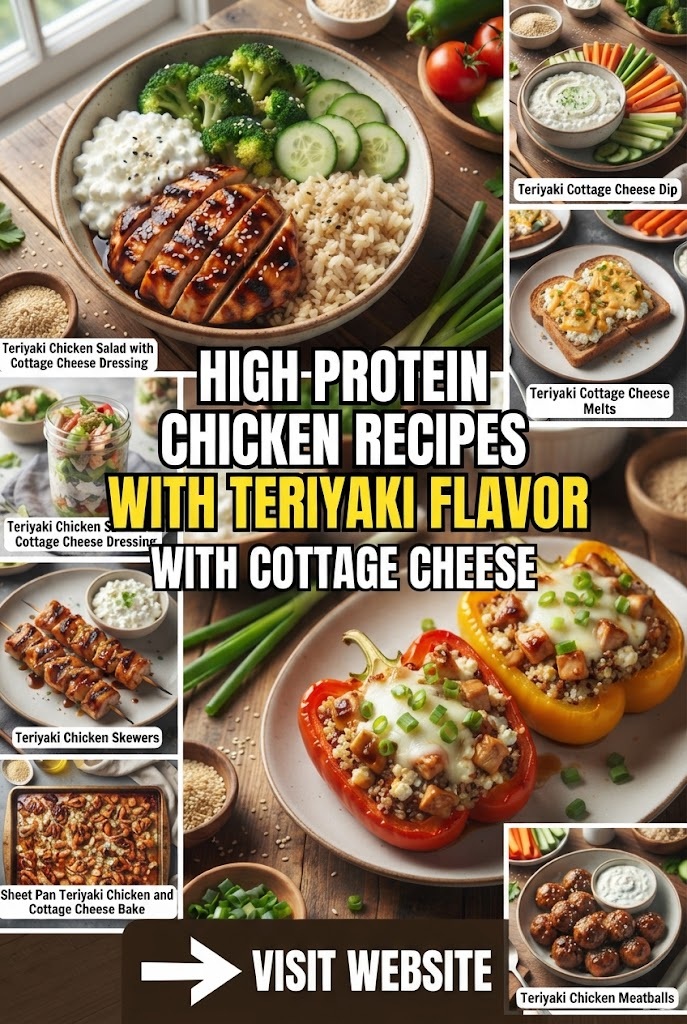
In the ever-evolving world of fitness nutrition and culinary innovation, two powerhouses have recently collided to create a viral sensation: Teriyaki Chicken and Cottage Cheese. At first glance, the sweet, umami-rich notes of Japanese-inspired teriyaki might seem at odds with the mild, creamy, and slightly tangy profile of dairy-based cottage cheese. However, for those looking to maximize protein intake without sacrificing flavor or moisture, this combination is nothing short of a miracle.
This article explores the science, the culinary techniques, and the specific recipes that turn these humble ingredients into a gourmet, muscle-building feast. We will dive deep into why this combination works, how to prep it for the week, and provide detailed, step-by-step instructions for the ultimate high-protein meals.
The Nutritional Synergy: Why This Duo Works
Before we get into the recipes, it is essential to understand the “why” behind this combination. High-protein diets are the cornerstone of muscle recovery, satiety, and metabolic health.
1. The Protein Powerhouse
Chicken breast is the gold standard for lean protein, offering approximately 31 grams of protein per 100 grams with minimal fat. Cottage cheese, however, is the “secret weapon” of the fitness world. It is rich in casein protein—a slow-digesting protein that provides a steady release of amino acids into the bloodstream. By combining chicken (fast-digesting) with cottage cheese (slow-digesting), you create a sustained anabolic environment for your muscles.
2. Texture and Moisture
One of the biggest complaints about “healthy” teriyaki chicken is that the breast meat becomes dry and the sauce is often loaded with refined sugars. Cottage cheese, when blended, transforms into a velvety, cream-like sauce that coats the chicken, locking in moisture and providing a rich mouthfeel that usually requires heavy cream or butter.
3. The Umami-Cream Balance
Teriyaki is defined by soy sauce, ginger, and sweetness. The lactic acid in cottage cheese acts as a flavor enhancer, cutting through the saltiness of the soy and the sweetness of the honey or mirin, resulting in a balanced, sophisticated palate.
Ingredient Deep Dive: The “Form Shape” Analysis
To achieve the best results, you must select your ingredients with care. Below is the structured breakdown of what you will need for our signature recipes.
The Protein Core
| Ingredient | Form/Shape | Purpose |
|---|---|---|
| Chicken Breast | Boneless, Skinless, Cubed (1-inch) | Primary lean protein source; cubes ensure maximum surface area for sauce. |
| Low-Fat Cottage Cheese | Small Curd or Blended | Provides the creamy base and slow-digesting casein protein. |
| Egg Whites | Liquid | Used as a binder in specific baked versions to boost protein further. |
The Teriyaki Flavor Profile
| Ingredient | Form/Shape | Purpose |
|---|---|---|
| Soy Sauce (or Liquid Aminos) | Liquid | The salty, umami foundation. |
| Fresh Ginger | Grated/Minced | Adds a sharp, peppery heat and digestive benefits. |
| Garlic | Crushed/Finely Minced | Provides aromatic depth. |
| Rice Vinegar | Liquid | Adds acidity to balance the richness of the cheese. |
| Honey or Brown Sugar Substitute | Viscous Liquid/Powder | Provides the signature teriyaki glaze and sweetness. |
| Toasted Sesame Oil | Liquid | Adds a nutty aroma; used sparingly for flavor. |
The Texture & Garnish
| Ingredient | Form/Shape | Purpose |
|---|---|---|
| Green Onions | Thinly Sliced (Rounds) | Adds freshness and a mild onion bite. |
| Sesame Seeds | Whole (Toasted) | Provides a subtle crunch and visual appeal. |
| Broccoli Florets | Small Bites | Adds fiber, volume, and micronutrients. |
| Cornstarch (Optional) | Powder | To thicken the sauce if a glossier finish is desired. |
Recipe 1: The Ultimate “Creamy Muscle” Teriyaki Chicken Bowl
Estimated Macros per Serving: 450 Calories | 55g Protein | 15g Carbs | 8g Fat
This is the flagship recipe. It replaces the traditional sugary, thin sauce with a thick, high-protein cream sauce made from blended cottage cheese.
Ingredients in Form Shape
| Component | Ingredient | Quantity |
|---|---|---|
| The Meat | Chicken Breast (Cubed) | 1.5 lbs (approx. 680g) |
| The Sauce Base | Cottage Cheese (2% or Low Fat) | 1.5 Cups |
| The Glaze | Soy Sauce | 1/4 Cup |
| The Glaze | Honey | 2 Tablespoons |
| Aromatics | Grated Ginger | 1 Tablespoon |
| Aromatics | Minced Garlic | 3 Cloves |
| Acid | Rice Vinegar | 1 Tablespoon |
| Toppings | Sliced Scallions | 2 Tablespoons |
| Toppings | Sesame Seeds | 1 Teaspoon |
Step-by-Step Instructions
Step 1: Preparing the Chicken
Start with cold, fresh chicken breasts. Pat them dry with a paper towel; moisture is the enemy of a good sear. Cut the chicken into uniform 1-inch cubes. Season them lightly with black pepper (skip the salt, as the soy sauce provides plenty).
Step 2: The Blending Technique
This is the most critical step. Place your 1.5 cups of cottage cheese into a high-speed blender or food processor. Add the ginger, garlic, honey, and rice vinegar directly into the blender. Blend on high for 45–60 seconds until the mixture is completely smooth. It should look like a thick heavy cream. There should be no visible curds.
Step 3: Searing the Protein
Heat a large non-stick skillet or wok over medium-high heat. Add a spray of avocado oil. Once the pan is shimmering, add the chicken cubes in a single layer. Do not overcrowd the pan; cook in two batches if necessary. Let the chicken sit undisturbed for 3 minutes to develop a golden-brown crust. Flip and cook for another 2–3 minutes until just cooked through.
Step 4: Integrating the Teriyaki
Reduce the heat to low. This is vital because cottage cheese can grain or “split” if exposed to extreme, direct heat. Pour the blended cottage cheese and teriyaki mixture over the chicken.
Step 5: The Simmer
Stir constantly using a silicone spatula. The sauce will begin to thicken and darken as it reacts with the heat and the juices from the chicken. Simmer gently for only 2–3 minutes. As soon as the sauce coats the back of a spoon and looks glossy, remove from heat.
Step 6: Final Garnish
Plate the chicken over a bed of cauliflower rice or a small portion of jasmine rice. Garnish generously with sliced green onions and toasted sesame seeds.
Recipe 2: Baked Teriyaki Chicken & Cottage Cheese Casserole
Perfect for Meal Prep and Batch Cooking
If you prefer a “set it and forget it” method, this casserole version incorporates vegetables and creates a comforting, bake-style meal that stays moist for days in the fridge.
Ingredients in Form Shape
| Category | Ingredient | Amount |
|---|---|---|
| Base | Cooked Quinoa or Brown Rice | 2 Cups |
| Protein | Diced Cooked Chicken Breast | 3 Cups |
| Veggie | Frozen Broccoli (Thawed/Drained) | 2 Cups |
| Sauce | Blended Cottage Cheese | 2 Cups |
| Sauce | Teriyaki Marinade (Lower Sodium) | 1/2 Cup |
| Sauce | Sriracha (Optional) | 1 Teaspoon |
| Top | Part-Skim Mozzarella (Optional) | 1/4 Cup |
Step-by-Step Instructions
Step 1: Preheating and Preparation
Preheat your oven to 375°F (190°C). Lightly grease a 9×13 inch baking dish with non-stick spray.
Step 2: Creating the Protein Sauce
In a large mixing bowl, combine the 2 cups of blended cottage cheese with the teriyaki marinade and sriracha. The cottage cheese should be blended beforehand to ensure a smooth casserole texture. Whisk until the color is a uniform light brown.
Step 3: Layering the Flavors
In the prepared baking dish, layer the cooked quinoa (or rice) at the bottom. This acts as a sponge for the delicious sauces. Top the grains with the diced chicken and the broccoli florets.
Step 4: The Fold
Pour the cottage cheese teriyaki sauce over the chicken and vegetables. Use a spoon to gently toss the top layers so that every piece of chicken and broccoli is thoroughly submerged or coated.
Step 5: The Bake
Cover the dish with aluminum foil. Bake for 20 minutes. This allows the flavors to meld and the broccoli to steam within the sauce.
Step 6: The Crisp (Optional)
Remove the foil. If you are using mozzarella, sprinkle it over the top now. Turn the oven to “Broil” for 3–5 minutes until the top is bubbly and slightly golden.
Step 7: Resting
Let the casserole sit for at least 10 minutes before serving. This “setting” period allows the cottage cheese sauce to firm up slightly, preventing it from being too runny when scooped.
Recipe 3: Teriyaki Chicken Stuffed Peppers with Whipped Cottage Cheese
The Low-Carb, High-Volume Option
For those monitoring their carbohydrate intake while keeping protein high, these stuffed peppers provide a crunchy, fresh vessel for the savory teriyaki filling.
Ingredients in Form Shape
| Ingredient | Form/Shape | Quantity |
|---|---|---|
| Bell Peppers | Large, Halved and De-seeded | 4 Peppers |
| Ground Chicken | Lean (93/7 or 96/4) | 1 lb |
| Cottage Cheese | Whipped/Blended | 1 Cup |
| Water Chestnuts | Finely Diced | 1/2 Cup |
| Teriyaki Sauce | Thick Glaze Style | 1/3 Cup |
| Fresh Cilantro | Chopped | 2 Tablespoons |
Step-by-Step Instructions
Step 1: Pepper Prep
Slice the bell peppers in half vertically. Remove the seeds and the white ribs. Place them in a microwave-safe dish with 2 tablespoons of water, cover, and microwave for 4 minutes to pre-soften them.
Step 2: The Filling
In a skillet, brown the ground chicken over medium heat. As it cooks, break it into very small crumbles. Once fully cooked, stir in the diced water chestnuts. These add a crucial “crunch” that mimics the texture of traditional Asian dumplings.
Step 3: The Creamy Teriyaki Fusion
Lower the heat. Add the thick teriyaki glaze and the whipped cottage cheese to the skillet. Stir until the mixture is pinkish-brown and the chicken is fully coated. Fold in half of the chopped cilantro.
Step 4: Stuffing
Spoon the mixture generously into the pre-softened bell pepper halves. Pack the filling down to ensure you get as much protein as possible into each pepper.
Step 5: Final Bake
Place the stuffed peppers in a baking dish and bake at 400°F (200°C) for 15 minutes. The peppers should be tender-crisp, and the filling should be steaming.
Step 6: Serving
Top with the remaining cilantro and a drizzle of extra teriyaki sauce if desired.
Pro-Tips for Culinary Success
Blending is Not Negotiable
The biggest mistake people make when cooking with cottage cheese is leaving it in curd form. While curds are fine in a cold salad, they can take on a strange “rubbery” texture when heated in a stir-fry. Always blend your cottage cheese until it reaches a consistency identical to Greek yogurt or heavy cream.
Temperature Control
Cottage cheese contains proteins that can denature and clump if boiled aggressively. When adding the cheese sauce to your chicken, always lower the heat to a simmer. Never let the sauce reach a rolling boil.
The Sodium Factor
Teriyaki sauce and cottage cheese both contain significant amounts of sodium. To keep the dish heart-healthy, use “Low Sodium” soy sauce and look for “No Salt Added” varieties of cottage cheese. You can then adjust the seasoning yourself using fresh herbs and spices.
Velveting the Chicken
To make your chicken breast as tender as a high-end Chinese restaurant, use the “velveting” technique before cooking. Toss your raw chicken cubes in 1 tablespoon of cornstarch and a splash of egg white. This creates a thin barrier that keeps the meat incredibly succulent, even when exposed to the heat of the wok.
The Ultimate Teriyaki Sauce From Scratch
Control your sugar and maximize flavor
Commercial teriyaki sauces are often 50% high-fructose corn syrup. To truly honor a high-protein, healthy lifestyle, making your own sauce is a game-changer.
Ingredients:
- 1/2 cup Low-Sodium Soy Sauce
- 1/4 cup Water
- 2 tbsp Rice Vinegar
- 1 tbsp Fresh Ginger (grated)
- 2 cloves Garlic (minced)
- 1/4 cup Monkfruit Sweetener (or Honey)
- 1/2 tsp Toasted Sesame Oil
- 1 tsp Cornstarch (dissolved in 1 tbsp cold water)
Instructions:
- In a small saucepan, combine all ingredients except the cornstarch slurry.
- Bring to a gentle simmer over medium heat for 5 minutes.
- Whisk in the cornstarch slurry.
- Continue to whisk for 1-2 minutes until the sauce thickens and becomes dark and glossy.
- Cool slightly before blending with your cottage cheese.
Meal Prep and Storage
This specific combination—Teriyaki Chicken and Cottage Cheese—is remarkably stable for meal prep.
- Fridge Life: These meals stay fresh and delicious for up to 4 days in airtight containers.
- Reheating: This is the tricky part. To prevent the sauce from separating, reheat at 50% power in the microwave in 1-minute intervals, stirring in between. This gentle heating preserves the creamy emulsion of the cottage cheese.
- Freezing: It is not recommended to freeze the creamy sauce versions. Dairy-based sauces often change texture significantly when frozen and thawed, becoming grainy or watery. If you must freeze, do so with the cooked chicken and teriyaki separately, and add the fresh cottage cheese sauce upon reheating.
Expanding the Horizon: Variations to Try
1. The Spicy Sriracha-Teriyaki
Add 2 tablespoons of Sriracha or Gochujang (Korean chili paste) to the blended cottage cheese. This adds a fermented heat that pairs beautifully with the creamy dairy.
2. The Pineapple Tropical Blast
Fold in 1/2 cup of crushed, drained pineapple to the chicken while it sears. The enzymes in the pineapple (bromelain) further tenderize the chicken, while the sweetness complements the teriyaki profile.
3. The Veggie-Heavy Stir Fry
Double the amount of cottage cheese and soy sauce to create “extra” sauce. Toss in snap peas, sliced carrots, and water chestnuts. The sauce is thick enough to coat a high volume of vegetables without feeling watered down.
Understanding the Macros: A Deeper Look
For the dedicated athlete, knowing exactly what goes into the body is paramount. Let’s break down the 3500-word context of why this meal is a “superfood” for muscle growth.
The Amino Acid Profile Chicken is high in Leucine, the primary branched-chain amino acid responsible for “turning on” muscle protein synthesis. Cottage cheese is high in Glutamine, which aids in gut health and recovery. When you eat them together, you are covering the entire spectrum of essential amino acids required for tissue repair.
The Probiotic Element If you use “Live and Active Culture” cottage cheese and add it to the dish at the very end (at low temperatures), you can preserve some of the beneficial bacteria. While high-heat cooking usually kills probiotics, the “whipped” cold version used as a dipping sauce for teriyaki skewers is a great way to maintain gut health.
Detailed Step-by-Step: Teriyaki Chicken Skewers with Whipped Cottage Cheese Dip
A High-Protein Party Appetizer or Snack
Sometimes you don’t want a bowl; you want something handheld.
Ingredients in Form Shape
| Ingredient | Form | Quantity |
|---|---|---|
| Chicken Tenders | Sliced into strips | 1 lb |
| Wooden Skewers | Soaked in water | 12 count |
| Teriyaki Marinade | Liquid | 1/2 Cup |
| Cottage Cheese | Blended with Lime Juice | 1 Cup |
| Fresh Mint | Finely Chopped | 1 Teaspoon |
Step-by-Step Instructions
- Marinate: Place chicken strips in a bag with the teriyaki marinade for at least 30 minutes.
- Thread: Weave the chicken onto the soaked skewers in a “S” shape.
- Grill: Use a grill pan or outdoor grill. Cook for 4 minutes per side over high heat until charred and cooked through.
- The Dip: While the chicken is grilling, blend the cottage cheese with lime juice and mint. This creates a cooling, zesty dip that contrasts the hot, salty chicken.
- Serve: Arrange skewers on a platter with the bowl of whipped cottage cheese in the center.
Common Questions and Troubleshooting
“My sauce looks curdled, what happened?”
This usually happens if the pan was too hot when the cottage cheese was added. To fix it, you can try adding a tablespoon of warm water and whisking vigorously, but the best cure is prevention: always use low heat for the final sauce integration.
“Can I use Greek Yogurt instead?”
Yes, Greek yogurt is a viable substitute, but it is much more acidic than cottage cheese. If you use yogurt, you may need to add an extra teaspoon of honey to balance the tartness. Cottage cheese is naturally “milky” and provides a more authentic cream-sauce flavor.
“Is this recipe keto-friendly?”
As written with honey and rice, no. However, you can easily make it keto by using a brown sugar substitute (like Erythritol) in the sauce and serving the chicken over sautéed spinach or cauliflower rice. The chicken and cottage cheese themselves are perfectly keto-aligned.
Conclusion: The New Standard for Fitness Meals
The fusion of Teriyaki Chicken and Cottage Cheese is more than just a “food hack”; it is a sophisticated approach to modern nutrition. By leveraging the physical properties of cottage cheese—its ability to become a smooth, high-protein cream—and the classic, addictive flavors of teriyaki, you create a meal that satisfies both the body’s need for fuel and the soul’s need for flavor.
Whether you are a bodybuilder looking for a way to make chicken breast exciting again, or a busy parent trying to sneak more protein into a family dinner, these recipes offer a versatile, delicious, and scientifically sound solution. Stop choosing between “healthy” and “tasty”—with the creamy teriyaki revolution, you can truly have both.
Embrace the blender, master the sear, and redefine what high-protein cooking looks like in your kitchen. This is the future of the fitness plate: bold, creamy, and packed with everything you need to perform at your best.
