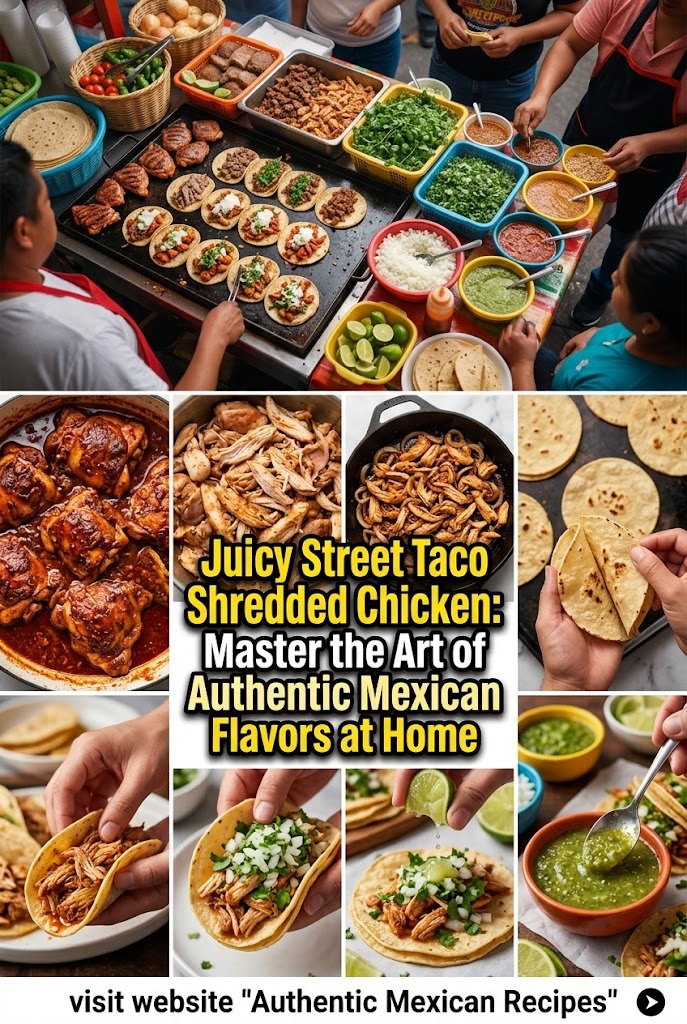
The humble street taco is more than just a meal; it is a cultural phenomenon. From the bustling corners of Mexico City to the vibrant food truck scenes in Los Angeles and Austin, the aroma of seasoned meat and warm corn tortillas is universal. While many associate street tacos with al pastor or carne asada, there is one protein that often goes underrated despite its incredible versatility: shredded chicken.
However, anyone who has tried to recreate this at home knows the common pitfall—dry, bland, and stringy meat that pales in comparison to the succulent, flavor-packed chicken found at a professional taquería. Making truly juicy street taco shredded chicken is an art form that balances heat, acidity, fat, and time. This comprehensive guide will walk you through every nuance of the process, ensuring your home kitchen produces tacos that rival the best street vendors in the world.
The Secret to Juiciness: Why Most Home Recipes Fail
Before we dive into the ingredients, we must address the “dry chicken” epidemic. Most home cooks overcook their chicken or use the wrong cut.
- The Cut of Meat: While chicken breast is lean and healthy, it has almost no fat or connective tissue. When shredded and exposed to air, it dries out instantly. Chicken thighs, on the other hand, are rich in intramuscular fat and collagen, which melt during the cooking process to create a self-basting environment.
- The Cooking Temperature: Boiling chicken in plain water is a recipe for flavorless meat. You aren’t just cooking the chicken; you are braising it.
- The Post-Shredding Soak: The biggest mistake people make is shredding the chicken and serving it immediately. For the juiciest results, the shredded meat must be tossed back into its concentrated cooking juices to reabsorb the flavors.
Choosing Your Ingredients: The Foundation of Flavor
To achieve an authentic “street” flavor profile, you need a balance of smoky, spicy, and citrusy notes.
The Protein
As mentioned, boneless, skinless chicken thighs are the gold standard. If you must use breasts, use a 50/50 mix of breast and thigh to maintain some moisture.
The Aromatics and Spices
- Garlic and Onions: These are non-negotiable. Fresh white onion and plenty of smashed garlic cloves provide the base savory notes.
- Dried Chilies: To get that deep, red, authentic color and smoky flavor, use dried Guajillo or Ancho chilies. They aren’t overly spicy but offer a complex earthiness.
- Chipotles in Adobo: These add a smoky heat that defines many modern street taco recipes.
- Cumin and Mexican Oregano: Note the “Mexican” oregano. It is citrusy and earthy, whereas Mediterranean oregano is more minty and savory.
- The Acid: Fresh lime juice and a splash of orange juice mimic the traditional “naranja agria” (sour orange) used in Yucatan-style cooking.
The Master Recipe: Step-by-Step Juicy Shredded Chicken
This method focuses on a slow-braising technique that can be adapted for a Dutch oven, slow cooker, or Instant Pot.
Ingredients List
For the Chicken:
- 3 lbs Boneless, skinless chicken thighs
- 1 Large white onion, quartered
- 6 Cloves of garlic, smashed
- 2 Dried Guajillo chilies (stems and seeds removed)
- 1-2 Chipotles in adobo sauce (plus 1 tablespoon of the sauce)
- 2 cups Chicken bone broth (for extra collagen and richness)
- The juice of 2 limes
- The juice of 1 orange
The Spice Rub:
- 1 tbsp Smoked paprika
- 2 tsp Ground cumin
- 2 tsp Dried Mexican oregano
- 1 tsp Onion powder
- 2 tsp Kosher salt
- 1 tsp Coarse black pepper
- 1/2 tsp Cinnamon (a secret ingredient for depth)
Phase 1: The Sear (Optional but Recommended)
While you can throw everything into a pot, searing the chicken thighs first creates a Maillard reaction, adding a layer of savory “umami” that you can’t get from boiling alone. Heat a tablespoon of high-smoke-point oil (like avocado oil) in a heavy skillet and sear the thighs for 2-3 minutes per side until golden brown.
Phase 2: Building the Braising Liquid
In your pot or slow cooker, combine the chicken bone broth, lime juice, orange juice, smashed garlic, quartered onions, dried chilies, and chipotles. Stir in the spices until well combined.
Phase 3: The Slow Braise
Submerge the chicken in the liquid.
- Dutch Oven: Cover and bake at 300°F (150°C) for about 2 to 2.5 hours.
- Slow Cooker: Cook on “Low” for 6-7 hours or “High” for 3-4 hours.
- Instant Pot: Manual High Pressure for 15 minutes with a natural release for 10 minutes.
Phase 4: The Shred and The Soak
Once the chicken is tender enough to fall apart with a fork, remove it from the liquid and let it rest for 10 minutes. This rest is crucial; if you shred it while it’s piping hot, all the steam (moisture) escapes.
While the chicken rests, strain the braising liquid. Discard the solids (onions, garlic, chili skins) and simmer the liquid in a pan until it reduces by half. This concentrates the flavors into a “taco gold” sauce.
Shred the chicken using two forks or a stand mixer with the paddle attachment. Once shredded, pour the reduced braising liquid over the meat and toss.
The “Crispy Edge” Secret: The Skillet Finish
If you want to take your tacos to the professional level, don’t serve the chicken straight from the pot.
Heat a large non-stick or cast-iron skillet over medium-high heat with a teaspoon of oil. Spread the shredded, saucy chicken in a thin layer. Let it sit undisturbed for 3-4 minutes. The bottom will develop crispy, caramelized bits while the rest remains succulent. Toss it briefly and serve immediately. This contrast in texture is what separates home cooks from street food legends.
The Anatomy of the Perfect Street Taco
A great taco isn’t just about the meat; it’s about the harmony of the components.
1. The Tortilla
Street tacos traditionally use small corn tortillas. To make them taste like they came from a truck:
- Avoid the Microwave: Microwaving makes tortillas gummy.
- The Dry Skillet Method: Heat them on a hot, dry griddle (comal) until they develop charred spots.
- The Oil Dip: For a truly decadent experience, lightly dip the edge of the tortilla in the chicken juices before hitting the griddle. This is a common technique used in birria tacos.
2. The Essential Toppings
Authentic street tacos do not use shredded cheddar cheese or sour cream. Keep it simple:
- Finely Diced White Onion: Provides a sharp, fresh crunch.
- Fresh Cilantro: Adds a bright, herbal note.
- Radish Slices: The pepperiness and crunch are essential for texture.
- Pickled Red Onions: These provide the necessary acidity to cut through the fat of the chicken.
- Limes: Always serve with extra lime wedges. A fresh squeeze of acid right before the first bite wakes up all the other flavors.
3. The Salsa
You need a heat source.
- Salsa Verde: Made with roasted tomatillos and serrano peppers for a zesty, tangy kick.
- Salsa Roja: Made with charred tomatoes and dried Arbol chilies for a smoky, lingering heat.
- Creamy Avocado Salsa: Blend avocado, lime, cilantro, and jalapeño for a cooling yet spicy topping.
Regional Variations to Try
Once you master the base recipe, you can experiment with regional Mexican flavor profiles:
Yucatan Style (Pollo Pibil)
Use Achiote paste (annatto seed paste) in your braising liquid. This gives the chicken a vibrant orange-red color and a distinct earthy, floral flavor. Wrap the chicken in banana leaves during the braising process for a truly authentic touch.
Central Mexico (Chicken Tinga)
Increase the amount of Chipotles in Adobo and add sliced onions to the braise that stay in the final dish. Tinga is characterized by its heavy tomato and smoky chipotle base.
Tex-Mex Fusion
Incorporate chili powder and serve the shredded chicken in flour tortillas with a bit of Monterey Jack cheese and pickled jalapeños.
Troubleshooting Common Issues
“My chicken is still dry even though I used thighs.”
This usually happens if the chicken is cooked at too high a temperature for too long, causing the protein fibers to tighten and squeeze out moisture. Always aim for a “low and slow” approach. Additionally, ensure you didn’t skip the step of re-adding the reduced cooking liquid back to the meat.
“The flavor is flat.”
Salt and acid are usually the culprits. Add a pinch more salt or a generous squeeze of lime. If it still feels thin, a teaspoon of sugar or honey can help balance the acidity and bring out the spices.
“It’s too spicy.”
If you accidentally overdid the chipotles, don’t worry. You can balance the heat by adding a dollop of Mexican Crema or Greek yogurt to the finished taco, or by increasing the amount of lime juice in the meat.
Storing and Reheating for Meal Prep
One of the best things about shredded chicken is that it tastes even better the next day as the flavors continue to marry.
- Fridge: Store in an airtight container with plenty of the braising liquid for up to 4 days.
- Freezer: This chicken freezes beautifully. Place it in freezer bags, squeeze out the air, and freeze for up to 3 months.
- Reheating: Avoid the microwave if possible. Reheat in a skillet with a splash of chicken broth or water to keep it from drying out. This will also allow you to get those crispy edges again.
Pairing Your Tacos: Beyond the Tortilla
While tacos are the star, you can build a full Mexican feast around this shredded chicken:
- Mexican Street Corn (Elote): Charred corn on the cob slathered in mayo, cotija cheese, chili powder, and lime.
- Cilantro Lime Rice: A light, fluffy accompaniment to soak up any extra juices.
- Refried Black Beans: Seasoned with epazote or cumin for a creamy side dish.
- Drinks: Serve with cold Horchata (a sweet rice milk drink) or a classic Margarita with a salt rim to complement the smokiness of the chicken.
The Role of Fat in Street Tacos
In the world of professional cooking, fat carries flavor. Street vendors often cook their meat in a “choricera” or a large stainless steel vat where fat renders and coats the meat. To replicate this at home without a deep fryer, you can add a tablespoon of lard or bacon grease to your braising liquid. While it sounds indulgent, it provides that authentic “mouthfeel” that distinguishes restaurant-quality tacos from “diet” versions.
Using Leftovers Creatively
If you find yourself with a large batch of juicy shredded chicken, the possibilities extend far beyond tacos:
- Enchiladas Suizas: Roll the chicken in corn tortillas, cover with salsa verde and Swiss cheese, and bake.
- Tostadas: Spread refried beans on a crispy flat corn tortilla, pile on the chicken, lettuce, and crema.
- Mexican Chicken Salad: Mix the cold shredded chicken with a little mayo, lime juice, and diced celery for a taco-inspired lunch.
- Quesadillas: Fold the chicken and cheese into a large flour tortilla and grill until the cheese is gooey and the outside is crisp.
Conclusion: Bringing the Street to Your Kitchen
Making juicy street taco shredded chicken at home is a rewarding process that transforms simple ingredients into a gourmet experience. By choosing the right cut of meat, respecting the braising process, and never skipping the “flavor soak,” you can produce meat that is tender, vibrant, and incredibly succulent.
The beauty of the street taco lies in its customization. Whether you prefer a blow-your-head-off spicy salsa or a mild, citrusy finish, the shredded chicken serves as the perfect canvas for your culinary creativity. So, fire up your stove, char those tortillas, and get ready to serve the best tacos your friends and family have ever tasted. The secret is out: juiciness is just a slow-braise away.
