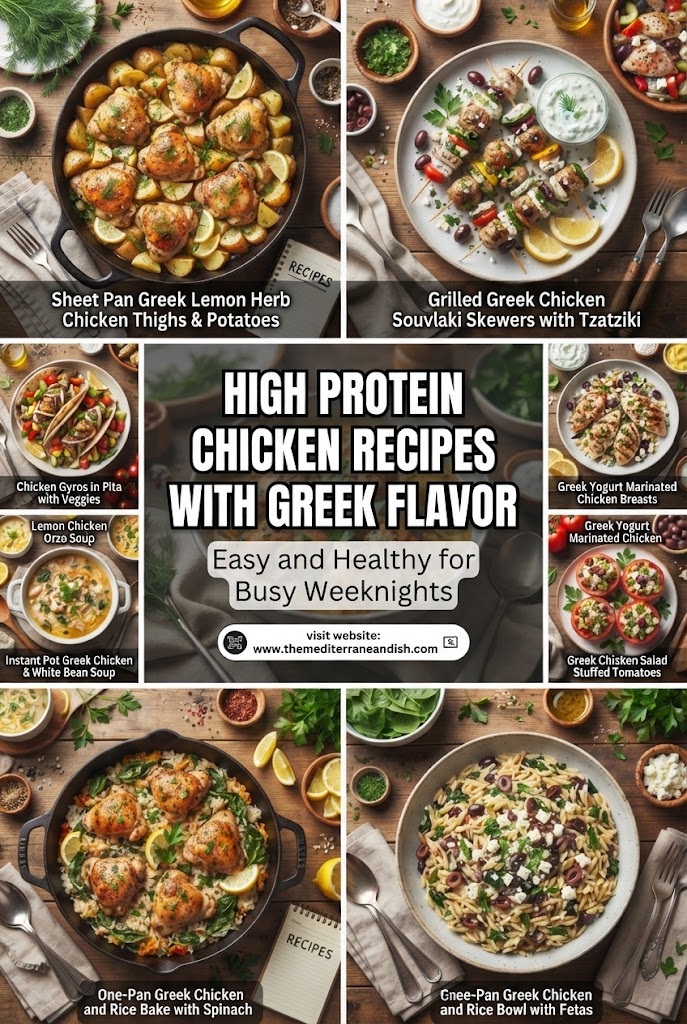
The intersection of health, flavor, and convenience is often difficult to navigate. However, Greek cuisine—a cornerstone of the Mediterranean diet—offers a perfect solution. By focusing on lean proteins, heart-healthy fats, and vibrant herbs, Greek-inspired chicken dishes provide a nutritional powerhouse that doesn’t sacrifice taste. For the busy professional, the dedicated athlete, or the parent on the go, these high-protein recipes offer a way to fuel the body while indulging the palate.
In this comprehensive guide, we will explore the science behind the high-protein Greek diet, master the art of the Mediterranean marinade, and provide step-by-step instructions for the best Greek chicken recipes that can be whipped up in under 30 minutes.
The Essential Greek Pantry: Ingredient Detail Form
Before diving into the recipes, it is vital to understand the “building blocks” of Greek flavor. Use this structured form to ensure your pantry is stocked with the right macro-friendly ingredients.
| Category | Ingredient | Nutritional/Flavor Benefit | Form/Preparation |
|---|---|---|---|
| Protein Base | Boneless Chicken Breast | High protein, low fat, 31g protein per 100g. | Cubed, pounded thin, or whole. |
| Protein Base | Greek Yogurt (Plain) | Probiotics, high protein, creaminess without mayo. | 0% or 2% fat for lean options. |
| Healthy Fats | Extra Virgin Olive Oil | Monounsaturated fats, polyphenols, rich aroma. | Cold-pressed, first harvest. |
| Aromatics | Fresh Garlic | Allicin for heart health, pungent flavor base. | Minced or crushed. |
| Acid | Fresh Lemon Juice | Vitamin C, cuts through fat, tenderizes meat. | Zested and juiced. |
| Herbs | Dried Oregano | Antioxidants, the “signature” Greek scent. | Rubbed between palms to release oils. |
| Herbs | Fresh Dill/Parsley | Brightness, aids digestion. | Finely chopped for garnishing. |
| Salty/Tangy | Feta Cheese | Calcium, sharp tang, adds texture. | Crumbled or blocked in brine. |
| Vegetables | Kalamata Olives | Healthy fats, fermented benefit, salty punch. | Pitted and halved. |
| Vegetables | English Cucumber | Hydration, low calorie, crunch. | Diced or grated for Tzatziki. |
Why Greek Flavors for High-Protein Cooking?
High-protein diets often fall into the “chicken and broccoli” rut—bland, dry, and repetitive. Greek cuisine solves this through three specific culinary techniques:
- Acidic Marination: The use of lemon and vinegar breaks down the tough fibers in chicken breast, ensuring it remains juicy even when cooked at high heat.
- Yogurt-Based Tenderization: The lactic acid in Greek yogurt provides a slower, gentler tenderization than citrus alone, creating a “crust” that locks in moisture.
- The Herb Profile: Oregano, rosemary, and thyme provide “high-impact” flavor for zero calories, making it easier to stick to a caloric deficit or a clean bulk.
Recipe 1: The 20-Minute Lemon Garlic Greek Chicken Skillet
This is the quintessential “busy weeknight” meal. It uses one pan and focuses on a searing technique that keeps the chicken succulent.
Ingredients Form
| Component | Item | Quantity |
|---|---|---|
| Protein | Chicken Breast (Thin-sliced) | 1.5 lbs |
| Fat | Extra Virgin Olive Oil | 2 tbsp |
| Seasoning | Dried Oregano | 1 tbsp |
| Seasoning | Garlic Powder & Salt | 1 tsp each |
| Liquid | Chicken Broth (Low Sodium) | 1/2 cup |
| Acid | Lemon Juice | 1 large lemon |
| Garnish | Fresh Parsley | 1/4 cup chopped |
Step-by-Step Instructions
- Prep the Chicken: If your chicken breasts are thick, slice them horizontally into “cutlets” or pound them to an even half-inch thickness. This ensures they cook quickly and evenly without drying out.
- Seasoning: In a small bowl, mix the oregano, garlic powder, salt, and black pepper. Rub this mixture generously over both sides of the chicken.
- The Sear: Heat the olive oil in a large skillet over medium-high heat. Once the oil shimmers, add the chicken. Cook for 4–5 minutes per side until a golden-brown crust forms. Remove chicken and set aside on a plate.
- Deglazing: Lower the heat to medium. Pour the chicken broth and lemon juice into the hot skillet. Use a wooden spoon to scrape the “fond” (the brown bits) off the bottom of the pan—this is where the flavor lives.
- Simmer: Let the liquid reduce by half (about 3 minutes).
- Combine: Place the chicken back into the pan, coating it in the lemon-garlic reduction. Let it heat through for 1 minute.
- Serve: Garnish with fresh parsley and serve alongside roasted asparagus or quinoa.
Recipe 2: High-Protein Chicken Souvlakis with Homemade Tzatziki
Souvlaki is the ultimate Greek street food. By making it at home, you control the fat content and maximize the protein by using a Greek-yogurt-based sauce.
Ingredients Form
| Component | Item | Quantity |
|---|---|---|
| Main | Chicken Thighs (Skinless/Boneless) | 2 lbs |
| Marinade | Red Wine Vinegar | 3 tbsp |
| Marinade | Garlic (Minced) | 4 cloves |
| Tzatziki | Plain 0% Greek Yogurt | 2 cups |
| Tzatziki | Cucumber (Grated/Squeezed) | 1 medium |
| Tzatziki | Fresh Dill | 2 tbsp |
| Skewer | Red Onion & Bell Pepper | 1 each (large chunks) |
Step-by-Step Instructions
- Marinate: Cube the chicken into 1-inch pieces. In a large bowl, whisk together olive oil, red wine vinegar, minced garlic, and 2 tablespoons of oregano. Toss the chicken in this mixture and refrigerate for at least 30 minutes (or up to 4 hours).
- Prepare Tzatziki: While the chicken marinates, grate the cucumber. Crucial Step: Place the grated cucumber in a paper towel or cheesecloth and squeeze out every drop of excess water. Mix the dry cucumber with Greek yogurt, dill, a splash of lemon, and a pinch of salt. Set aside in the fridge.
- Assemble Skewers: Thread the chicken onto wooden or metal skewers, alternating with chunks of red onion and green bell pepper.
- Grilling: Heat a grill or indoor grill pan to high heat. Lightly oil the grates. Grill the skewers for 10–12 minutes, turning occasionally, until the chicken reaches an internal temperature of 165°F (74°C).
- Assembly: Serve the skewers directly over a bed of spinach or inside a high-fiber whole-wheat pita with a massive dollop of the protein-rich Tzatziki.
Recipe 3: Baked Feta and Spinach Stuffed Chicken Breasts
This recipe is inspired by Spanakopita but replaces the phyllo pastry with a lean chicken breast to keep the protein-to-carb ratio high.
Ingredients Form
| Component | Item | Quantity |
|---|---|---|
| Protein | Large Chicken Breasts | 4 units |
| Filling | Frozen Spinach (Thawed/Drained) | 1 cup |
| Filling | Feta Cheese (Crumbled) | 1/2 cup |
| Filling | Low-fat Cream Cheese | 2 tbsp |
| Flavor | Nutmeg & Black Pepper | Pinch each |
| Coating | Smoked Paprika | 1 tsp |
Step-by-Step Instructions
- Preheat: Set your oven to 400°F (200°C).
- The Filling: In a medium bowl, combine the drained spinach (ensure it is very dry), crumbled feta, cream cheese, and a pinch of nutmeg. The cream cheese helps bind the feta and spinach so it doesn’t leak out during baking.
- The Pocket: Using a sharp paring knife, cut a slit into the thickest part of the chicken breast to create a pocket. Be careful not to cut all the way through.
- Stuffing: Stuff about 2–3 tablespoons of the spinach-feta mixture into each chicken breast. Secure the opening with 2-3 toothpicks.
- Seasoning: Rub the outside of the chicken with a tiny bit of olive oil, salt, pepper, and smoked paprika for color.
- Baking: Place on a parchment-lined baking sheet. Bake for 25–30 minutes depending on the thickness.
- Resting: Let the chicken rest for 5 minutes before slicing. This allows the cheese to set and the juices to redistribute.
Recipe 4: Mediterranean Sheet Pan Chicken & Rainbow Veggies
Sheet pan meals are the gold standard for busy weeknights because they require minimal cleanup.
Ingredients Form
| Component | Item | Quantity |
|---|---|---|
| Base | Chicken Breast Cubes | 1.5 lbs |
| Veggie 1 | Cherry Tomatoes | 1 pint |
| Veggie 2 | Zucchini (Sliced) | 2 medium |
| Veggie 3 | Red Bell Pepper (Chopped) | 1 large |
| Veggie 4 | Red Onion (Wedged) | 1 medium |
| Extras | Kalamata Olives | 1/4 cup |
| Seasoning | Dried Oregano & Thyme | 1 tbsp total |
Step-by-Step Instructions
- Preparation: Chop all your vegetables into roughly the same size to ensure even cooking. Keep the chicken cubes slightly larger than the veggies.
- Tossing: On a large rimmed baking sheet, toss the chicken, tomatoes, zucchini, peppers, and onions with 2 tablespoons of olive oil, dried herbs, salt, and pepper.
- Arrangement: Spread everything out in a single layer. Do not crowd the pan, or the vegetables will steam instead of roasting.
- Roasting: Bake at 425°F (220°C) for 20 minutes.
- The Finish: At the 20-minute mark, remove the pan and sprinkle the Kalamata olives and some optional crumbled feta over the top. Return to the oven for another 5 minutes.
- Final Touch: Squeeze fresh lemon juice over the entire pan immediately after removing it from the oven. The heat will help the lemon juice penetrate the roasted vegetables.
Mastering the Greek Marinade: The “Golden Ratio”
For those who want to experiment, understanding the “Golden Ratio” of a Greek marinade is essential. This allows you to prep chicken in bulk for the week ahead.
- 3 Parts Oil: Extra Virgin Olive Oil (Healthy fats, carrier for flavor).
- 1 Part Acid: Lemon juice or Red Wine Vinegar (Tenderizer).
- Aromatics: 2 cloves of garlic per pound of meat.
- The Herb Factor: 1 tablespoon of dried oregano per pound of meat.
- The Secret Ingredient: A teaspoon of honey or maple syrup. While not traditional, the small amount of sugar helps the chicken caramelize (Maillard reaction) on the grill or pan.
Meal Prep Strategy
To save time, place 1 lb of chicken in a gallon-sized freezer bag with the marinade. You can freeze these bags flat. As the chicken thaws in the fridge the night before you cook it, it marinates simultaneously.
Nutritional Breakdown: Why This Works for Fitness Goals
When we look at these Greek recipes through the lens of sports nutrition, the benefits are clear:
1. High Thermic Effect of Food (TEF)
Chicken breast is almost pure protein. Protein has a higher TEF than fats or carbs, meaning your body burns more calories simply digesting the chicken than it does digesting a bowl of pasta.
2. Satiety and Volume
By pairing the chicken with high-fiber Greek vegetables (cucumbers, peppers, tomatoes), you increase the volume of your meal without significantly increasing the calories. This “volume eating” strategy is key for weight management.
3. Gut Health
The inclusion of Greek yogurt in sauces like Tzatziki provides probiotics. A healthy gut microbiome is linked to better nutrient absorption, which is vital when you are consuming high amounts of protein for muscle repair.
Recipe 5: Slow Cooker “Pulled” Greek Chicken (For Meal Prep)
Sometimes you don’t even have 20 minutes in the evening. This “set it and forget it” recipe is perfect for Sunday meal prep.
Ingredients Form
| Component | Item | Quantity |
|---|---|---|
| Protein | Boneless Chicken Thighs | 3 lbs |
| Liquid | Lemon Juice & Chicken Broth | 1/2 cup each |
| Seasoning | Dried Oregano | 2 tbsp |
| Seasoning | Onion Powder | 1 tbsp |
| Flavor | Bay Leaves | 2 units |
| Finish | Fresh Dill | 1/2 cup |
Step-by-Step Instructions
- Layering: Place the chicken thighs in the bottom of the slow cooker.
- Liquids: Pour in the lemon juice and broth. Sprinkle the oregano, onion powder, salt, and pepper over the top. Add the bay leaves.
- Cooking: Cover and cook on LOW for 6–7 hours or HIGH for 3–4 hours.
- Shredding: Once the chicken is tender and falling apart, remove it from the slow cooker and place it in a large bowl. Use two forks to shred the meat.
- Moisture: Add back 1/2 cup of the cooking liquid from the slow cooker to keep the shredded chicken moist.
- Storage: Store in airtight containers. Throughout the week, you can add this chicken to salads, wraps, or grain bowls for an instant high-protein meal.
The Art of the Greek Side Dish: Completing the Meal
To maintain the high-protein, healthy theme, what you serve with the chicken is just as important as the chicken itself.
Quinoa “Tabbouleh”
Instead of using bulgur wheat, use quinoa. Quinoa is a complete protein, containing all nine essential amino acids. Mix cooked quinoa with chopped parsley, mint, tomatoes, and lemon juice for a Greek-style side that packs a protein punch.
Roasted Chickpeas
If you need an extra crunch, toss a can of chickpeas in olive oil and oregano and roast them at 400°F until crispy. They serve as a high-fiber, high-protein alternative to croutons in a Greek salad.
Cauliflower “Rice” Skordalia
Traditional Skordalia is a potato and garlic puree. For a lower-carb, healthier version, blend steamed cauliflower with plenty of garlic, olive oil, and a touch of almond flour for thickness. It provides the same creamy satisfaction with a fraction of the calories.
Deep Dive into Ingredients: The Science of Quality
To truly elevate these recipes, one must understand the quality of ingredients. Not all Greek ingredients are created equal.
Feta Cheese: Sheep vs. Cow
Traditional Greek Feta is made from sheep’s milk (sometimes mixed with goat’s milk). It is richer in A2 proteins, which many people find easier to digest than the A1 proteins found in cow’s milk. Sheep’s milk feta also has a higher nutritional density. When shopping, look for “Product of Greece” to ensure you are getting the real deal rather than a “salty white cheese” made from cow’s milk.
Olive Oil: The Liquid Gold
The polyphenols in extra virgin olive oil are powerful antioxidants. In Greek cooking, olive oil is used both as a cooking medium and a finishing oil. For these recipes, use a standard EVOO for the pans and a high-quality, peppery Greek olive oil (like Koroneiki variety) to drizzle over the finished dish.
The Power of Oregano
Greek oregano (Origanum vulgare) is significantly more potent than the Mexican variety often found in grocery stores. It contains carvacrol and thymol, which have antimicrobial properties. When using dried oregano, always crush it between your palms before adding it to the chicken to “wake up” the essential oils.
Recipe 6: Greek Chicken Power Bowls with Cauliflower Rice
This recipe is designed for the ultimate “clean eating” day. It is low-carb, high-protein, and packed with micronutrients.
Ingredients Form
| Component | Item | Quantity |
|---|---|---|
| Protein | Grilled Greek Chicken (Recipe 1) | 1 lb |
| Base | Frozen Cauliflower Rice | 2 bags (12oz each) |
| Topping | Pickled Red Onions | 1/2 cup |
| Topping | Hummus (Low Fat) | 1/2 cup |
| Topping | Sliced Radishes | 4-5 units |
| Dressing | Tahini & Lemon Juice | 2 tbsp each |
Step-by-Step Instructions
- Prepare the Base: Sauté the cauliflower rice in a pan with a teaspoon of olive oil and a pinch of salt until the moisture evaporates and it starts to lightly brown (about 8 minutes).
- The Dressing: Whisk tahini, lemon juice, and a tablespoon of warm water until smooth. Tahini adds healthy fats and a creamy texture without dairy.
- Assemble: Divide the cauliflower rice into four bowls.
- Add Protein: Slice the pre-cooked Greek chicken and place it on one side of the bowl.
- The “Power” Add-ins: Add a scoop of hummus, a handful of pickled onions, sliced radishes, and a few Kalamata olives.
- Drizzle: Pour the tahini-lemon dressing over the top.
- Serve: This bowl provides a mix of textures—crunchy, creamy, and tender—making it incredibly satisfying.
Tips for Busy Weeknights: Efficiency in the Kitchen
To make these high-protein Greek chicken recipes a permanent part of your lifestyle, you need a system.
1. The “Herb Prep”
On Sunday, wash and chop your parsley, dill, and mint. Store them in a glass jar with a damp paper towel. Fresh herbs make “healthy” food taste “gourmet,” and having them ready to go removes the barrier to using them.
2. Double the Batch
Never cook just one pound of chicken. Even if you are eating alone, cook three pounds. Greek chicken is one of the few proteins that tastes excellent cold, making it perfect for a next-day lunch salad.
3. Use the Air Fryer
Almost all of these recipes can be adapted for the air fryer. For the Lemon Garlic Chicken or Souvlakis, air fry at 400°F (200°C) for 12–15 minutes. The air fryer is exceptional at creating a “charred” exterior similar to a grill, which is essential for Greek flavors.
Frequently Asked Questions (FAQ)
Can I use chicken thighs instead of breasts?
Yes. Chicken thighs are more forgiving and less likely to dry out. However, they contain more fat. If you are strictly monitoring macros for a “cut” or weight loss, stick to breasts. If you prefer flavor and moisture, thighs are the way to go.
Is Feta cheese healthy?
Feta is lower in calories and fat than many other cheeses (like Cheddar or Parmesan). It also has a very strong flavor, meaning you can use a smaller amount to achieve the same taste satisfaction.
How long does marinated chicken last in the fridge?
For the best texture, do not marinate chicken in lemon juice for more than 24 hours. The acid will eventually start to “cook” the meat (like ceviche), making it mushy. 4 to 6 hours is the “sweet spot.”
Final Thoughts on the Greek High-Protein Lifestyle
Adopting a high-protein diet doesn’t mean you have to abandon the joy of eating. Greek cuisine offers a blueprint for meals that are naturally lean, incredibly flavorful, and simple to prepare. By focusing on the “Golden Ratio” of marinades, utilizing structured ingredient lists, and mastering a few key cooking techniques like searing and roasting, you can transform your weeknight dinners.
Whether you’re tucking into a Baked Feta Stuffed Chicken Breast or a quick Sheet Pan Roasted Veggie mix, you’re not just eating—you’re fueling your body with the wisdom of the Mediterranean. These recipes are more than just food; they are a sustainable way to reach your fitness goals while enjoying every single bite.
Master Ingredient Checklist for Shopping
- Meat: 5 lbs Chicken Breast/Thighs
- Dairy: Large tub 0% Greek Yogurt, 1 block Greek Feta
- Produce: 3 Lemons, 1 head Garlic, 2 Cucumbers, 2 Red Onions, 3 Bell Peppers, 1 bag Spinach, 1 bunch Parsley/Dill
- Pantry: Extra Virgin Olive Oil, Red Wine Vinegar, Dried Oregano, Kalamata Olives, Chicken Broth, Quinoa/Cauliflower Rice
By keeping these items in your kitchen, a healthy, high-protein Greek dinner is never more than 20 minutes away. Enjoy the journey to a healthier, more flavorful you!
