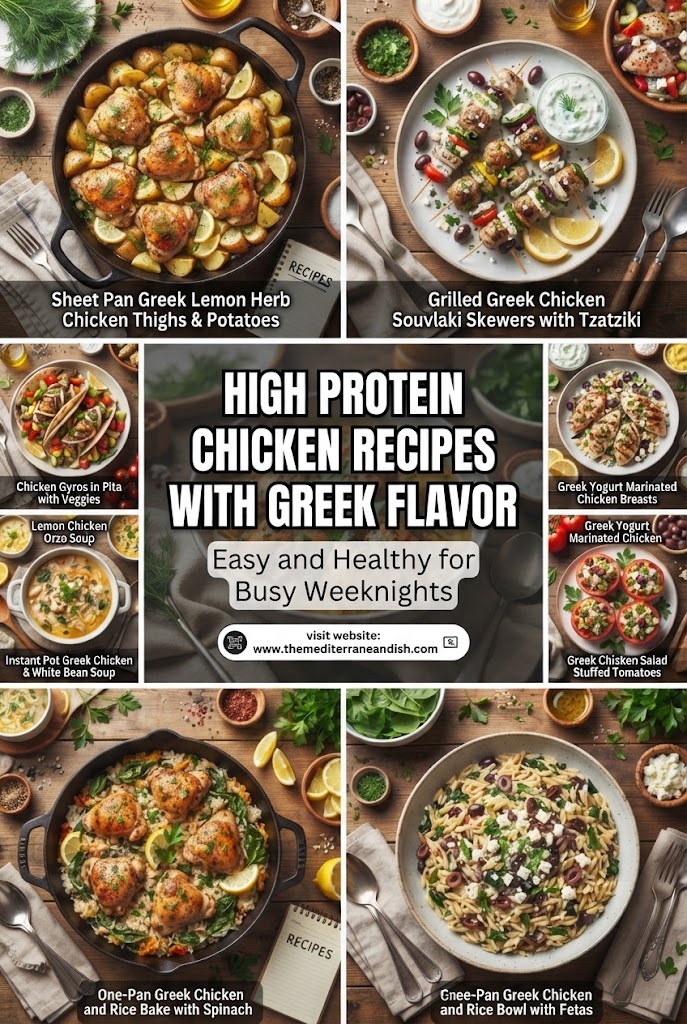
As we approach 2026, the landscape of health and wellness is shifting toward a more personalized, “longevity-first” approach. We are moving beyond simple calorie counting and into the era of functional nutrition, where every macro and micronutrient serves a specific purpose for metabolic health, muscle preservation, and cognitive clarity. At the center of this movement is a timeless staple, reimagined for the modern kitchen: High-Protein Lemon Herb Chicken.
Chicken remains the gold standard for high-quality lean protein, providing all essential amino acids necessary for tissue repair and immune function. However, the 2026 palate demands more than just “boiled chicken and broccoli.” We crave vibrant acidity, fresh aromatics, and cooking techniques that preserve both moisture and nutrient density. Lemon and herbs—ranging from classic rosemary and thyme to more contemporary additions like lemon verbena and micro-basil—offer a sophisticated flavor profile that prevents meal prep fatigue.
This guide provides a comprehensive roadmap for 2026 meal planning, featuring recipes designed for efficiency, high protein yield, and extraordinary flavor.
Why Lemon and Herb? The Science of Flavor and Digestion
In 2026, we understand more about the synergy between ingredients. Lemon isn’t just a flavor enhancer; the citric acid acts as a natural tenderizer, breaking down tough protein fibers before the cooking process even begins. Furthermore, the Vitamin C in lemon juice enhances the absorption of non-heme iron from the herbs and accompanying vegetable sides.
Herbs like rosemary, oregano, and sage are packed with polyphenols. When used in marinades, these antioxidants can actually reduce the formation of heterocyclic amines (HCAs)—potentially harmful compounds formed when meat is cooked at high temperatures. By choosing Lemon Herb Chicken, you aren’t just eating for your muscles; you’re eating for long-term cellular health.
Recipe 1: The “Signature 2026” Air-Fried Lemon-Thyme Chicken Breasts
The air fryer continues to dominate the 2026 kitchen due to its ability to create a “fried” texture with minimal added fats, keeping the protein-to-calorie ratio optimized.
Ingredient Details
| Category | Ingredient | Quantity (4 Servings) | Form/Shape |
|---|---|---|---|
| Protein | Lean Chicken Breast | 1.2 kg (approx. 4 large) | Sliced into even 1-inch thick cutlets |
| Acid | Fresh Meyer Lemon | 2 Large | Zested and Juiced |
| Herb 1 | Fresh Thyme | 4 Sprigs | Leaves stripped and minced |
| Herb 2 | Dried Oregano | 1 Tablespoon | Crushed/Powdered |
| Fat | Extra Virgin Olive Oil | 2 Tablespoons | Cold-pressed liquid |
| Aromatics | Garlic Cloves | 4 Cloves | Finely grated into a paste |
| Seasoning | Sea Salt & Black Pepper | To Taste | Coarse grind |
| Optional | Red Pepper Flakes | 1 Teaspoon | Crushed flakes |
Step-by-Step Preparation
- Preparation of the Cutlets: Start by patting the chicken breasts dry with a paper towel. This is crucial for achieving a golden-brown exterior. Slice each breast horizontally to create even cutlets. This ensures they cook quickly without drying out.
- The 2026 “Power Marinade”: In a large glass bowl, whisk together the olive oil, Meyer lemon juice, lemon zest, grated garlic, minced thyme, and oregano. Meyer lemons are preferred in 2026 for their slightly sweeter, more complex citrus profile.
- The Infusion Process: Submerge the chicken in the marinade. Massage the liquid into the meat for at least 2 minutes. For maximum protein integrity, let it marinate in the refrigerator for 30 minutes to 2 hours. Do not exceed 4 hours, as the acid will begin to “cook” the protein and change the texture.
- Preheating: Set your air fryer to 200°C (390°F). Preheating is a non-negotiable step in 2026 for consistent results.
- Cooking: Place the chicken in the air fryer basket in a single layer. Do not overcrowd. Air fry for 12–15 minutes, flipping halfway through.
- The Internal Temperature Check: Use a digital meat thermometer to ensure the internal temperature reaches 74°C (165°F).
- Resting: Transfer the chicken to a warm plate and cover loosely with foil. Let it rest for 5 minutes. This allows the juices to redistribute, ensuring every bite is moist.
Recipe 2: Slow-Cooked Mediterranean Lemon-Garlic Chicken Thighs
For those who prefer a higher fat-to-protein ratio (ideal for those on a moderate ketogenic or athletic maintenance plan), skinless chicken thighs provide a rich, succulent alternative.
Ingredient Details
| Category | Ingredient | Quantity (6 Servings) | Form/Shape |
|---|---|---|---|
| Protein | Boneless, Skinless Chicken Thighs | 1.5 kg | Trimmed of excess fat |
| Citrus | Standard Lemons | 3 Medium | Sliced into thin rounds |
| Herb 1 | Fresh Rosemary | 3 Sprigs | Whole sprigs for infusion |
| Herb 2 | Fresh Flat-Leaf Parsley | 1 Bunch | Finely chopped for garnish |
| Liquid | Bone Broth (Chicken) | 250 ml | High-collagen liquid |
| Aromatics | Shallots | 3 Large | Finely diced |
| Spices | Smoked Paprika | 1 Tablespoon | Fine powder |
| Salt | Pink Himalayan Salt | 1.5 Teaspoons | Fine grain |
Step-by-Step Preparation
- Searing for Flavor: Even in a slow cooker recipe, searing is vital. Heat a cast-iron skillet over high heat. Season the thighs with salt and smoked paprika. Sear the thighs for 2 minutes per side until a crust forms.
- Layering Aromatics: Place the diced shallots at the bottom of the slow cooker. Layer half of the lemon slices over the shallots.
- The Protein Layer: Arrange the seared chicken thighs on top of the lemon and shallots.
- The Liquid Gold: Pour the chicken bone broth over the chicken. This adds an extra 10-15g of protein to the overall meal via collagen.
- Herb Infusion: Place the rosemary sprigs on top. As they cook, the oils will permeate the meat.
- Slow Cooking: Set the device to “Low” for 5–6 hours or “High” for 3 hours. In 2026, we prioritize low-and-slow cooking to preserve the bioavailability of micronutrients.
- The Finish: Once the chicken is tender and falling apart, discard the rosemary sprigs. Stir in the fresh parsley and the remaining lemon juice just before serving.
Recipe 3: Sheet-Pan Lemon Herb Chicken with Roasted Ancient Grains
Efficiency is the cornerstone of 2026 meal planning. This “all-in-one” method uses the chicken’s natural juices to flavor the accompanying complex carbohydrates.
Ingredient Details
| Category | Ingredient | Quantity (4 Servings) | Form/Shape |
|---|---|---|---|
| Protein | Chicken Breast Tenders | 1 kg | Small, uniform strips |
| Carbohydrate | Pre-soaked Farro or Sorghum | 2 Cups | Cooked al dente |
| Veggie | Asparagus Spears | 1 Bunch | Trimmed ends |
| Herb 1 | Dried Sage | 1 Teaspoon | Rubbed/Crushed |
| Herb 2 | Fresh Dill | ½ Cup | Roughly chopped |
| Citrus | Lemon | 2 Large | Juiced |
| Mustard | Dijon Mustard | 2 Tablespoons | Smooth paste |
| Garlic | Roasted Garlic Paste | 1 Tablespoon | Spreadable |
Step-by-Step Preparation
- Grain Preparation: Ensure your farro or sorghum is soaked and partially cooked. This ensures it doesn’t dry out on the sheet pan.
- The Emulsion: In a small jar, shake together the lemon juice, Dijon mustard, roasted garlic paste, and dried sage. This creates a thick, flavorful glaze.
- Tossing the Ingredients: On a large, parchment-lined sheet pan, toss the chicken tenders, asparagus, and ancient grains with the emulsion. Ensure everything is evenly coated.
- The Arrangement: Spread the ingredients out so they aren’t overlapping. This allows the oven’s heat to circulate, creating crispy edges on the grains.
- Roasting: Bake at 210°C (410°F) for 18–20 minutes. The high heat is necessary to sear the chicken tenders quickly while charring the asparagus.
- The Fresh Element: Immediately after removing from the oven, sprinkle the fresh dill over the pan. The residual heat will release the dill’s aroma without wilting it completely.
The 2026 Approach to Meal Prep Success
Meal planning in 2026 isn’t just about cooking; it’s about the logistics of storage and the science of reheating.
1. The “Cool-Down” Protocol
One of the biggest mistakes in meal prepping is packing hot food into containers. This creates steam, which leads to soggy chicken and bacterial growth.
- Step: Place your cooked Lemon Herb Chicken on a wire cooling rack for 15 minutes before portioning. This maintains the “snap” of the chicken’s exterior.
2. High-Protein Pairing Strategy
To reach the optimal 2026 target of 30-50g of protein per meal, your sides must contribute.
- Pairing A: Quinoa and Chickpea Salad (Adds 8g protein).
- Pairing B: Greek Yogurt Lemon Sauce (Adds 5g protein).
- Pairing C: Steamed Edamame with Sea Salt (Adds 10g protein).
3. Smart Storage
Use vacuum-sealed glass containers if possible. By removing the oxygen, you prevent the fats in the chicken from oxidizing, which is what causes that “leftover” taste. Lemon-based recipes stay fresh for up to 4 days in the refrigerator or 3 months in the freezer.
Recipe 4: Zesty Lemon-Basil Chicken Skewers (The High-Intensity Workout Meal)
Designed for post-workout recovery, these skewers offer rapid protein absorption and a refreshing flavor profile that isn’t heavy on the stomach.
Ingredient Details
| Category | Ingredient | Quantity | Form/Shape |
|---|---|---|---|
| Protein | Chicken Breast | 1 kg | 2-cm Cubes |
| Herb | Fresh Basil Leaves | 2 Cups | Packed |
| Nut/Seed | Pine Nuts (or Sunflower Seeds) | ¼ Cup | Toasted |
| Cheese | Grated Parmesan (Optional) | ¼ Cup | Fine Shavings |
| Acid | Lemon Juice | 3 Tablespoons | Freshly Squeezed |
| Veggie | Yellow Bell Peppers | 2 Large | Square Chunks |
| Skewer | Bamboo or Metal | 12-15 | 8-inch length |
Step-by-Step Preparation
- The Pesto-Style Marinade: In a food processor, blend the basil, pine nuts, lemon juice, and parmesan until a coarse paste forms. This “Lemon-Basil Pesto” will serve as both the marinade and the dipping sauce.
- Skewering: Thread the chicken cubes and bell pepper chunks alternately onto the skewers. Aim for 3-4 pieces of chicken per skewer to ensure a high protein count.
- Coating: Brush the skewers generously with the lemon-basil mixture. Reserve 1/3 of the mixture for after cooking.
- Grilling: Use a grill pan or outdoor grill. Cook over medium-high heat for 4 minutes per side. The sugars in the basil and lemon will caramelize slightly, creating a charred, sweet-and-savory crust.
- Finishing Touch: Once removed from the heat, brush the remaining fresh pesto over the hot skewers. The contrast between the cooked and fresh basil creates layers of flavor.
Recipe 5: Lemon-Ginger Herb Braised Chicken (Anti-Inflammatory Focus)
As we move into 2026, the focus on gut health and anti-inflammatory foods is paramount. This recipe combines the acidity of lemon with the medicinal properties of ginger and turmeric.
Ingredient Details
| Category | Ingredient | Quantity | Form/Shape |
|---|---|---|---|
| Protein | Whole Chicken (Spatcocked) | 1.8 kg | Flattened/Butterflied |
| Root 1 | Fresh Ginger | 3-inch knob | Grated/Juiced |
| Root 2 | Fresh Turmeric | 1-inch knob | Finely minced |
| Herb | Fresh Cilantro/Coriander | 1 Bunch | Stems and leaves separated |
| Citrus | Preserved Lemon | 1 Piece | Rind finely diced |
| Fat | Ghee or Avocado Oil | 2 Tablespoons | Solid/Liquid |
| Liquid | Coconut Water | 100 ml | For electrolytes and sweetness |
Step-by-Step Preparation
- Spatcocking: If not already done, remove the backbone of the chicken and flatten it. This allows for more even protein distribution and faster cooking.
- The Anti-Inflammatory Rub: Mix the grated ginger, turmeric, minced cilantro stems, and ghee. Rub this mixture under the skin and over the surface of the chicken.
- Preserved Lemon Integration: Tuck the diced preserved lemon rind under the skin. Preserved lemons offer a deep, fermented saltiness that fresh lemons lack.
- Braising: Place the chicken in a large heavy-bottomed pot. Pour the coconut water around the edges.
- The Oven Method: Cover and roast at 180°C (350°F) for 45 minutes. Then, uncover and increase the heat to 220°C (425°F) for another 15 minutes to crisp the skin.
- Garnishing: Top with a massive amount of fresh cilantro leaves and an extra squeeze of fresh lemon to brighten the earthy turmeric tones.
Mastering the “Lemon Herb” Flavor Science
To truly excel at 2026 meal planning, one must understand the three components of the lemon herb profile:
1. The Acid (The Brightness)
- Lemon Juice: Provides immediate acidity. Use at the beginning to tenderize and at the end to “wake up” the dish.
- Lemon Zest: Contains essential oils (limonene). This provides the aroma of lemon without the sourness.
- Preserved Lemon: Provides a fermented, salty-acid punch.
2. The Herbs (The Depth)
- Woody Herbs (Rosemary, Thyme, Oregano): These are sturdy and should be added during the cooking process. They withstand high heat and infuse the fats.
- Soft Herbs (Basil, Parsley, Cilantro, Dill): These are delicate. Heat destroys their volatile oils. Always add these at the very end or as a raw garnish to ensure you get the maximum antioxidant benefit.
3. The Salt (The Enhancer)
In 2026, we move away from processed table salt. Use mineral-rich options like Celtic Sea Salt or Smoked Maldon Salt. Salt doesn’t just make things salty; it suppresses bitterness and allows the floral notes of the herbs to shine.
Nutritional Breakdown and 2026 Goals
When planning your week, use the following targets based on current 2026 nutritional guidelines for an active adult:
- Daily Protein Target: 1.6g to 2.2g of protein per kilogram of body weight.
- The 30g Threshold: Each meal should contain at least 30g of protein to trigger Muscle Protein Synthesis (MPS).
- Fiber Integration: Every chicken dish should be accompanied by at least 10g of fiber to support the microbiome.
Sample Meal Plan Day:
- Breakfast: Lemon-Herb Chicken Omelet (35g Protein).
- Lunch: Sheet-Pan Lemon Chicken with Asparagus (40g Protein).
- Dinner: Slow-Cooked Mediterranean Chicken Thighs with Quinoa (45g Protein).
- Total: 120g High-Quality Protein.
Advanced Prep Techniques for the Modern Kitchen
The “Sous-Vide” Hybrid
For those with 2026 kitchen tech, the sous-vide method ensures the chicken never exceeds the perfect temperature.
- Method: Vacuum seal the chicken with lemon slices and rosemary. Cook at 63°C (145°F) for 2 hours.
- The Meal Prep Benefit: You can keep these sealed bags in the fridge for up to a week. When ready to eat, simply sear for 60 seconds in a hot pan.
The Herb-Oil Infusion
Don’t let your herbs go to waste.
- Method: Blend leftover lemon zest, rosemary, and olive oil. Pour into ice cube trays and freeze.
- Usage: Pop one “flavor cube” into a pan when reheating your prepped chicken to restore moisture and flavor instantly.
Sustainable Sourcing in 2026
Healthy meal planning isn’t just about the person eating; it’s about the system. In 2026, we look for:
- Regenerative Organic Certified (ROC): Chicken raised in systems that restore soil health.
- Pasture-Raised: Higher levels of Omega-3 fatty acids compared to grain-fed alternatives.
- Local Sourcing: Reducing the carbon footprint of your meal prep.
The lemon and herbs should also be organic where possible. Citrus skins (zest) are often treated with wax and pesticides; choosing organic ensures your “Lemon Herb” flavor is clean and chemical-free.
Troubleshooting Common Chicken Prep Issues
Even with the best recipes, variables like oven calibration or chicken thickness can cause issues.
“The Chicken is Dry”
- Fix: You likely overcooked it. In 2026, we rely on thermometers, not timers. Remove the chicken at 71°C (160°F) and let carry-over cooking take it to the safe 74°C (165°F).
- Emergency Recovery: Shred the dry chicken and toss it with a mixture of lemon juice, chicken broth, and a little olive oil.
“The Flavor is Muted”
- Fix: You need more acid or salt. Acid (lemon) acts like a volume knob for flavor. If a dish tastes “flat,” add a squeeze of lemon. If it tastes “boring,” add a pinch of salt.
“The Herbs Burnt”
- Fix: If using dried herbs, hydrate them in oil first. If using fresh woody herbs, keep them in larger sprigs rather than mincing them, and remove them after cooking.
Conclusion: The Longevity of Simple Flavors
As we navigate the complexities of health in 2026, the power of High-Protein Lemon Herb Chicken lies in its simplicity and its versatility. It is a nutritional powerhouse that supports muscle mass, metabolic health, and cognitive function, all while satisfying the palate with the timeless combination of bright citrus and earthy botanicals.
By implementing these step-by-step recipes and advanced meal-planning strategies, you are not just preparing food for the week; you are investing in your future self. Whether you are using an air fryer, a slow cooker, or a classic sheet pan, the key remains the same: high-quality protein, vibrant fresh ingredients, and the intention to eat for both performance and pleasure.
Embrace the lemon, honor the herbs, and master your protein. 2026 is the year of the empowered, healthy chef.
