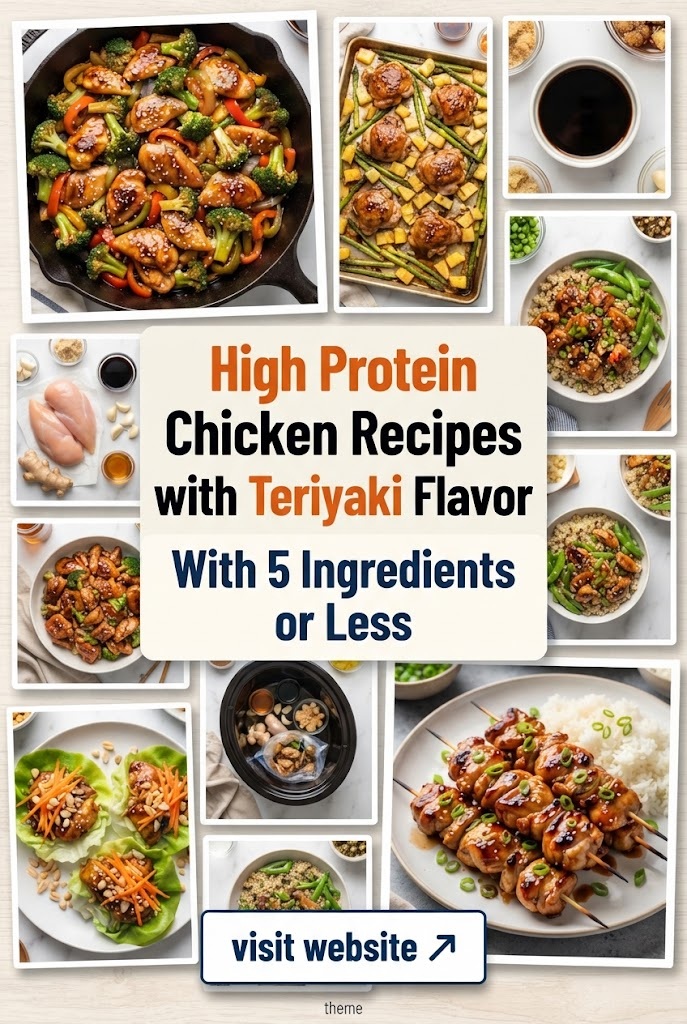
In the fast-paced world of modern fitness and health-conscious living, the kitchen often becomes a battlefield between nutrition and time. We are constantly told that to achieve a high-protein diet capable of fueling muscle growth and maintaining satiety, we must spend hours prepping complex meals with dozens of exotic ingredients. However, the true masters of the kitchen know a secret: simplicity is the ultimate sophistication.
Teriyaki flavor—a perfect harmony of salty, sweet, and umami—is a global favorite for a reason. When paired with the lean, high-quality protein of chicken, it creates a nutritional powerhouse that appeals to the palate and the physique alike. This guide explores the depths of “5 Ingredients or Less” cooking, proving that you don’t need a pantry full of spices to create a gourmet, high-protein masterpiece.
Why Five Ingredients? The Philosophy of Efficient Cooking
The “Five Ingredient Rule” is more than just a gimmick; it is a strategic approach to nutrition. When you limit the number of components in a dish, several things happen:
- Reduced Decision Fatigue: Choosing what to eat becomes easier when the requirements are minimal.
- Cost Efficiency: You spend less on one-off spices or condiments that sit in the back of the cupboard for years.
- Ingredient Quality: With fewer items on the plate, the quality of each ingredient becomes paramount. You learn to appreciate the sear on a chicken breast or the depth of a well-aged soy sauce.
- Faster Cleanup: Fewer bottles and jars mean less mess on the counters and a quicker transition from cooking to eating.
For those pursuing high-protein goals, the 5-ingredient limit ensures that the focus remains squarely on the protein source (chicken) rather than hidden fats and fillers found in complex recipes.
The Nutritional Powerhouse: Chicken and Protein
Before diving into the recipes, let’s look at why chicken remains the king of the high-protein world. A standard 6-ounce serving of boneless, skinless chicken breast provides approximately 52 grams of protein with minimal fat. This makes it an ideal canvas for the bold, savory notes of teriyaki.
Protein is essential for:
- Muscle Repair: Post-workout recovery depends on amino acids.
- Metabolic Rate: Protein has a higher thermic effect of food (TEF) than fats or carbs.
- Satiety: It keeps you full longer, preventing the mid-afternoon snack cravings.
By combining this protein with the “umami” punch of teriyaki, we create a meal that is both physically satisfying and mentally rewarding.
Core Ingredient Breakdown (The Form Shape)
To keep things simple, every recipe in this guide utilizes a selection from these five core categories. By rotating these, you create entirely different textures and flavor profiles.
| Ingredient Category | Recommended Item | Purpose | Protein/Benefit |
|---|---|---|---|
| Primary Protein | Chicken Breast or Thighs | The main structure of the meal. | ~25g-30g protein per 100g. |
| The Flavor Base | Premium Teriyaki Sauce | Provides the salty-sweet glaze. | Umami boost, fermented soy benefits. |
| The Aromatics | Fresh Garlic or Ginger | Adds depth and “zing” to the sauce. | Anti-inflammatory properties. |
| The Texture/Veg | Broccoli, Snap Peas, or Asparagus | Adds fiber and crunch. | High volume, low calorie, micronutrients. |
| The Finisher | Sesame Seeds or Green Onions | Aesthetic appeal and healthy fats. | Adds a nutty finish or fresh bite. |
Recipe 1: The Classic 15-Minute Teriyaki Stir-Fry
This is the “bread and butter” of high-protein meal prepping. It is fast, efficient, and packs a massive protein punch.
Ingredient Details (Form Shape)
| Item | Quantity | Role |
|---|---|---|
| Chicken Breast | 1.5 lbs (Cubed) | High-protein base |
| Teriyaki Sauce | 1/2 Cup | Glaze & Marinade |
| Frozen Broccoli Florets | 2 Cups | Fiber & Volume |
| Minced Garlic | 1 Tablespoon | Flavor enhancer |
| Avocado Oil | 1 Tablespoon | High-heat cooking fat |
Step-by-Step Instructions
- Preparation: Pat the chicken breast dry with paper towels. Cutting the chicken into uniform 1-inch cubes ensures even cooking and maximum surface area for the sauce to cling to.
- The Sear: Heat the avocado oil in a large skillet or wok over medium-high heat. Once the oil is shimmering, add the chicken cubes in a single layer. Do not crowd the pan; work in batches if necessary to ensure the chicken sears rather than steams.
- Aromatic Infusion: When the chicken is golden brown on all sides (about 5-7 minutes), add the minced garlic. Stir constantly for 30 seconds until the garlic becomes fragrant but not burnt.
- The Veggie Drop: Add the frozen broccoli florets directly into the pan. The slight moisture from the frozen vegetables will help deglaze the pan, picking up the browned bits of chicken (the “fond”).
- The Glaze: Pour the teriyaki sauce over the mixture. Reduce the heat to medium and toss everything together. Let it simmer for 3-4 minutes until the sauce thickens into a glossy glaze that coats every piece of chicken and broccoli.
- Serving: Serve immediately. The high protein content paired with the fiber from the broccoli makes this a complete, muscle-building meal.
Recipe 2: Slow-Cooker “Set and Forget” Teriyaki Shredded Chicken
Perfect for busy professionals or those who want to come home to a house smelling of ginger and soy. Shredded chicken offers a different texture that is excellent for meal prep bowls.
Ingredient Details (Form Shape)
| Item | Quantity | Role |
|---|---|---|
| Chicken Thighs | 2 lbs (Boneless/Skinless) | Juicy, tender protein |
| Thick Teriyaki Glaze | 1 Cup | Deep flavor infusion |
| Fresh Ginger | 2-inch knob (Sliced) | Spicy, aromatic kick |
| Red Bell Peppers | 2 Large (Sliced) | Sweetness & Vitamin C |
| Sesame Seeds | 1 Teaspoon | Garnish/Texture |
Step-by-Step Instructions
- Layering: Place the sliced red bell peppers and the slices of fresh ginger at the bottom of the slow cooker. This creates a “rack” for the chicken and allows the flavors to steam upward.
- Protein Placement: Lay the chicken thighs over the vegetables. Thighs are preferred for slow cooking because they contain slightly more fat than breasts, preventing them from drying out during the long cook time.
- The Pour: Pour the teriyaki glaze over the chicken. Do not add water; the chicken and peppers will release enough natural juices to create a rich sauce.
- Slow Cooking: Cover and cook on LOW for 6 hours or HIGH for 3 hours.
- The Shred: Once the chicken is tender enough to fall apart, remove the ginger slices and discard them. Use two forks to shred the chicken directly in the slow cooker, allowing it to soak up all the residual juices.
- Finishing: Sprinkle with sesame seeds before serving. This shredded chicken can be kept in the fridge for up to 5 days, making it the ultimate protein hack.
Recipe 3: Sheet Pan Teriyaki Chicken and Asparagus
Sheet pan meals are the king of convenience. This recipe focuses on caramelization, which brings out the natural sugars in the teriyaki sauce.
Ingredient Details (Form Shape)
| Item | Quantity | Role |
|---|---|---|
| Chicken Tenderloins | 1 lb | Quick-cooking protein |
| Asparagus Spears | 1 Bunch (Trimmed) | Earthy, low-carb side |
| Teriyaki Sauce | 1/3 Cup | Sticky coating |
| Olive Oil | 1 Tablespoon | Roasting agent |
| Black Pepper | To taste | Basic seasoning |
Step-by-Step Instructions
- Oven Prep: Preheat your oven to 400°F (200°C). Line a large baking sheet with parchment paper or foil for easy cleanup.
- Toss and Coat: In a large bowl, toss the chicken tenderloins and trimmed asparagus with olive oil and black pepper.
- Arrange: Spread the chicken and asparagus on the sheet pan. Ensure they are in a single layer so the oven’s heat can circulate around them.
- Initial Roast: Bake for 10 minutes. This “sets” the protein and begins the roasting process for the vegetables.
- The Glazing Phase: Remove the tray from the oven. Using a pastry brush or spoon, generously coat the chicken and asparagus with the teriyaki sauce.
- The Caramelize: Return the tray to the oven and bake for another 5-8 minutes. For an extra sticky finish, turn on the broiler for the last 2 minutes, watching closely to ensure the sauce bubbles and chars slightly without burning.
- Nutritional Note: This meal is exceptionally lean, making it perfect for those in a “cutting” or weight-loss phase who still need high protein.
Recipe 4: Air Fryer Teriyaki Chicken “Bites”
If you want crispy edges without deep frying, the air fryer is your best friend. These bites feel like “cheat meal” food but are actually pure, lean protein.
Ingredient Details (Form Shape)
| Item | Quantity | Role |
|---|---|---|
| Chicken Breast | 1 lb (Diced small) | Lean protein base |
| Cornstarch | 1 Tablespoon | Creates the “crisp” |
| Teriyaki Sauce | 1/4 Cup | Sweet & Savory finish |
| Green Onions | 2 Stalks (Chopped) | Freshness |
| Spray Oil | As needed | Non-stick coating |
Step-by-Step Instructions
- Dredging: Place the diced chicken breast in a bowl and toss with the cornstarch. This very thin coating will react with the heat to create a crispy “skin” without the need for heavy batter.
- Air Fryer Prep: Preheat the air fryer to 380°F (190°C). Lightly spray the basket with oil.
- The First Fry: Place the chicken in the basket. Cook for 8-10 minutes, shaking the basket halfway through to ensure all sides get crispy.
- Sauce Application: Once the chicken is golden and crispy, transfer it to a clean bowl. Pour the teriyaki sauce over the hot chicken and toss quickly. The heat from the chicken will cause the sauce to thicken and “stick” immediately.
- Garnish: Top with chopped green onions for a pop of color and a sharp, fresh contrast to the sweet sauce.
- Why it works: The air fryer uses convection heat to cook the chicken incredibly fast, locking in moisture while crisping the exterior.
Recipe 5: Grilled Teriyaki Chicken Skewers (Yakitori Style)
Grilled food has a smoky depth that can’t be replicated indoors. These skewers are fun to eat and perfect for hosting a high-protein BBQ.
Ingredient Details (Form Shape)
| Item | Quantity | Role |
|---|---|---|
| Chicken Thighs | 1.5 lbs (Cut into strips) | Moisture-rich protein |
| Pineapple Chunks | 1 Cup (Fresh or Canned) | Enzyme-rich sweetness |
| Teriyaki Sauce | 1/2 Cup | Marinade & Glaze |
| Bamboo Skewers | 10-12 (Soaked in water) | Cooking vessel |
| Red Onion | 1 Large (Chunky cut) | Charred flavor |
Step-by-Step Instructions
- The Marinade: In a zip-top bag, combine the chicken strips and half of the teriyaki sauce. Let it marinate for at least 30 minutes (or up to 4 hours). The acid and sugar in the sauce will begin to tenderize the meat.
- Assembly: Thread the chicken, pineapple chunks, and red onion pieces onto the soaked bamboo skewers. Alternate them to ensure the flavors mingle. The pineapple contains bromelain, an enzyme that further tenderizes the chicken.
- Grilling: Preheat your grill to medium-high. Clean and oil the grates.
- The Sizzle: Place the skewers on the grill. Cook for about 4-5 minutes per side.
- Basting: During the last 2 minutes of cooking, brush the remaining teriyaki sauce over the skewers. This prevents the sugar in the sauce from burning over the long cook time while still giving you that iconic charred glaze.
- Result: You get a sweet, smoky, and incredibly high-protein meal that feels like a summer celebration.
Deep Dive: The Science of Marination and Flavor
When working with only five ingredients, you must maximize the science of cooking. Teriyaki sauce is essentially a mixture of soy sauce (salt/umami), mirin or sugar (sweetness), and ginger/garlic (aromatics).
Why Marinate?
Chicken breast is notorious for being dry. Marinating it in teriyaki sauce does two things:
- Osmosis: The salt in the soy sauce breaks down the tightly wound muscle fibers, allowing the meat to hold onto more water during the cooking process.
- Flavor Penetration: While most marinades only penetrate a few millimeters, the small molecules in soy sauce can move deeper into the meat than fats or complex herbs.
The Maillard Reaction
This is the chemical reaction between amino acids (protein) and reducing sugars that gives browned food its distinctive flavor. When you sear teriyaki chicken, the sugars in the sauce and the proteins in the chicken undergo this reaction at around 285°F to 330°F. This is why getting a good “sear” in the stir-fry or air fryer is vital—it creates flavors that don’t exist in raw or steamed meat.
Pro-Tips for the 5-Ingredient Chef
To make these recipes truly “Expert Level,” keep these tips in mind:
1. Choosing the Right Sauce
Not all bottled teriyaki sauces are created equal. Look for one where soy sauce is the first ingredient, not high fructose corn syrup. Some “glazes” are thicker and better for brushing on at the end, while “marinades” are thinner and better for soaking.
2. The “Resting” Rule
Never cut into your chicken immediately after cooking. Let it rest for 3-5 minutes. This allows the juices (which have been pushed to the center by heat) to redistribute throughout the meat. If you cut it too soon, the juice runs out on the plate, and you’re left with dry protein.
3. Temperature is King
Invest in a digital meat thermometer. Chicken is safe and most juicy at 165°F (74°C). Taking it off the heat at 160°F and letting “carry-over cooking” bring it to 165°F ensures the most tender result.
4. Scaling for Meal Prep
All these recipes can be doubled or tripled. Chicken teriyaki is one of the few meals that tastes just as good (if not better) the next day, as the flavors have more time to meld in the refrigerator.
Expanding the Meal: High-Protein Side Pairings
While the recipes focus on the “5 Ingredients,” you might want to pair them with a base. To keep the protein high and the effort low, consider these:
- Quinoa: Higher protein than rice and cooks just as fast.
- Cauliflower Rice: Perfect for those keeping carbs low while maximizing volume.
- Edamame: An easy way to add another 10-15g of plant-based protein to your plate.
- Soba Noodles: Buckwheat noodles that offer a nutty flavor and decent protein content.
Troubleshooting Common Issues
Problem: My sauce is too watery.
- Solution: Simmer it longer. If it still won’t thicken, mix 1 teaspoon of cornstarch with 1 teaspoon of water (a slurry) and stir it into the bubbling sauce. It will clear up and thicken instantly.
Problem: The chicken is tough.
- Solution: You likely overcooked it or used breast meat when the recipe called for thighs. Next time, try the “velveting” technique—tossing the raw chicken in a little cornstarch or baking soda before cooking to keep it tender.
Problem: The sauce is too salty.
- Solution: Add a squeeze of fresh lime juice or a teaspoon of honey. Acid and sweetness are the natural balancers for salt.
The 7-Day High-Protein Teriyaki Meal Plan
To illustrate how these recipes can fit into a lifestyle, here is a sample week of eating focusing on high protein and minimal ingredients.
| Day | Lunch | Dinner |
|---|---|---|
| Monday | Teriyaki Stir-Fry (Leftovers) | Classic 15-Minute Stir-Fry |
| Tuesday | Teriyaki Stir-Fry | Slow Cooker Shredded Chicken Bowls |
| Wednesday | Shredded Chicken Salad | Sheet Pan Chicken & Asparagus |
| Thursday | Sheet Pan Leftovers | Air Fryer Teriyaki Bites |
| Friday | Air Fryer Bites | Grilled Teriyaki Skewers |
| Saturday | Skewer Wraps | Slow Cooker Shredded Chicken Tacos |
| Sunday | Meal Prep Day | New Batch of Stir-Fry |
Advanced Flavor Profiles with 1-Ingredient Additions
Once you’ve mastered the 5-ingredient base, you can “level up” by adding just one more item to change the entire vibe:
- The Spicy Route: Add Sriracha or red chili flakes to the sauce.
- The Tropical Route: Add a splash of canned pineapple juice to the marinade.
- The Nutty Route: Drizzle with toasted sesame oil right before serving.
- The Citrus Route: Grate some fresh orange zest into the pan.
Sourcing Your Ingredients Like an Expert
The success of a 5-ingredient meal depends on the quality of those five items.
- The Chicken: Whenever possible, choose air-chilled chicken. “Water-chilled” chicken (the standard in many grocery stores) absorbs excess water, which leaks out in the pan and prevents a good sear. Air-chilled chicken is more “chicken-y” and browns beautifully.
- The Teriyaki Sauce: If you have 5 minutes, you can actually make your own “5-ingredient” sauce to control the sugar: 1/2 cup soy sauce, 1/4 cup water, 2 tbsp brown sugar, 1 tsp ground ginger, and 1 tsp garlic powder. Simmer until thick.
- The Vegetables: Fresh is usually best for the “Sheet Pan” and “Grill” methods, but high-quality frozen vegetables are actually often more nutrient-dense for “Stir-Fries” because they are flash-frozen at the peak of ripeness.
Understanding the Macros
For those tracking their intake, here is a general breakdown of a typical serving of the Classic 15-Minute Stir-Fry:
- Calories: 350-400 kcal
- Protein: 45g
- Carbohydrates: 15-20g (mostly from the sugars in the sauce)
- Fat: 8-12g
This ratio is excellent for muscle maintenance and fat loss. By keeping the ingredients to a minimum, you reduce the “hidden” calories often found in restaurant versions of teriyaki, which can exceed 1,000 calories due to heavy oils and excessive sugar.
The Psychology of Simple Cooking
Why do people fail at diets? Usually, it’s because the diet is too hard to maintain. By mastering these 5-ingredient teriyaki recipes, you remove the friction between wanting to eat healthy and actually doing it.
When you know you can have a high-protein, delicious dinner on the table in less time than it takes for a delivery driver to arrive, you empower yourself. You stop being a passive consumer of food and start being an active architect of your own nutrition.
Kitchen Equipment Essentials
To execute these recipes perfectly, you don’t need a professional kitchen, but a few key tools make the process seamless:
- A Heavy Skillet: Cast iron or heavy-duty stainless steel is best for getting that dark, caramelized sear on the chicken.
- A Sharp Chef’s Knife: Clean cuts mean even cooking. If you “mash” the chicken with a dull knife, it loses moisture before it even hits the pan.
- Tongs: Better than a spatula for flipping individual pieces of chicken and ensuring every side gets browned.
- A Meat Thermometer: The only way to truly know if your chicken is done without cutting it open and letting the juices escape.
Storage and Reheating
High-protein chicken is a meal prep staple. Here is how to keep it tasting fresh:
- Fridge: Store in airtight glass containers for 4-5 days. Glass is better than plastic as it doesn’t retain the smell of the garlic and soy.
- Freezer: You can freeze cooked teriyaki chicken for up to 3 months. Let it thaw in the fridge overnight before reheating.
- Reheating Tip: To prevent the chicken from becoming rubbery in the microwave, add a teaspoon of water to the container and cover it loosely. The steam will help keep the meat moist. Alternatively, reheat in a skillet over medium heat with a splash of water or extra sauce.
Conclusion: The Path to High-Protein Success
Cooking doesn’t have to be a chore, and nutrition doesn’t have to be a puzzle. By focusing on high-quality chicken, a robust teriyaki sauce, and a few key aromatics and vegetables, you can create a rotation of meals that support your fitness goals while satisfying your taste buds.
The 5-ingredient high-protein chicken recipes provided here are more than just instructions; they are a framework for a better way of living. They prove that with minimal time and minimal ingredients, you can achieve maximal results. Whether you are searing in a wok, roasting on a sheet pan, or slow-cooking for the week ahead, the humble teriyaki chicken remains the undisputed champion of the minimalist, high-protein kitchen.
Now, choose your recipe, gather your five ingredients, and start cooking your way to a stronger, healthier you.
